
 29 June 2026
 1685
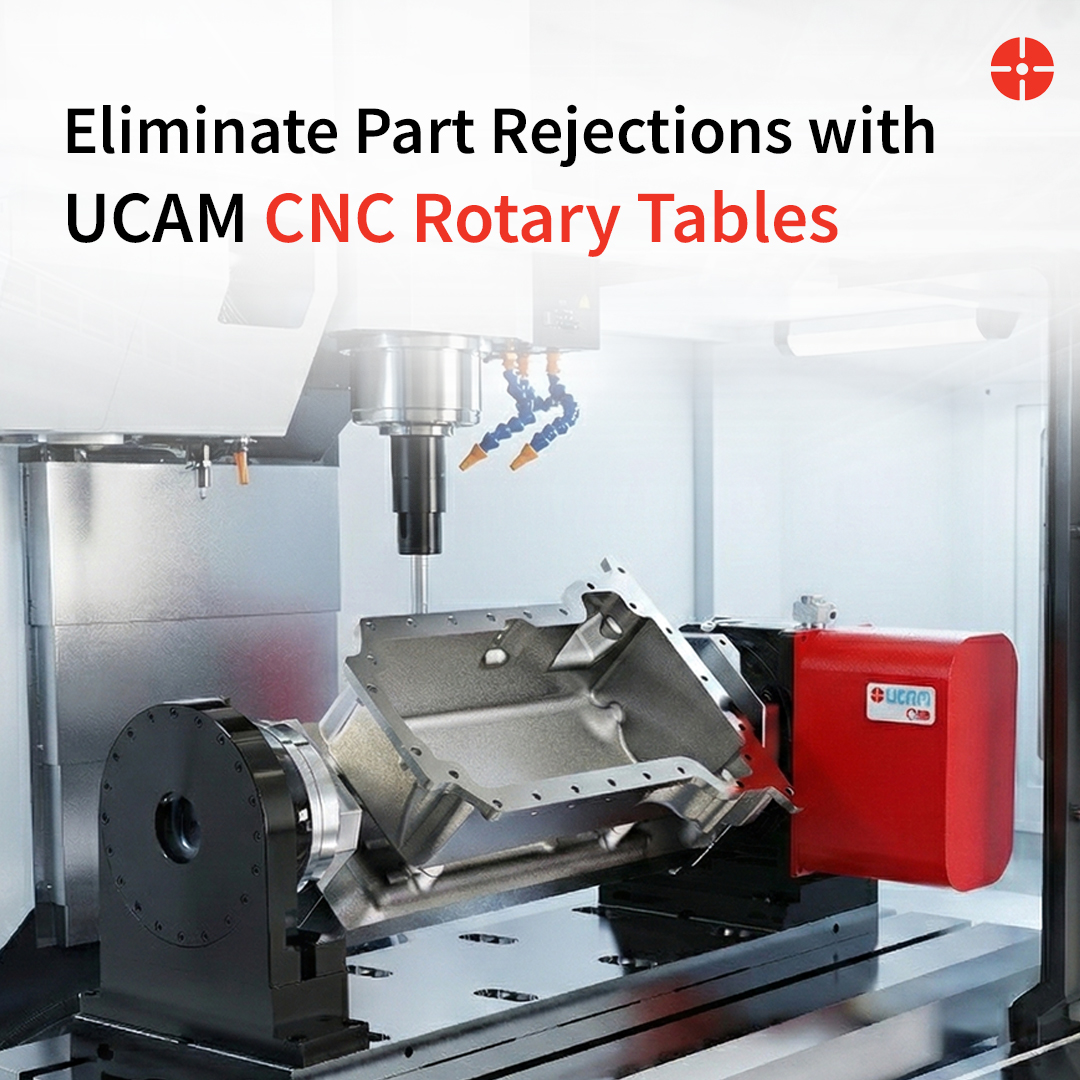
1685Minor inaccuracies in complex, multi-sided machining can lead to catastrophic scrap rates. While often attributed to linear axes or tooling, the true driver of failed inspections is frequently angular error. By integrating a high-precision CNC Rotary Table into your vertical machining center, you can effectively neutralize these deviations, guarantee feature alignment, and significantly lower your part rejection numbers.
The Hidden Causes of Angular Errors
Angular errors in milling generally stem from two main sources: manual handling and mechanical deficiencies.
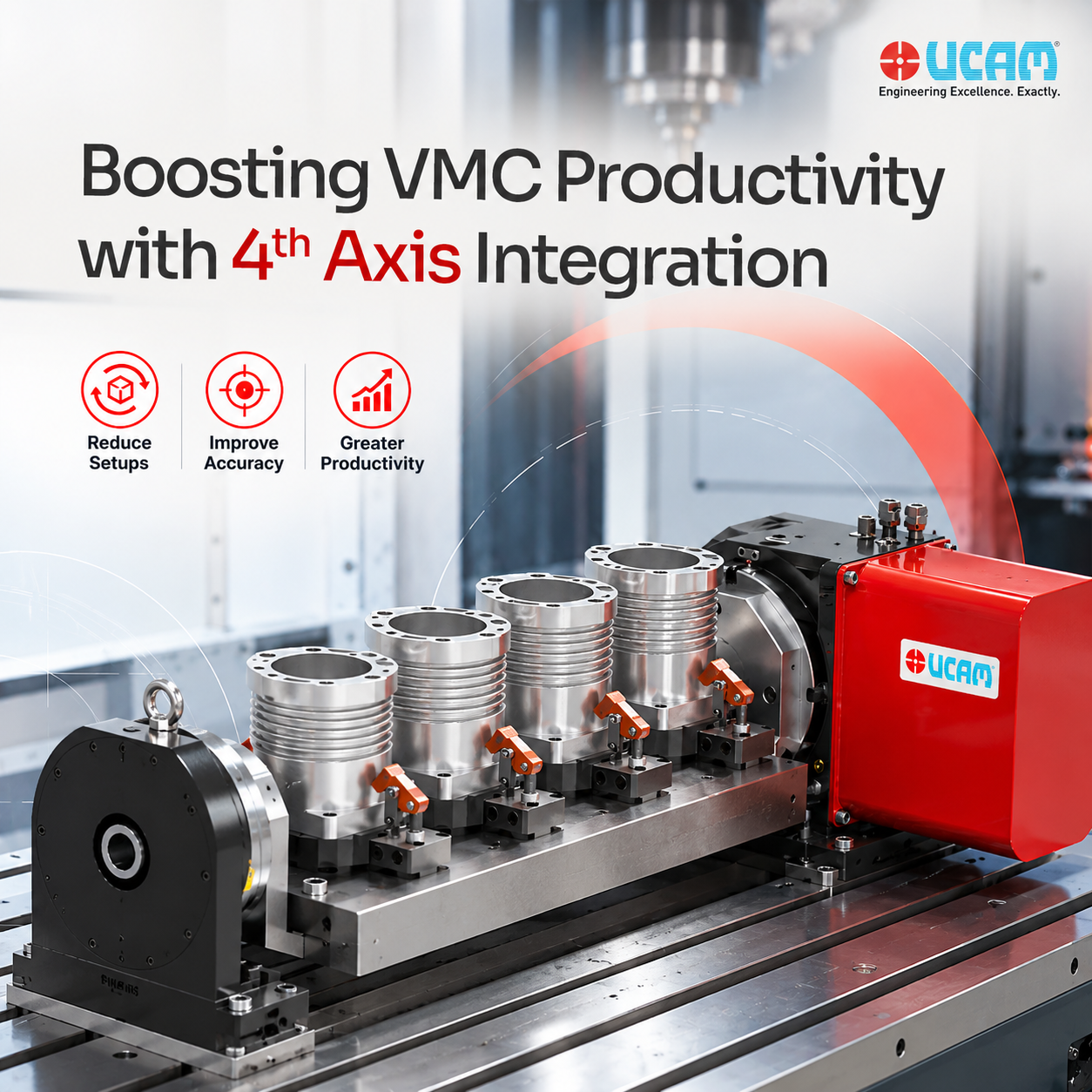
When operating a standard 3-axis machine, cutting multiple sides of a part requires an operator to manually unclamp, flip, indicate, and re-fixture the workpiece. Every time this happens, a microscopic alignment error is introduced. Over the course of three or four manual setups, these minute deviations compound, resulting in an angular error that puts the part completely out of tolerance.
Alternatively, mechanical clearance often leads to angular deviations in facilities utilizing outdated or basic rotary tables caused by mechanical clearance. As internal gears naturally wear down, “play” or backlash occurs between the driving and driven mechanisms. When the table reverses direction during a machining cycle, the spindle loses its exact positioning, leading to faceted surface finishes and misaligned intersecting features.
The Impact on Part Rejection and Accuracy
Within the sphere of precision engineering, geometric tolerances demand absolute, uncompromising accuracy. Due to the principles of trigonometry, an angular error of just a fraction of a degree near the center of rotation translates into severe linear deviations by the time the cutting tool reaches the outer edge of a large workpiece. This ruins critical geometric tolerances such as perpendicularity, parallelism, and concentricity. The ultimate result? Parts fail CMM (Coordinate Measuring Machine) inspections, leading to costly material scrap, wasted spindle time, and severely delayed deliveries.
The Solution: Zero Backlash and Absolute Repeatability
To stop angular errors at the source, your work holding must deliver sub-micron repeatability. This requires investing in a zero backlash Rotary table. By completely eliminating the mechanical clearance between the drive mechanisms, the rotary axis can make constant micro-reversals without ever losing its exact position. Pairing this tight mechanical fit with high-resolution absolute rotary encoders ensures that the CNC controller always verifies the exact physical angle of the platter, delivering flawless repeatability on every single part.
Comparing Drive Mechanics: Worm Gear vs. Direct Drive
Achieving absolute precision depends on selecting the right internal drive mechanism for your specific machining application:
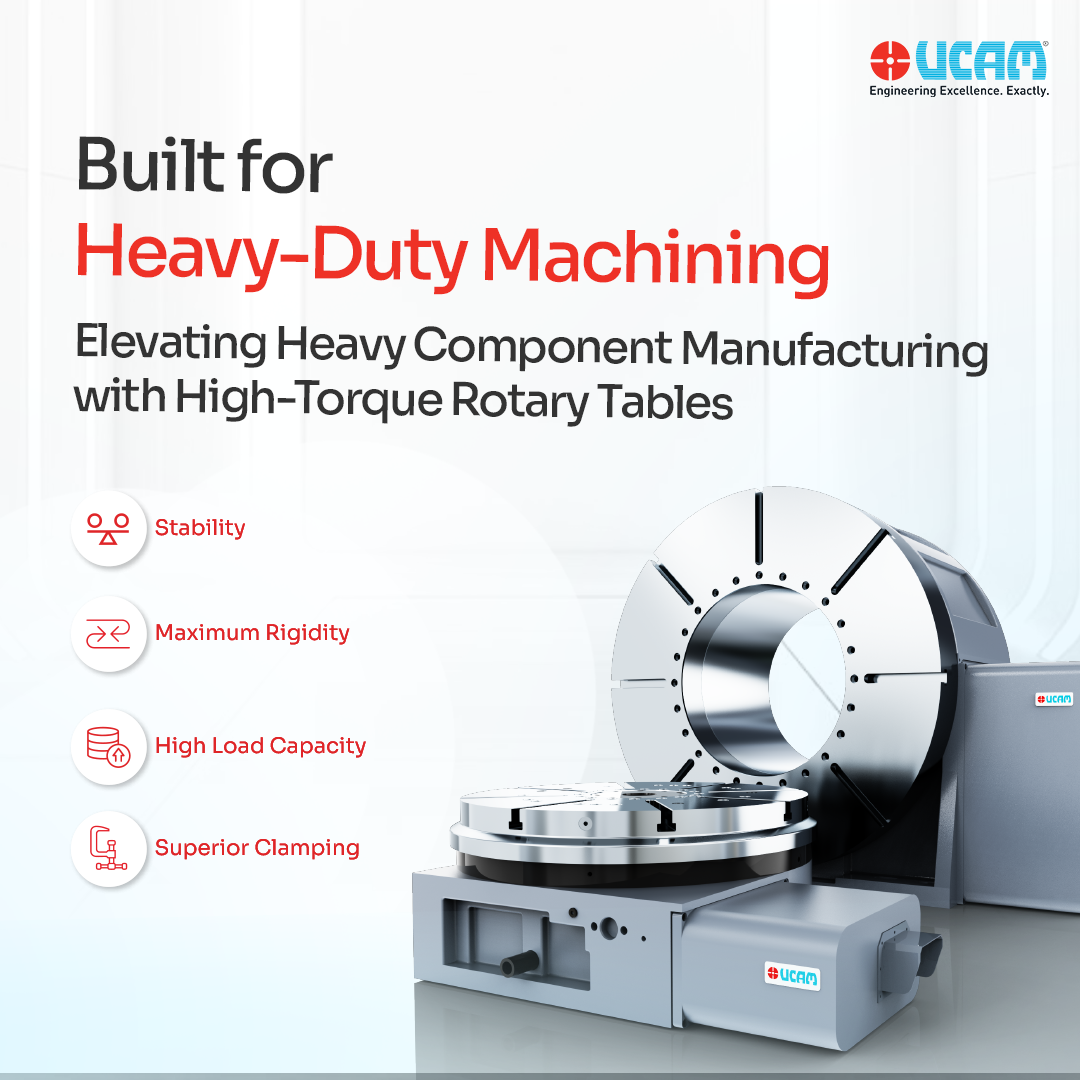
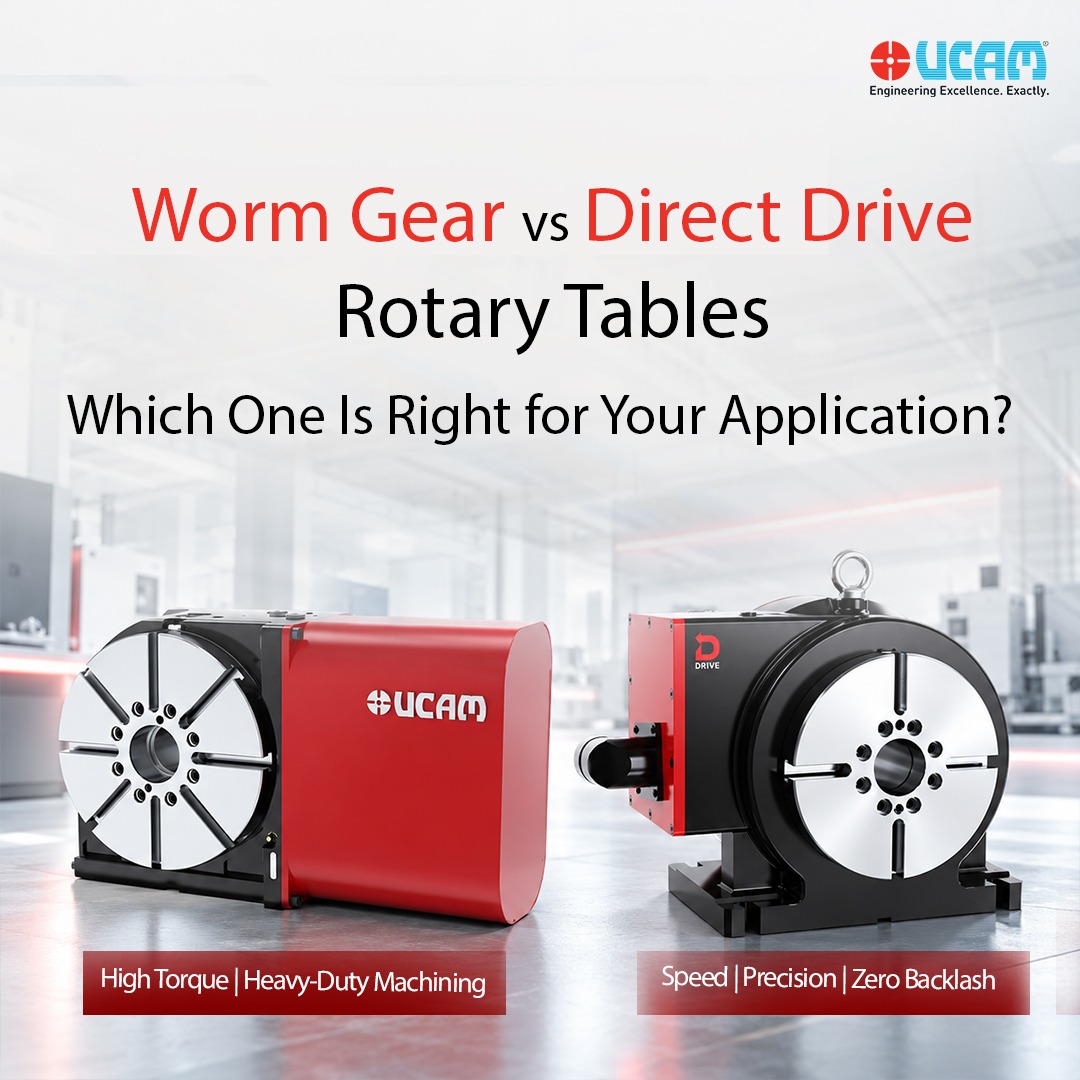
- Dual-Lead Worm Gears: Standard worm gears inevitably develop backlash over time. However, advanced tables utilize a dual-lead worm gear system where the gear thread gradually thickens from one end to the other. Maintenance engineers can simply adjust the worm shaft axially, pushing the thicker thread deeper into the mating gear to physically close the wear gap. This easily restores factory-level zero-backlash precision while providing massive mechanical torque for heavy-duty cutting.
- Direct Drive Technology: For applications requiring ultra-high-speed indexing or rapid simultaneous motion, a Direct Drive Rotary Table completely eliminates the gear system. By utilizing a high-torque motor directly coupled to the rotary axis, these tables offer zero mechanical backlash, lightning-fast positioning, and exceptional dynamic response, making them ideal for complex 5-axis surfacing on lighter materials.
Precision-Focused Industrial Applications
In sectors where the margin for error is non-existent, utilizing a high precision CNC Rotary table becomes an essential requirement to prevent critical component failure:
- Aerospace: Machining turbine blades, impellers, and blisks requires constant, simultaneous multi-axis motion. Any angular deviation will alter the geometry and destroy the aerodynamic flow path of the engine.
- Medical Devices: Orthopedic implants feature complex, organic curves that must be machined precisely to mate flawlessly with human anatomy.
- Oil & Gas: Machining deep, intersecting cross-holes on massive high-pressure pipeline valves requires perfect angular positioning to ensure the seals do not fail under extreme stress.
How UCAM Rotary Tables Improve Accuracy
UCAM engineers its CNC Rotary tables specifically to combat angular errors and mechanical deflection. Our systems integrate advanced technologies to lock in sub-micron precision for the long haul:
- Dual-Lead Worm Gear Technology: Allows for simple, lifetime adjustments to maintain a perfect, zero-backlash state without the need to replace expensive gear sets.
- High-Torque Hydraulic Clamping: When locked, 360-degree hydraulic sleeves prevent the workpiece from micro-vibrating under heavy, interrupted cutting forces, completely eliminating chatter.
- Pre-Loaded Axial Radial Roller Bearings: Provide exceptional rigidity and rotational accuracy, safely supporting massive radial and axial loads during aggressive milling.
- Direct Measurement Integration: Compatible with advanced rotary scales for true closed-loop precision positioning, bypassing any mechanical variables.
Conclusion
Do not let angular errors and manual fixturing redundancies ruin your profitability. By anchoring your machining center with a robust, high precision CNC Rotary table, you eliminate tolerance stack-up, eradicate mechanical backlash, and ensure every component meets the strictest quality standards. Ready to stop part rejections and elevate your shop’s capabilities? Explore our complete range of precision workholding solutions at UCAM CNC Rotary Tables.
FAQs
How does a CNC Rotary Table prevent tolerance stack-up?
By allowing the cutting tool to access multiple sides of a workpiece in a single setup, it completely eliminates the need for an operator to manually unclamp and re-fixture the part. This keeps the component locked to its original zero-point, preventing microscopic human alignment errors from compounding into a rejected part.
What makes a zero backlash rotary table different from a standard table?
A standard table has microscopic clearance between its internal gears, which causes positioning errors when the motor reverses direction. A zero backlash rotary table uses advanced mechanics—like a dual-lead worm gear or gearless direct drive motors—to physically eliminate this clearance, ensuring the table stops exactly where the CNC program commands every single time.
When should I choose a direct drive rotary table over a worm gear model?
You should choose a direct drive rotary table if your production requires ultra-fast indexing speeds, high acceleration, or smooth, continuous simultaneous 5-axis motion on lighter materials like aluminum. If you are taking heavy, interrupted cuts on tough materials like steel, cast iron, or titanium, a dual-lead worm gear system offers the superior mechanical torque and holding power required.


 ucam_marketing