
 29 May 2026
 2269
2269In modern manufacturing, profitability is directly tied to machine spindle uptime. For machine shops utilizing standard 3-axis VMCs, the greatest barrier to maximizing throughput is the manual intervention required to reposition a workpiece. Every time a machine stops so an operator can unclamp, flip, and re-fixture a part, valuable cycle time is lost, and microscopic alignment errors are introduced.
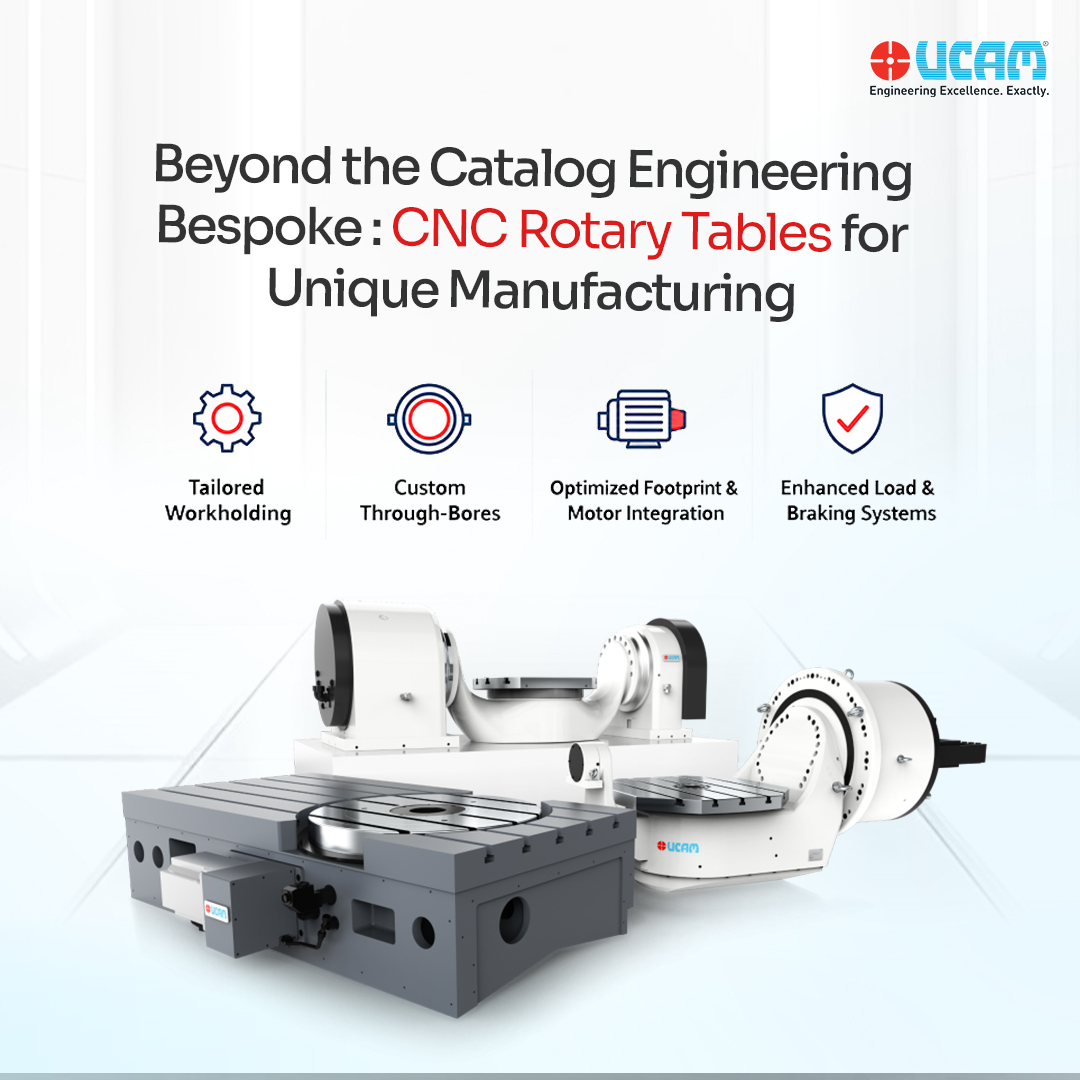
To break this bottleneck and rapidly scale production, forward-thinking manufacturers are upgrading their equipment with 4th Axis CNC Rotary Tables. However, simply bolting a rotary axis to the machine table is not enough. Maximizing output requires engineering the optimal rotary setup tailored to your specific production demands.
The Power of the “Done-in-One” Strategy
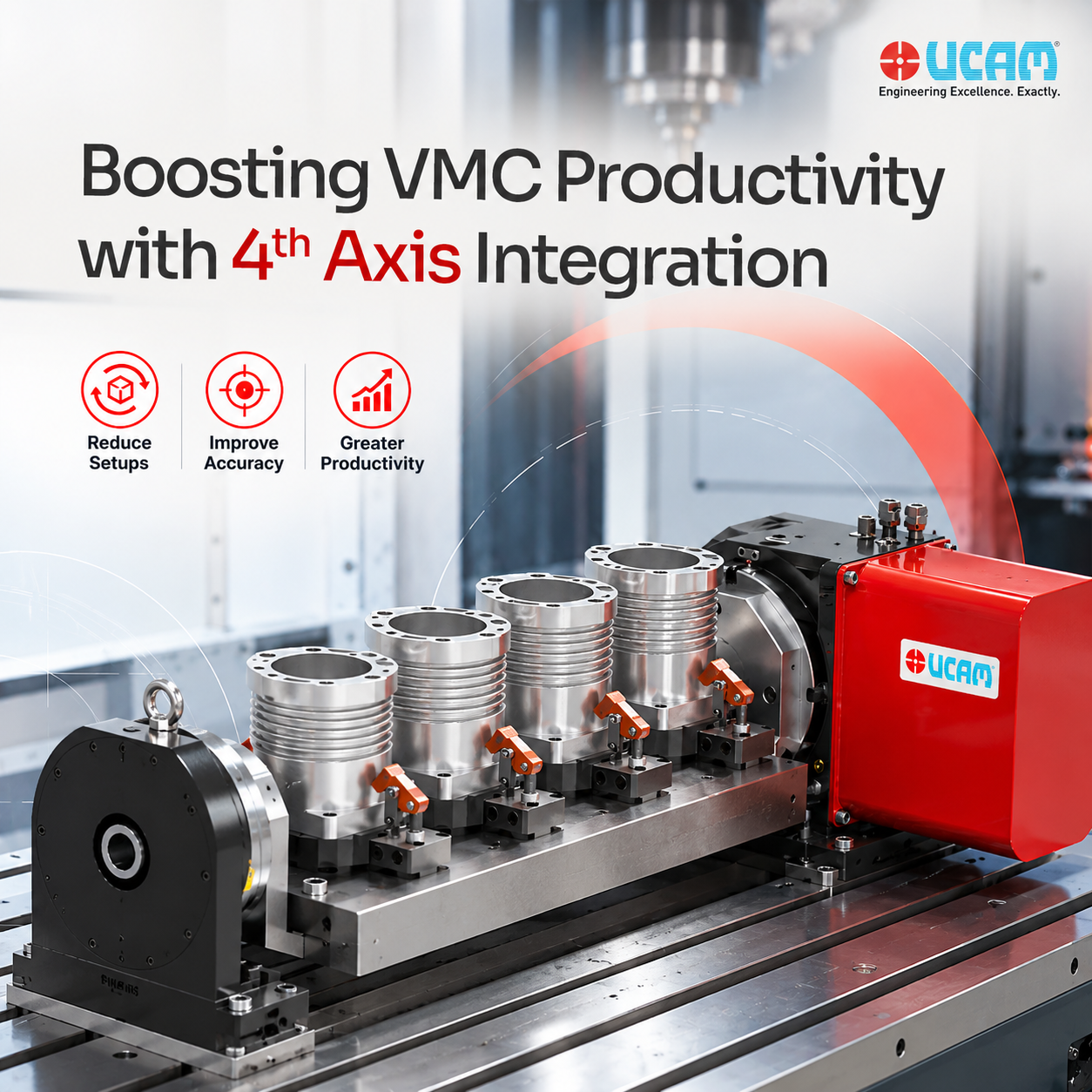
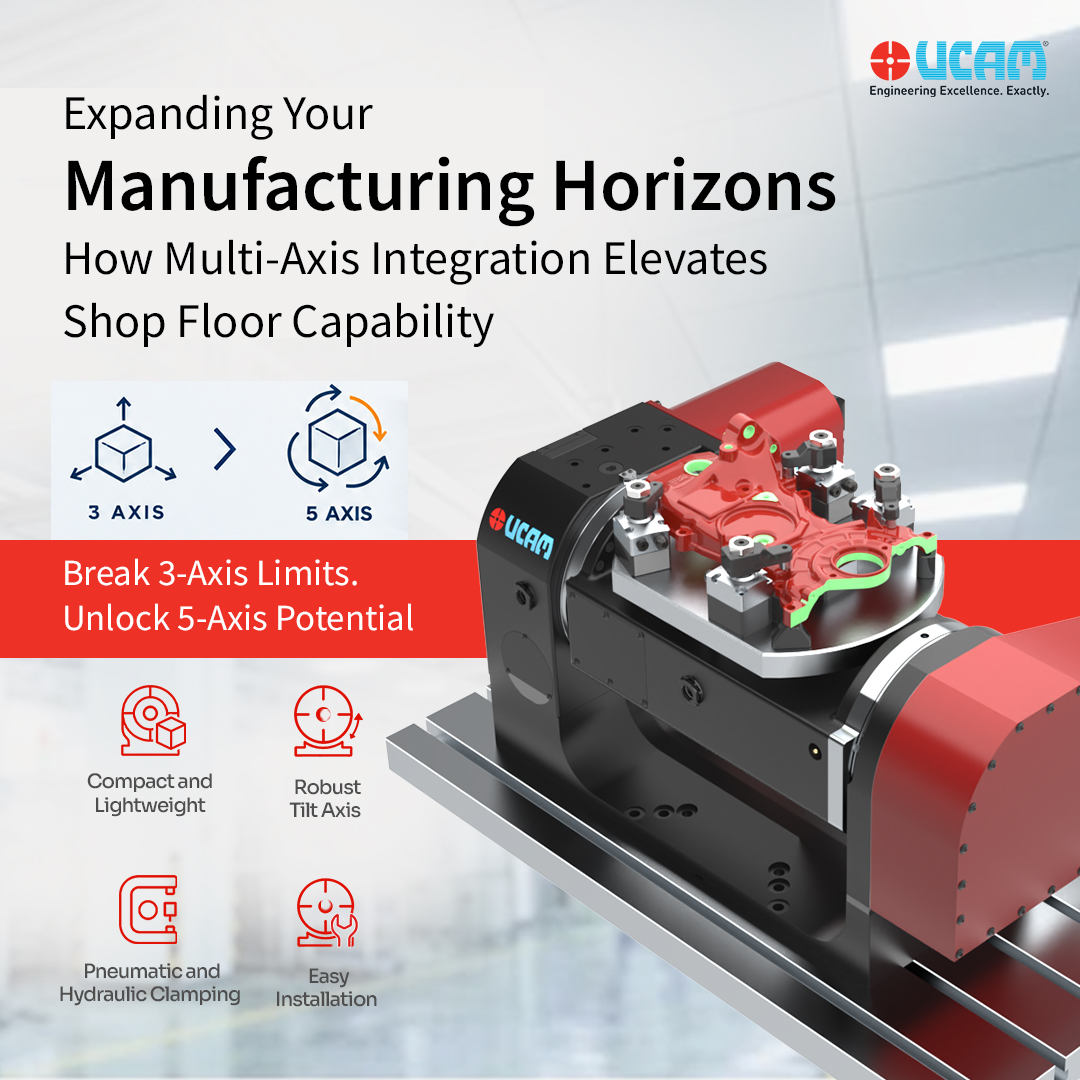
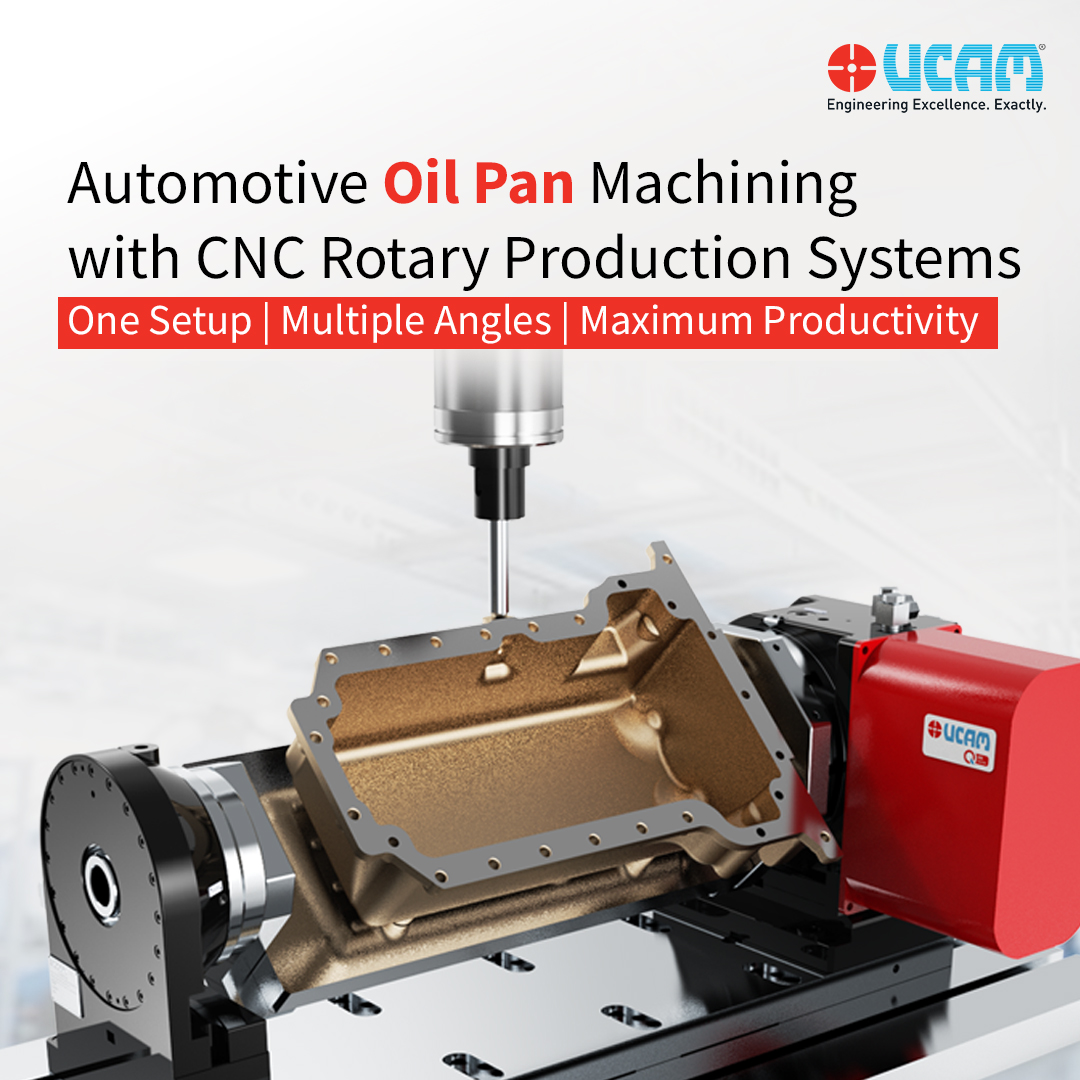
A 4th axis CNC Rotary Table adds a rotational dimension to a standard mill. By mechanically rotating the workpiece to precise angles under CNC control, the cutting tool gains access to multiple sides of the component in a single clamping.
This unlocks the highly coveted “done-in-one” machining strategy. By consolidating three or four separate setups into a single, automated operational cycle, manufacturers instantly slash non-productive downtime. Furthermore, keeping the part locked in its original zero-point entirely eliminates the tolerance stack-up errors associated with manual handling, significantly reducing scrap rates and parts rework.
Tailoring Your Rotary Setup for Maximum Throughput
Not all production runs are created equal. To truly maximize throughput, engineers must configure their rotary setup to match the specific geometry, material, and volume of the components being machined.
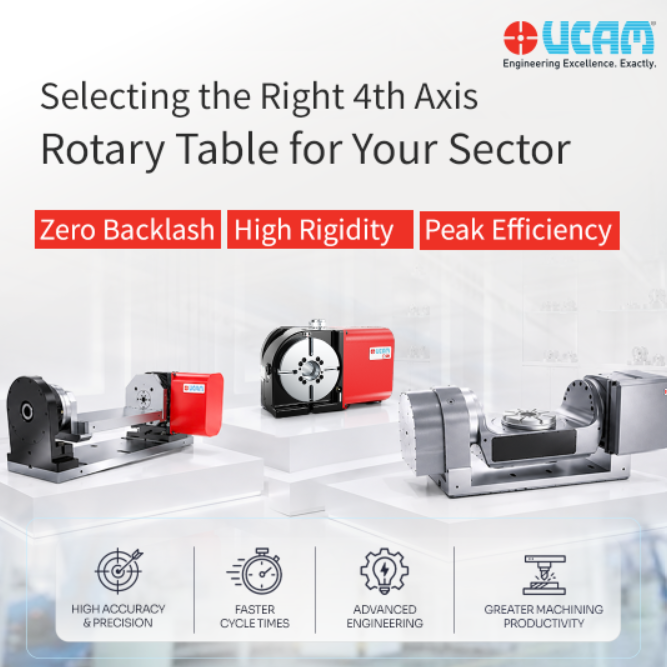
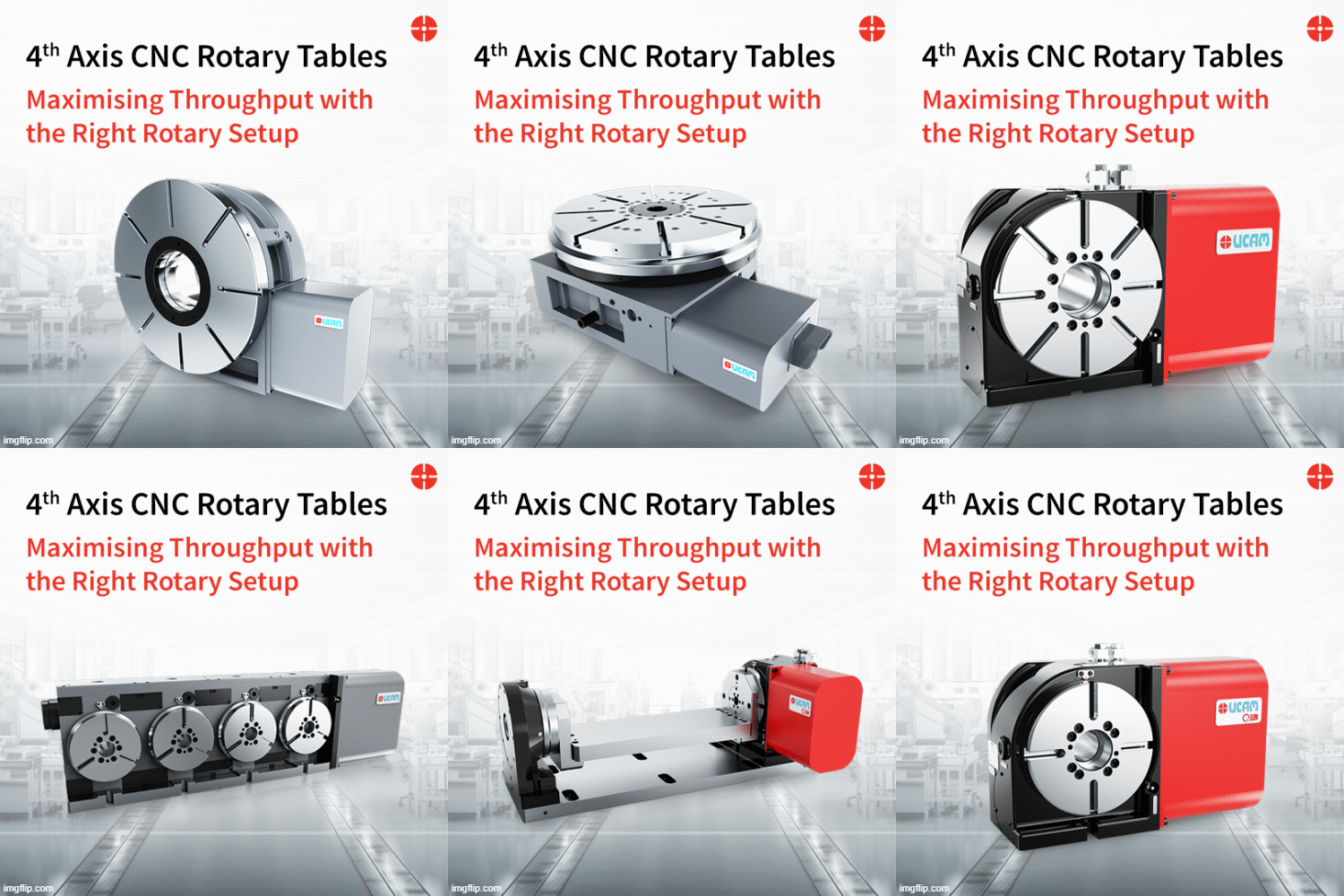
- High-Volume Mass Production: When tasked with producing thousands of identical small parts—such as automotive brackets or aerospace fasteners—a single-spindle table leaves potential output on the table. Upgrading to a Multi-Spindle Rotary Table allows a single machine to process two, three, or even four identical parts simultaneously. This configuration exponentially multiplies throughput without requiring an expanded factory footprint.
- High-Speed, Light-Duty Machining: For aluminum or non-ferrous components where aggressive cycle times are the primary goal, a Direct Drive Rotary Table is the ultimate solution. Utilizing gearless motor technology, these setups deliver ultra-fast, zero-backlash indexing, stripping precious seconds of non-cutting idle time from every cycle.
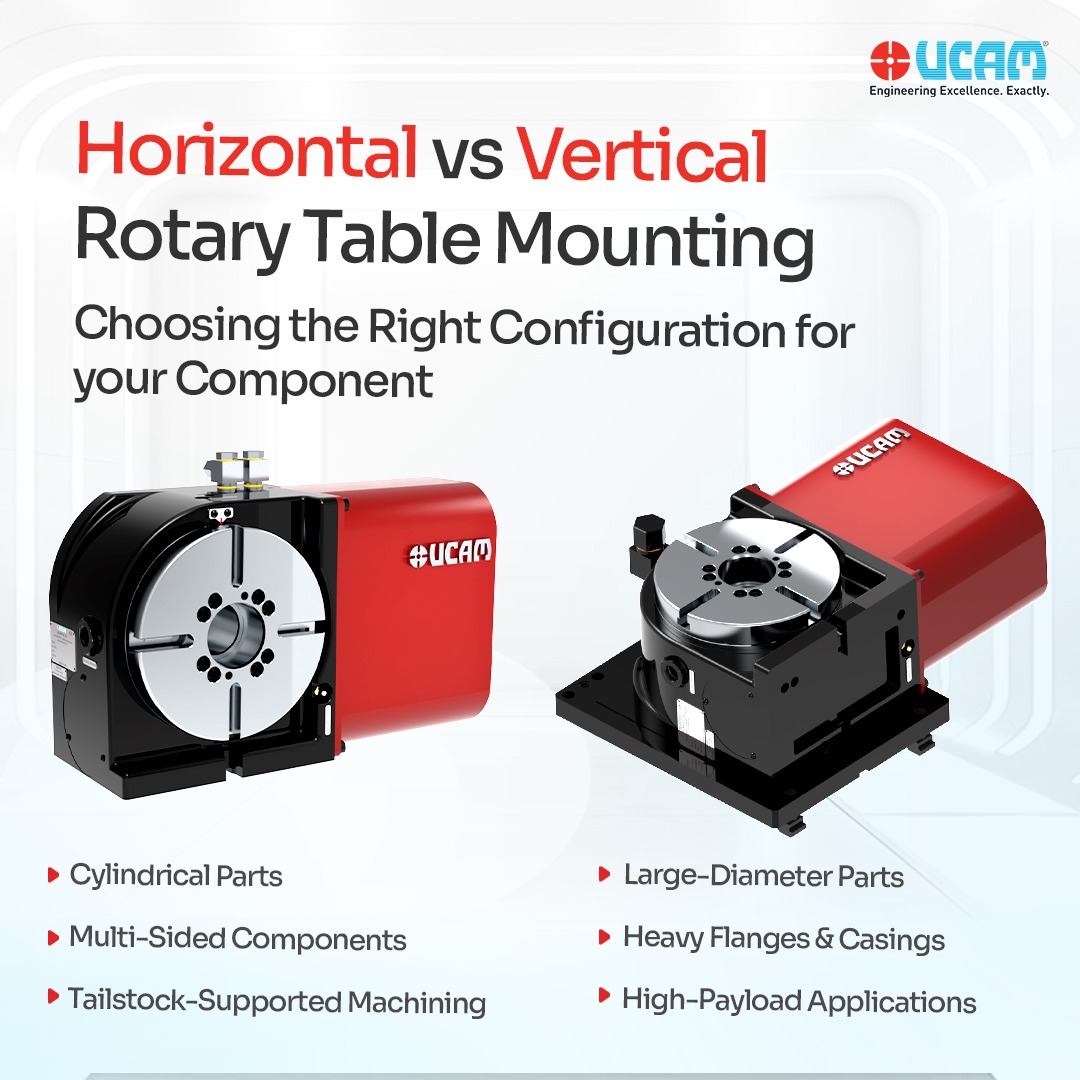
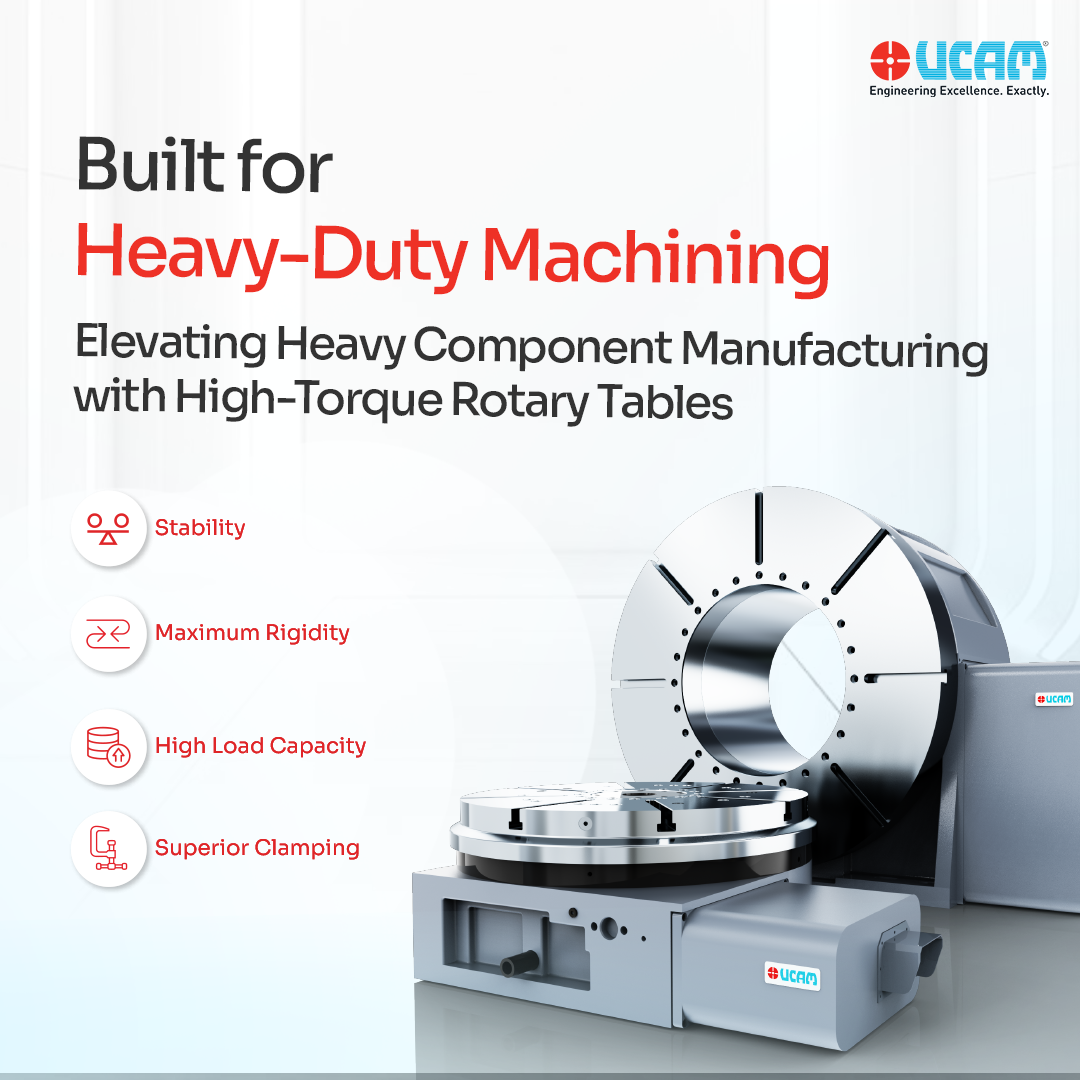
- Heavy-Duty & Long Components: When machining oversized shafts or heavy steel castings, the setup must prioritize extreme rigidity. Utilizing a standard rotary table paired with a heavy-duty tailstock or a trunnion fixture ensures the workpiece is fully supported. For exceptionally long tubular parts, integrating a Large Bore Rotary Table allows the component to pass directly through the table, minimizing overhang and maximizing cutting stability.
Pushing Feed Rates: The Importance of Rigidity
Throughput isn’t just about reducing setups; it’s also about how fast you can push your cutting tools while the spindle is turning. If a rotary setup lacks rigidity, the resulting vibration (chatter) forces the programmer to dial back feed rates and depths of cut to protect the tool and the surface finish.
To maximize material removal rates, the rotary table must be uncompromisingly rigid. Advanced 4th axis CNC rotary tables, like those engineered by UCAM, utilize Dual-Lead Worm Gear systems to maintain sub-micron, zero-backlash positioning. Furthermore, high-torque hydraulic clamping systems wrap 360 degrees around the rotary spindle. When locked, this hydraulic brake fuses the platter and housing into a solid block, allowing machinists to confidently push aggressive feed rates through tough materials like Inconel, Titanium, and hardened steel.
Conclusion
Standard multi-setup machining is a recognized bottleneck that drains profitability and restricts capacity. By integrating advanced 4th Axis CNC Rotary Tables and engineering the exact right rotary setup for your specific applications, you can eliminate manual handling, multiply simultaneous part production, and push your cutting tools to their absolute limits. If you are ready to drastically maximize your shop floor’s throughput, explore our complete range of productivity-enhancing solutions at UCAM.
FAQs
How does a 4th axis CNC Rotary Table maximize throughput?
It maximizes throughput by allowing the cutting tool to access multiple faces of a part in a single setup. This completely eliminates the machine downtime associated with an operator manually opening the doors, un-clamping, flipping, and re-fixturing the workpiece.
What is the best rotary setup for high-volume mass production?
For high-volume runs of smaller components, a multi-spindle rotary setup is the most effective choice. It allows one CNC machine to hold and machine several identical parts at exactly the same time, multiplying your daily output within the same cycle time.
Why is table rigidity important for cycle times?
If a rotary table flexes under heavy cutting forces, it causes tool chatter and poor surface finishes. To prevent this, operators have to slow down their feed rates. A highly rigid table with hydraulic clamping allows you to push your tools faster and take deeper cuts, safely accelerating your overall cycle times.



 ucam_marketing