
 24 April 2026
 2426
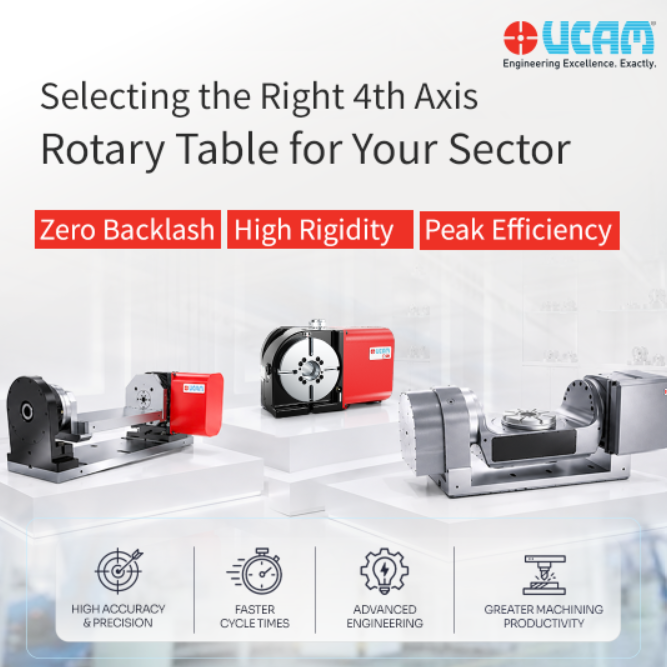
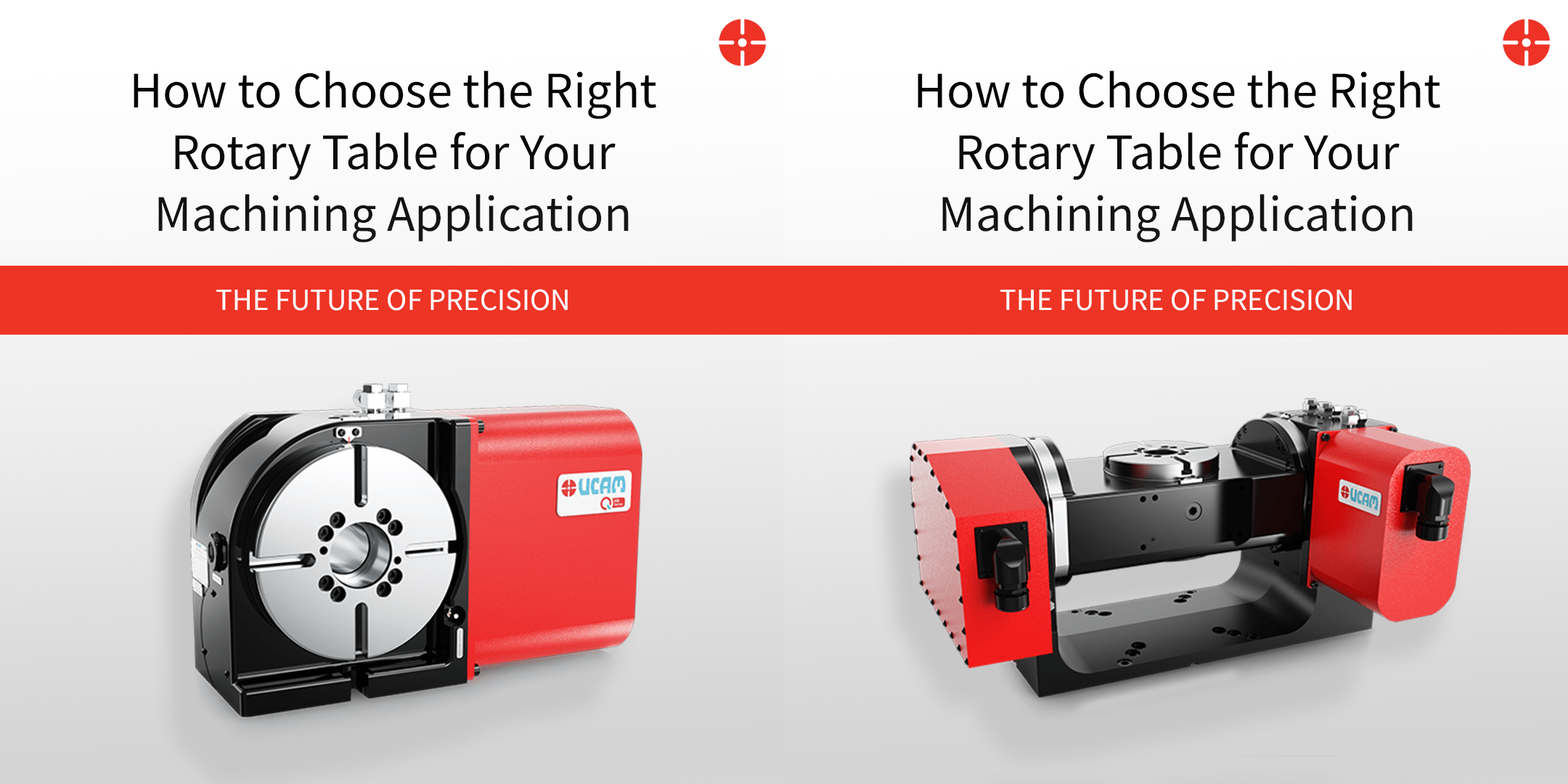
2426Selecting the right CNC Rotary Table is crucial to unlocking optimal performance in modern manufacturing. By transforming standard equipment into powerful multi-axis systems, the right table can drastically improve your productivity. However, making the best choice depends heavily on your specific application, production volume, and required precision levels.
Key Considerations for Selection
To ensure you select the perfect Rotary table for your machining application, carefully evaluate these core factors:
- Load Capacity and Table Size: The table must securely accommodate the physical footprint and maximum weight of your heaviest workpieces, including any necessary fixtures.
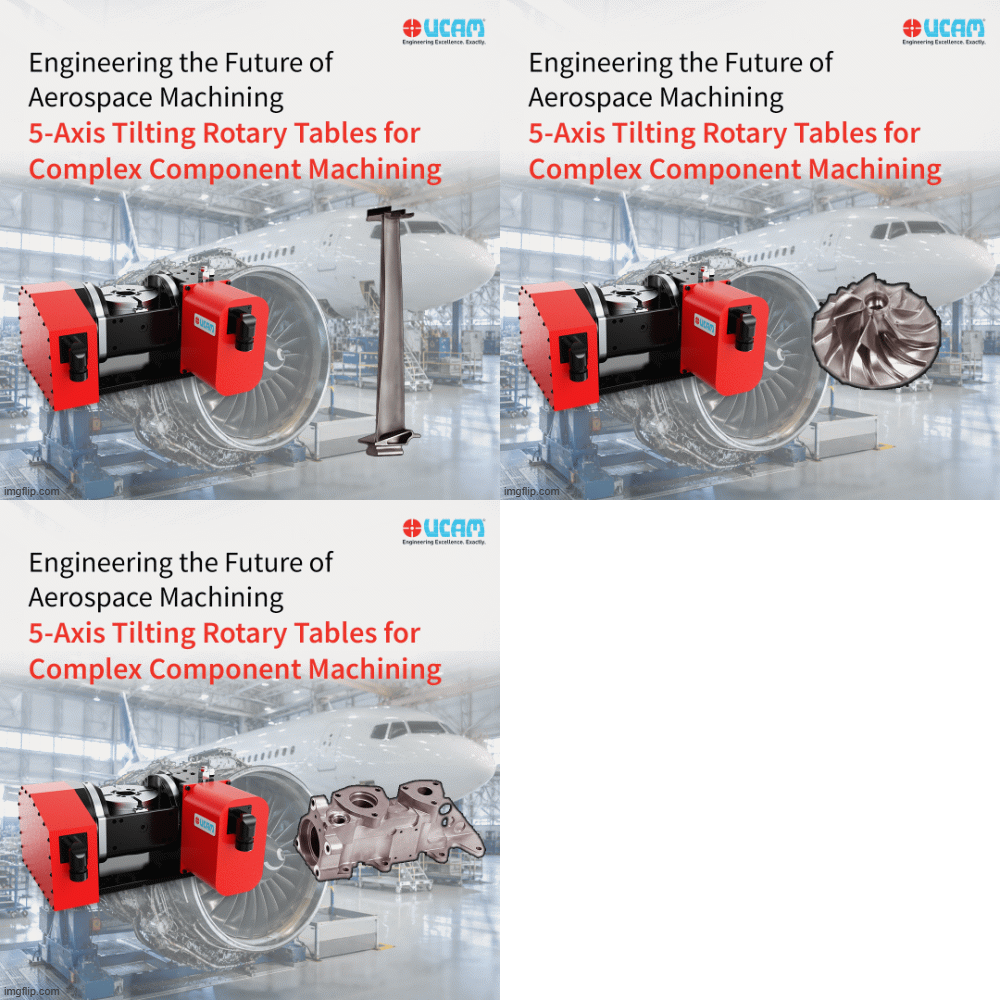
- Indexing Accuracy and Repeatability: For tight-tolerance aerospace or medical components, precision is non-negotiable. Ensure the table’s indexing accuracy and repeatability align perfectly with your most rigorous quality standards.
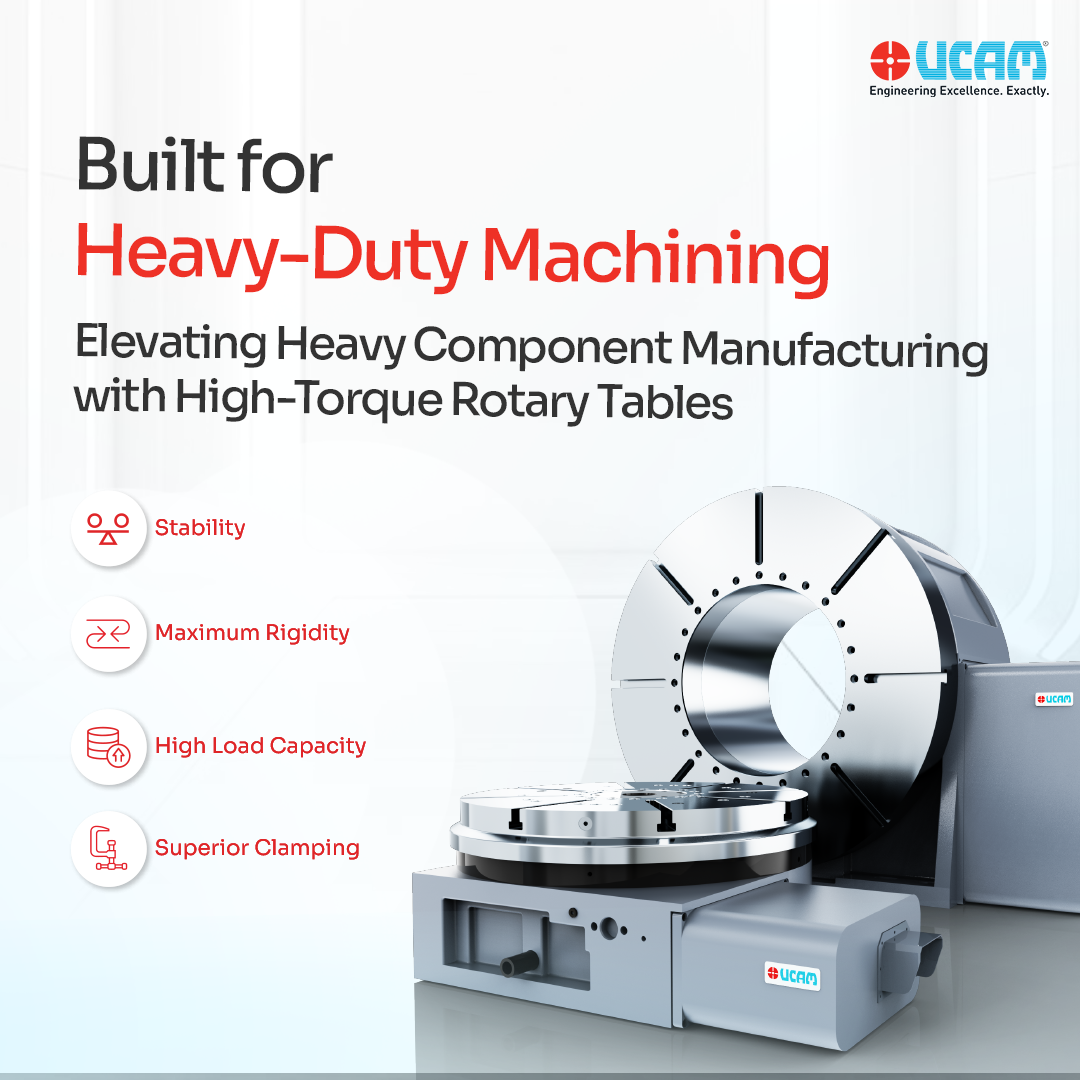
- Speed and Torque Requirements: High-volume production demands faster rotation speeds to minimize cycle times, while heavy milling requires high clamping torque to maintain absolute rigidity during aggressive cuts.
- CNC Machine Compatibility: The rotary table must integrate seamlessly with your existing CNC controller, amplifier, and machine bed architecture to ensure smooth communication and operation.
- Type of Drive System: You must evaluate whether a traditional worm gear system is sufficient for your general needs, or if your application demands an advanced Direct Drive Rotary Table for superior dynamic performance.
The Future of CNC Rotary Tables
As manufacturing continues to evolve toward Industry 4.0, CNC Rotary Tables are advancing rapidly to meet next-generation demands. Key trends shaping the industry include:
- Direct Drive Technology: There is a significant shift toward direct drive rotary tables, which offer much higher speeds and zero backlash for flawless surface finishes.
- Smart Sensors and IoT Integration: Modern tables are increasingly equipped with smart sensors, enabling real-time data collection, performance monitoring, and predictive maintenance.
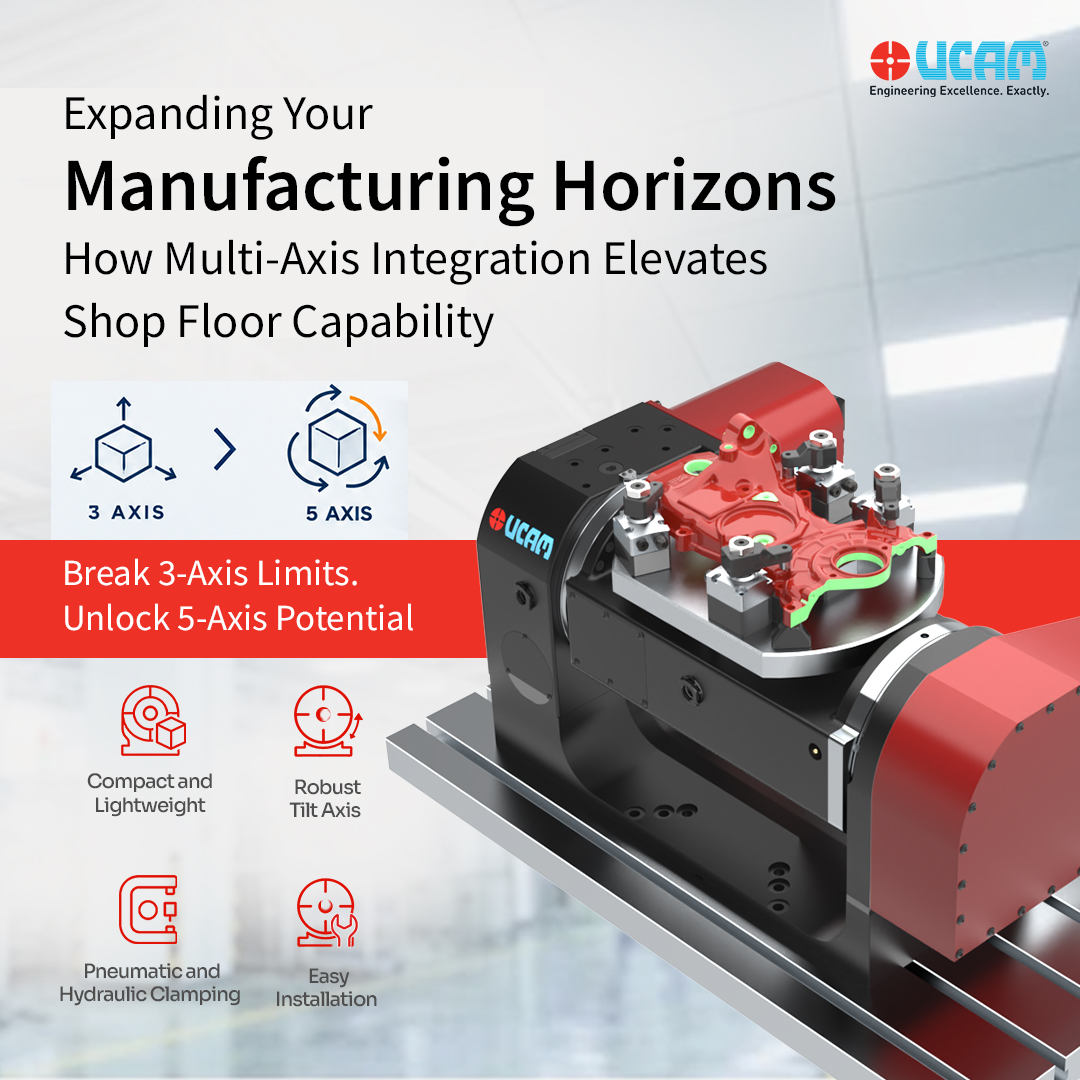
- 5-Axis Machining Adoption: There is a growing reliance on tilting rotary tables to easily upgrade standard centers into full 5-axis machining environments.
Investing in the right CNC Rotary Table is a strategic decision. By matching these key criteria to your specific operational needs, you ensure your facility remains competitive, efficient, and future-ready.
FAQs
What is a CNC Rotary Table and why is it essential for multi-axis machining?
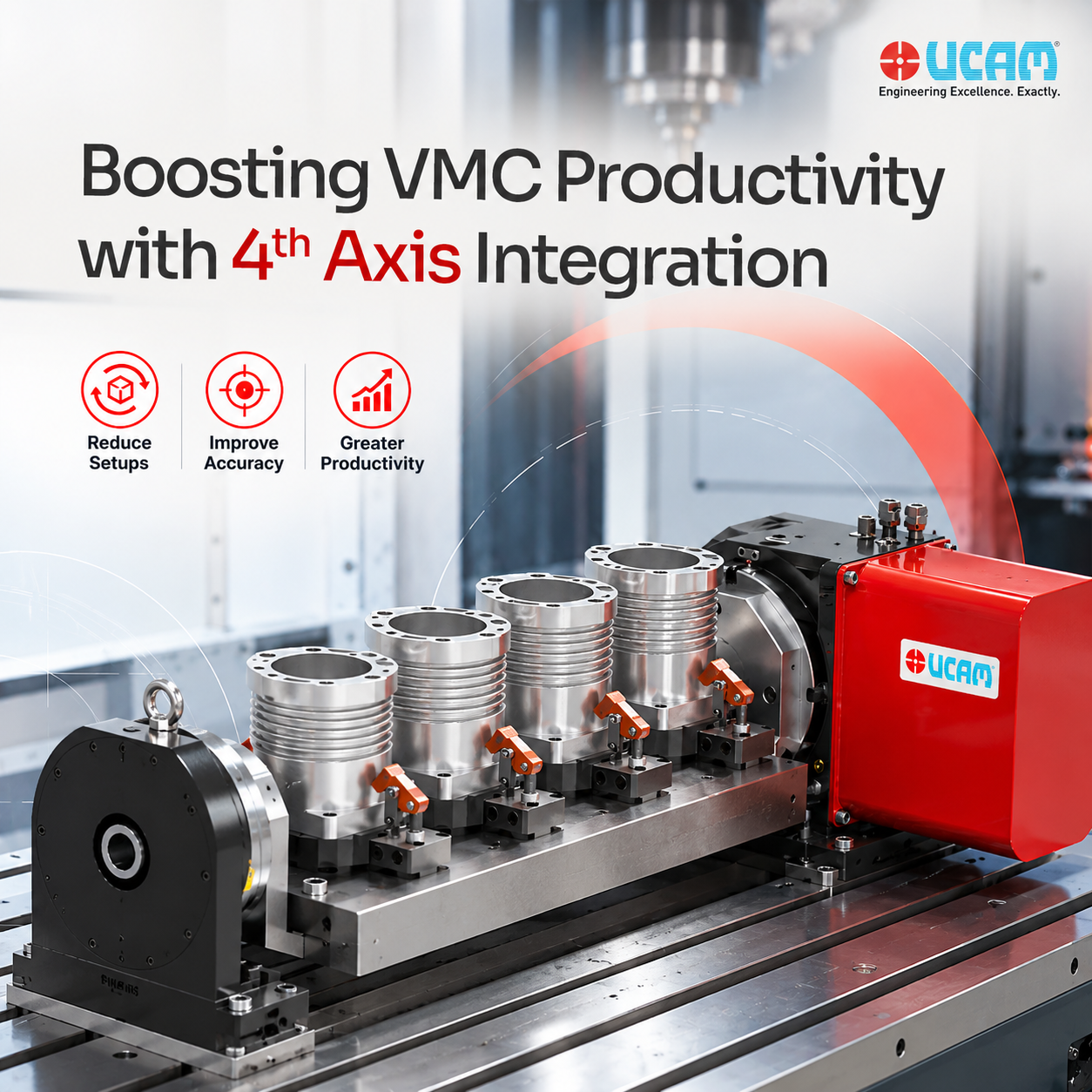
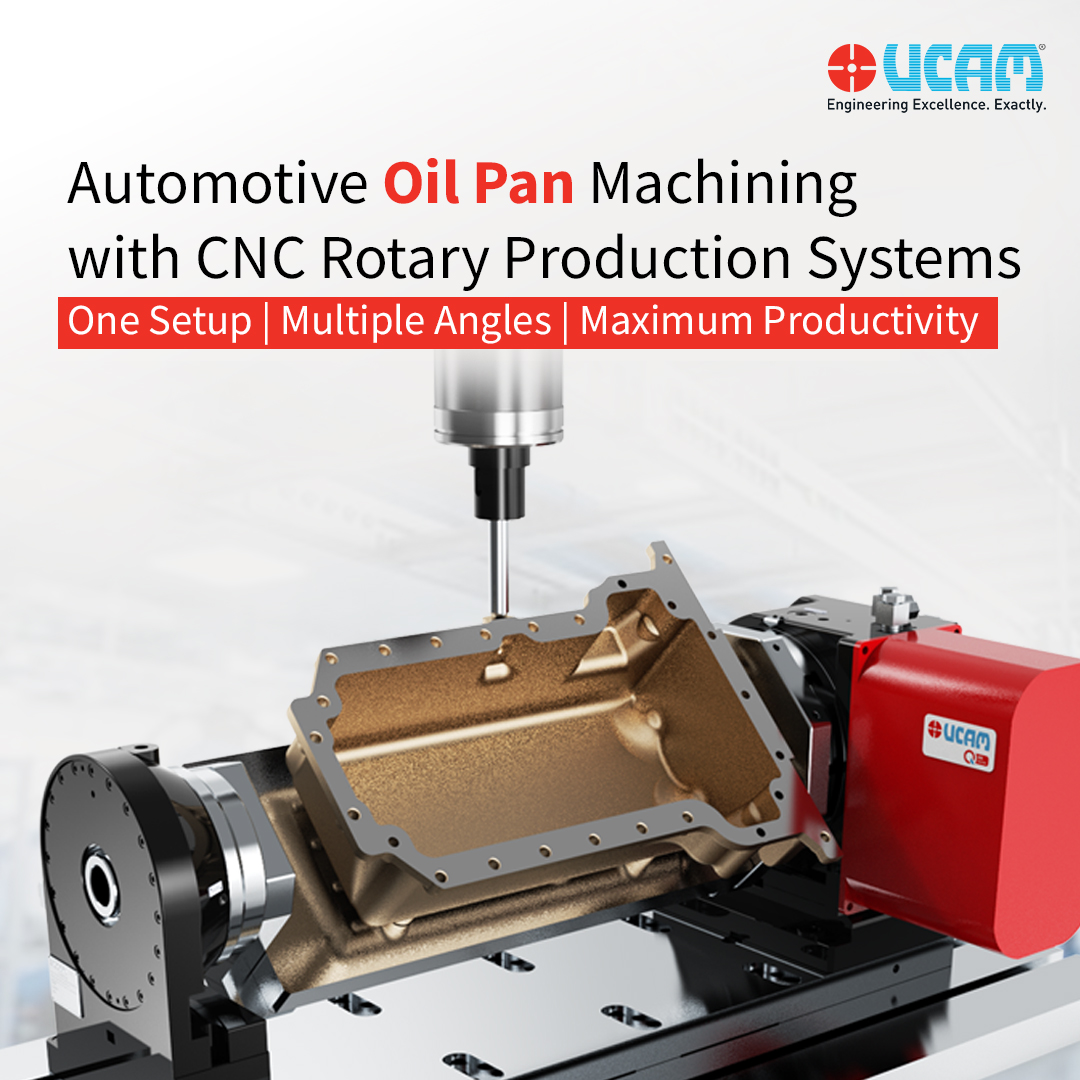
A CNC rotary table adds rotational axes to a standard milling machine. It is essential because it allows the cutting tool to machine multiple faces of a part in a single setup, eliminating manual re-fixturing and unlocking complex 4th and 5-axis capabilities.
How do CNC Rotary Tables improve positioning accuracy?
They use high-resolution encoders and ultra-precise drive mechanisms to index parts with extreme exactness. By keeping the workpiece securely clamped in one setup, they completely eliminate the alignment errors caused by manually flipping a part.
Can CNC Rotary Tables be integrated into automated manufacturing setups?
Yes. Because they eliminate the need for manual part repositioning mid-cycle, they integrate seamlessly with robotic loaders and automatic pallet changers (APCs), enabling continuous, “lights-out” manufacturing.



 ucam_marketing