
 30 September 2026
 119
119In today’s accelerated manufacturing environment, industrial facilities face continuous pressure to increase output, tighten tolerances, and adapt to increasingly complex part geometries. For growing machine shops, tier-one suppliers, and export-focused manufacturers across global markets, expanding production capacity is a frequent priority. The initial response to rising demand often involves expanding factory footprints or acquiring additional multi-axis machines.
However, maximizing output does not always require capital-intensive equipment overhauls. Many shop floors already possess significant cutting capability within their existing Vertical Machining Centers (VMCs). The primary operational bottleneck is rarely spindle power itself, but rather the efficiency with which workpieces are manipulated across multiple operations.
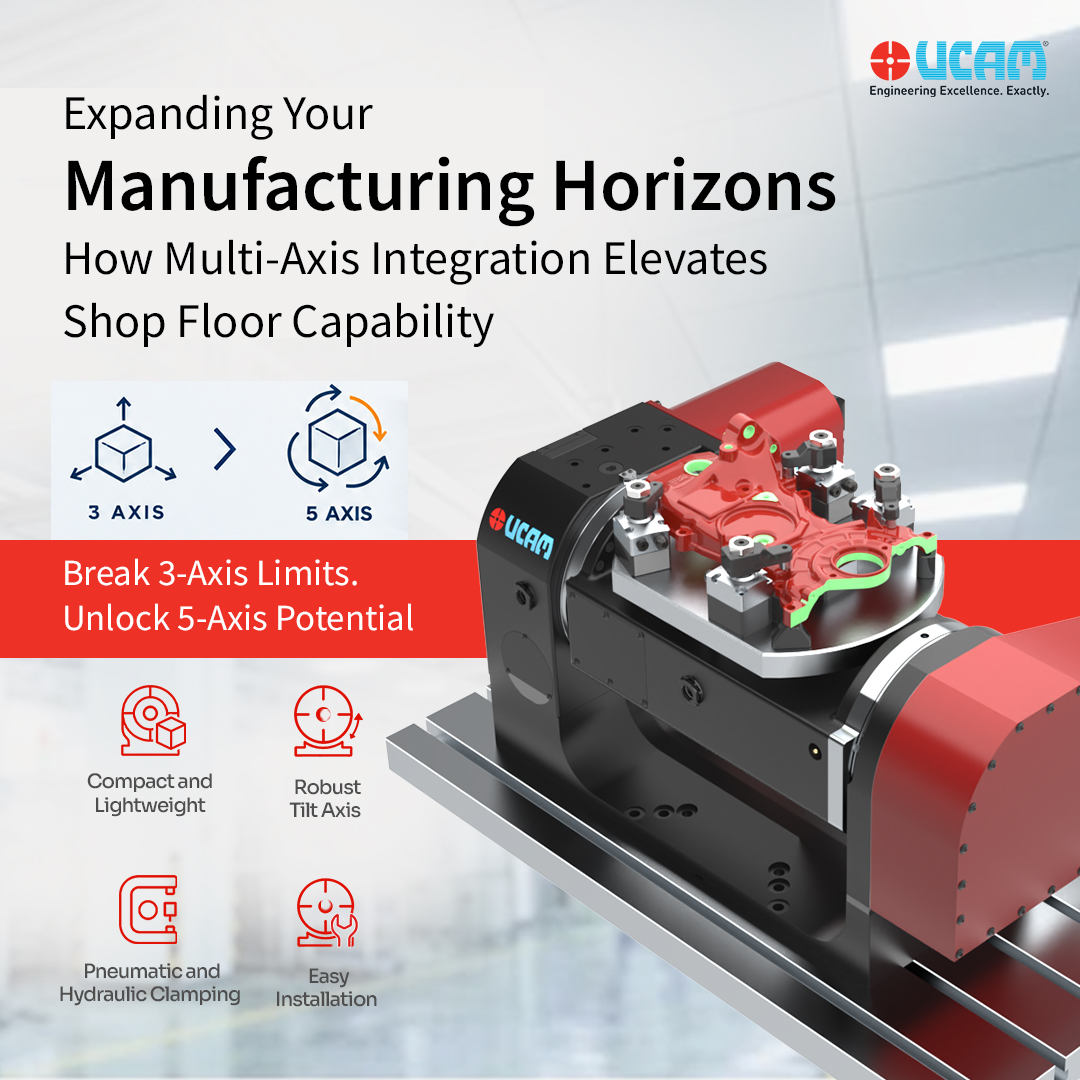
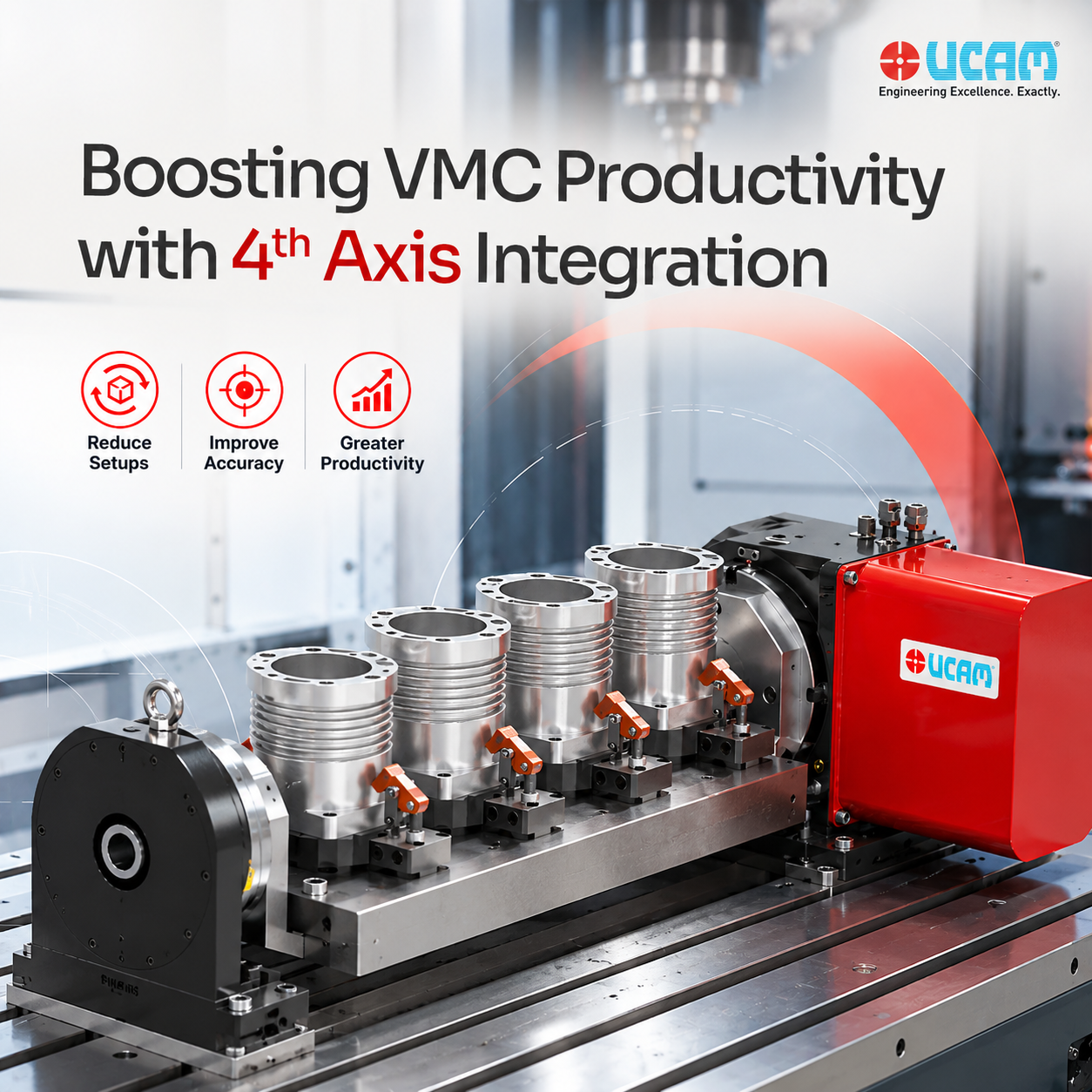
Integrating a 4th axis CNC Rotary Table into an existing 3-axis VMC converts standard 3-axis motion into a 4-axis synchronized setup. This integration expands machine versatility, optimizes asset utilization, and significantly improves overall shop floor throughput.
The Operational Limits of a Standard VMC
A standard 3-axis VMC operates along linear X, Y, and Z axes, making it highly efficient for single-sided planar machining. However, when component designs require angled features, radial hole patterns, or multi-sided machining—such as hydraulic manifolds, drive shafts, and aerospace mounting brackets—3-axis configurations require repeated manual intervention.
Because the tool spindle can only approach the workpiece from a single orientation, operators must manually re-fixture the part to access secondary and tertiary faces. This introduces several key inefficiencies:
- Cycle Interruption: Frequent stopping of the machining program to unclamp parts.
- Manual Cleaning and Realignment: Deburring, blowing off chips, and manually aligning new reference surfaces.
- Work Offset Resetting: Setting zero-points and recalibrating coordinates for each setup.
- Reduced Spindle Utilization: High proportion of non-cutting time relative to active machining hours.
Beyond non-cutting time, manual re-clamping introduces variability. Cumulative positioning errors across multiple setups lead to “tolerance stack-up,” increasing rework rates and risk of scrapped parts.
The Kinematics of 4th Axis Rotary Integration
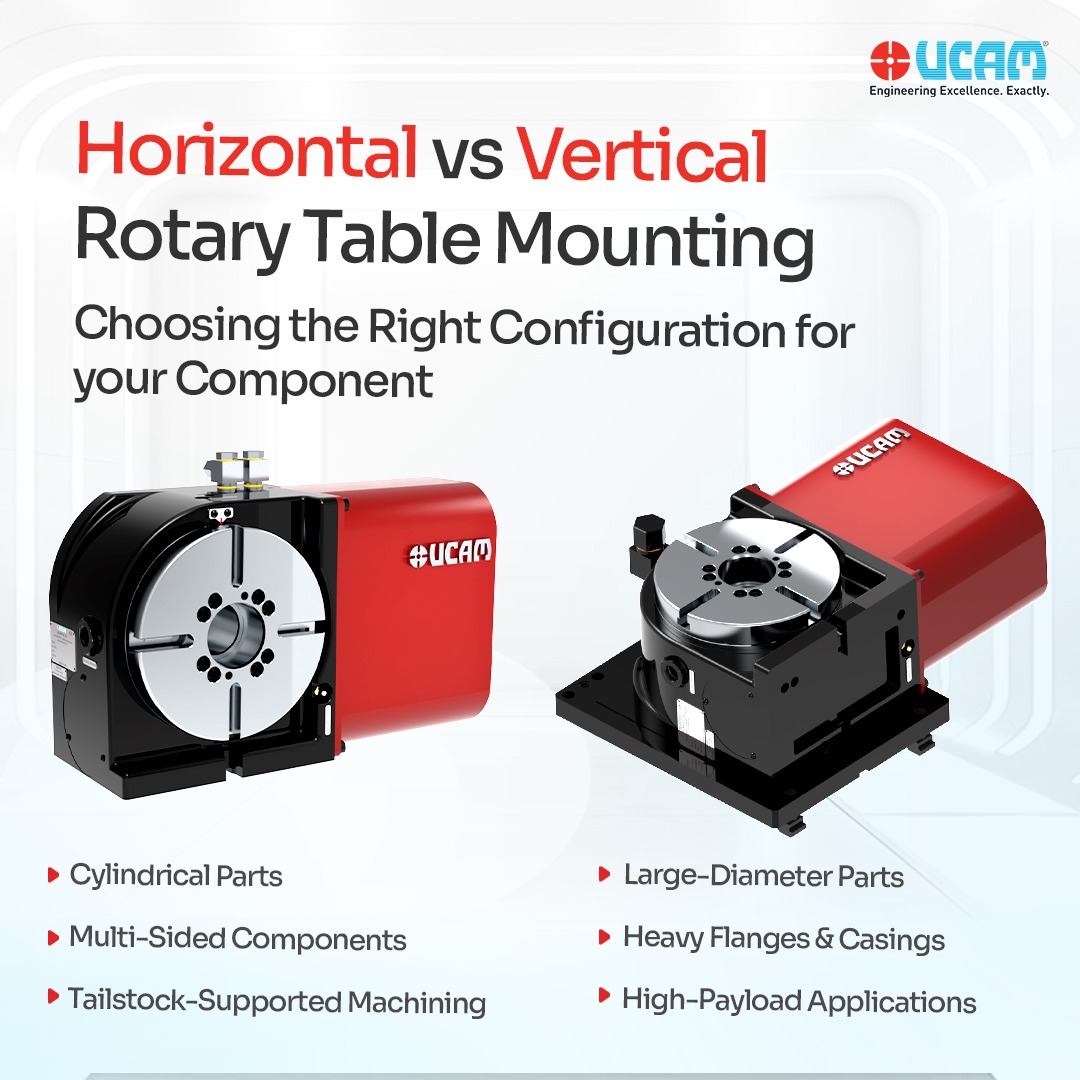
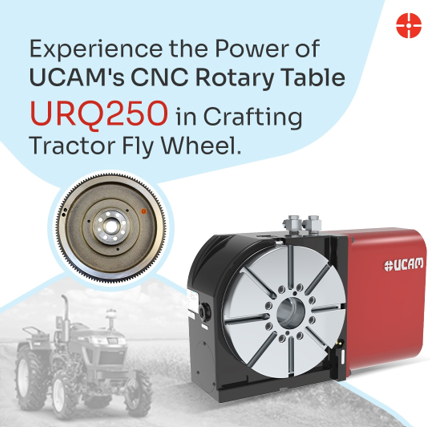
A 4th axis Rotary Table adds a rotational axis—typically designated as the A-axis (rotating around the X-axis) or B-axis (rotating around the Y-axis)—to the VMC standard linear axes. Driven by servo motors and integrated into the machine’s CNC controller, the rotary unit enables continuous rotation or precise positional indexing.
With automated rotary control, workpieces are indexed programmatically to exact angular positions, allowing cutting tools multi-angle access in a single clamping. This functional upgrade provides three primary technical advantages:
1. Implementing Single-Setup (“Done-in-One”) Operations
By automating workpiece orientation, multiple features across various surfaces are machined in a single continuous cycle. Reducing four separate fixture setups into one automated process eliminates setup delays, minimizes operator handling, and maximizes active spindle runtime.
2. Enhancing Geometric Precision and Concentricity
Maintaining a component in a unified workholding reference throughout machining removes errors associated with manual re-clamping. CNC-controlled indexing ensures high angular accuracy and precise geometric positioning across all features, meeting stringent quality parameters for precision engineering components.
3. Expanding Machining Capabilities
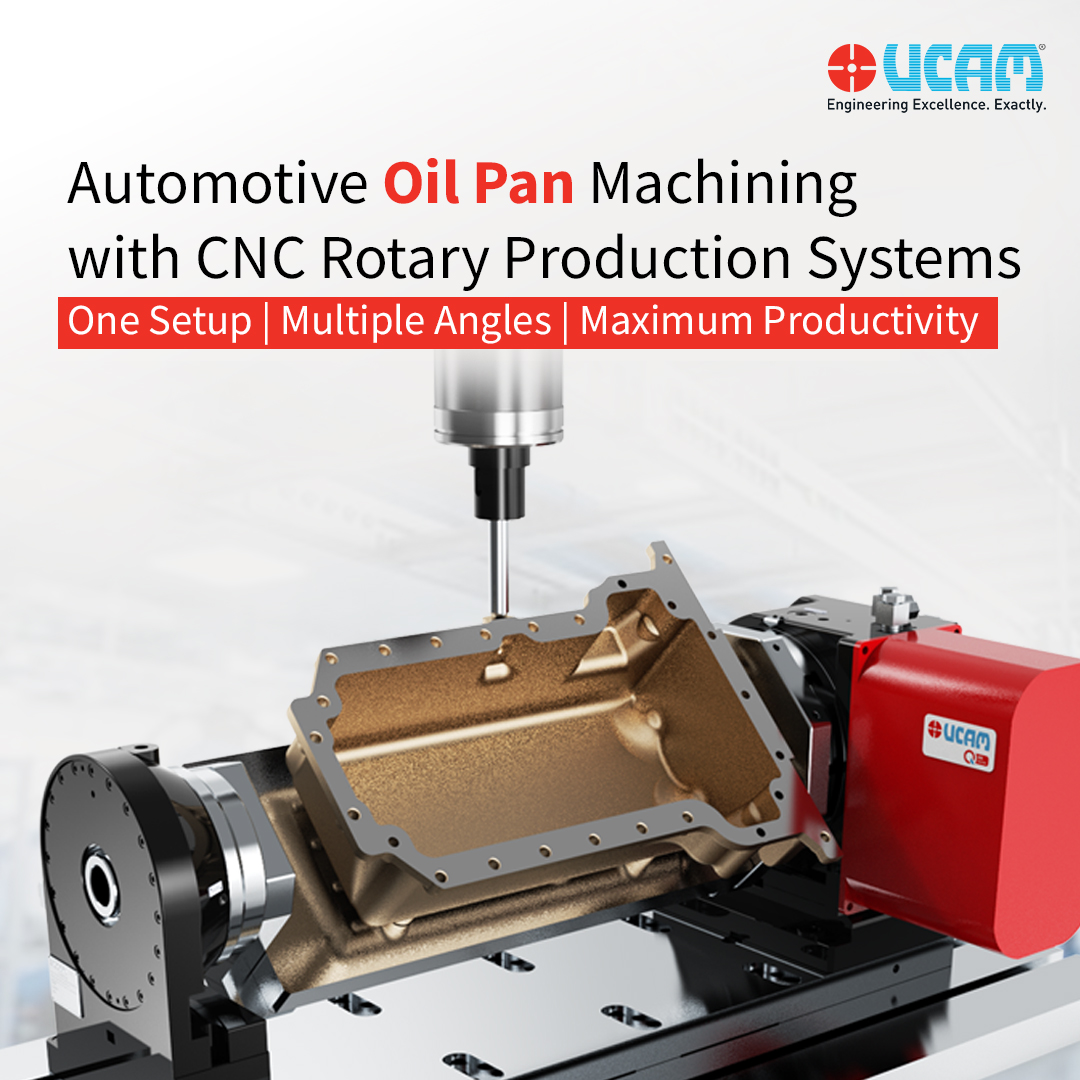
4th axis integration allows VMCs to execute continuous helical milling, complex cylindrical profiles, and multi-part trunnion setups. Fixtures mounted on trunnion arms allow batch processing of multiple parts in a single cycle, boosting throughput without necessitating complete 5-axis machine investments.
Evaluating Technical and Capital Efficiency
From an asset optimization perspective, retrofitting existing VMCs with rotary tables provides multi-axis versatility at a fraction of the capital cost of new multi-axis machine tools. It optimizes floor space utilization, leverages existing tooling and controller infrastructure, and minimizes technical training overheads.
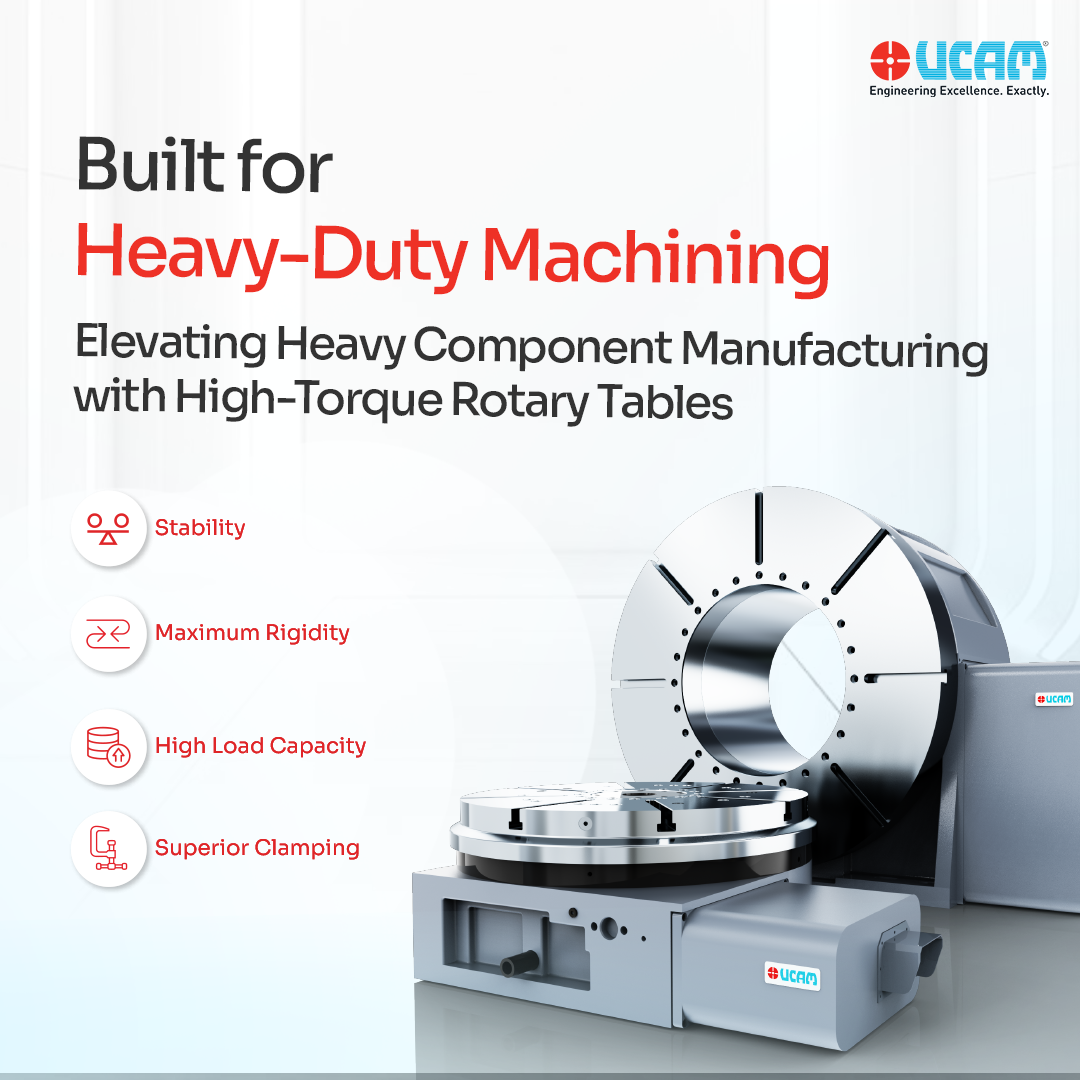
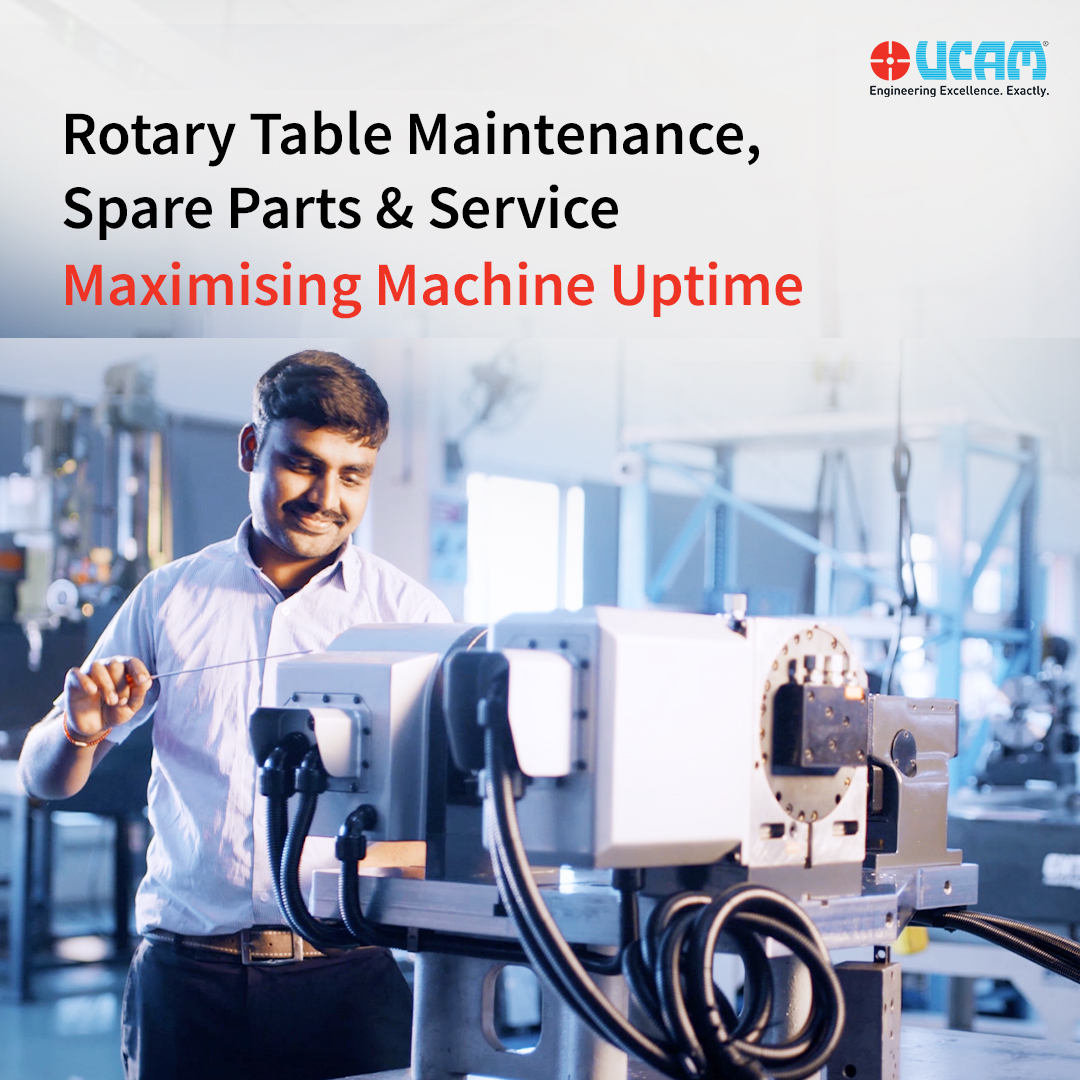
When selecting rotary integration solutions, mechanical rigidity, clamping torque, and gear accuracy are critical parameters. High-precision rotary tables engineered with rigid radial-axial bearings and high-holding-torque braking systems effectively withstand cutting forces during heavy milling operations, ensuring consistent accuracy over extended production cycles.
Conclusion
Optimizing shop floor productivity relies heavily on eliminating non-value-added setup times and maximizing spindle utilization. Integrating 4th axis CNC Rotary Tables onto standard VMCs provides machine shops with a practical, high-return pathway to achieve single-setup precision, expand machining capabilities, and scale overall factory output.
FAQs
Is my existing 3-axis VMC compatible with a UCAM 4th-axis rotary table?
Yes. Mechanically, the table mounts directly to your existing T-slots. Electrically, your machine simply needs a CNC controller capable of managing a 4th axis and space for a servo drive. UCAM tables are engineered with highly adaptable motor mountings to interface seamlessly with all major global controls (Fanuc, Siemens, Mitsubishi), ensuring fast, plug-and-play integration.
How does adding a trunnion fixture to a 4th axis increase my daily part output?
A trunnion setup spans the rotary table and a tailstock, allowing you to mount multiple components along a single tombstone. Instead of cutting one part at a time, the 4th axis automatically rotates the entire batch to expose new faces to the spindle. This maximizes continuous machine uptime and drastically accelerates high-volume order delivery.
Will elevating the part on a rotary table cause vibration during heavy milling?
No, provided you use an industrial-grade rotary system. UCAM 4th-axis tables act as an unyielding extension of your machine bed. Utilizing pre-loaded cross-roller bearings and high-torque braking systems, the table locks are absolutely solid after indexing. This provides the dynamic stiffness required to absorb aggressive roughing cuts without chatter or loss of precision.



 ucam_marketing