
 8 June 2026
 2187
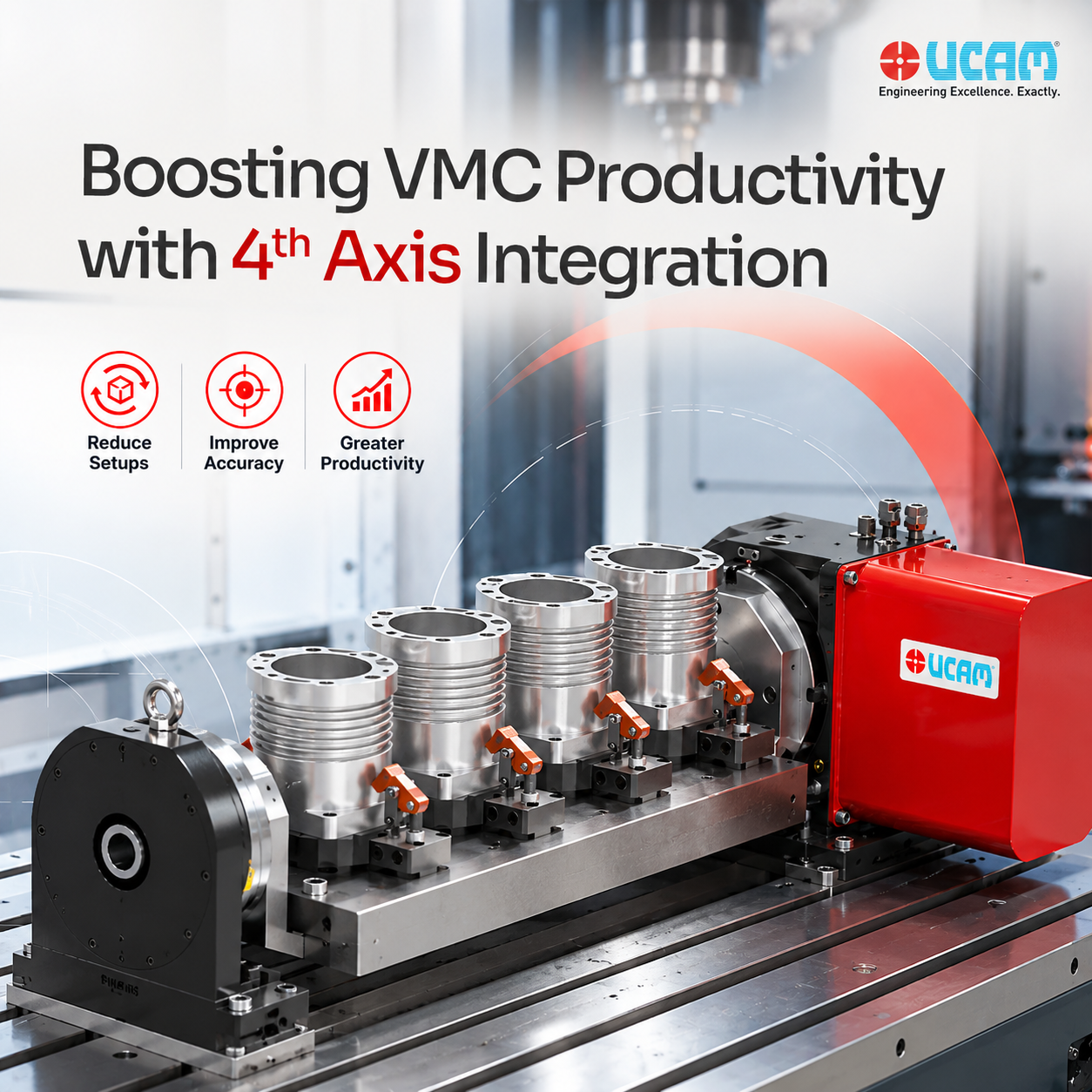
2187In the pursuit of manufacturing perfection, the evolution of workholding is just as critical as the machine tool itself. While a 4th axis setup significantly improves throughput for standard cylindrical or prismatic parts, certain complex geometries inevitably expose its physical limitations. To cross the threshold into true freeform, multi-sided machining, forward-thinking machine shops are upgrading their equipment with advanced 5th Axis Rotary Tables.
The Limits of 4th Axis Machining
A standard 4th axis adds a single rotational dimension—typically rotating around the X-axis (the A-axis). This setup is excellent for indexing a part to machine four distinct sides, effectively eliminating several manual setups. However, the cutting tool remains confined to that single plane of rotation.
If a component features compound angles, deep pockets on intersecting planes, or severe undercuts, 4th axis machining hits a hard geometric wall. When faced with these features, operators are forced back into the costly, error-prone cycle of designing custom angled fixtures and manually re-clamping the part, which reintroduces the risk of tolerance stack-up and ruined surface finishes.
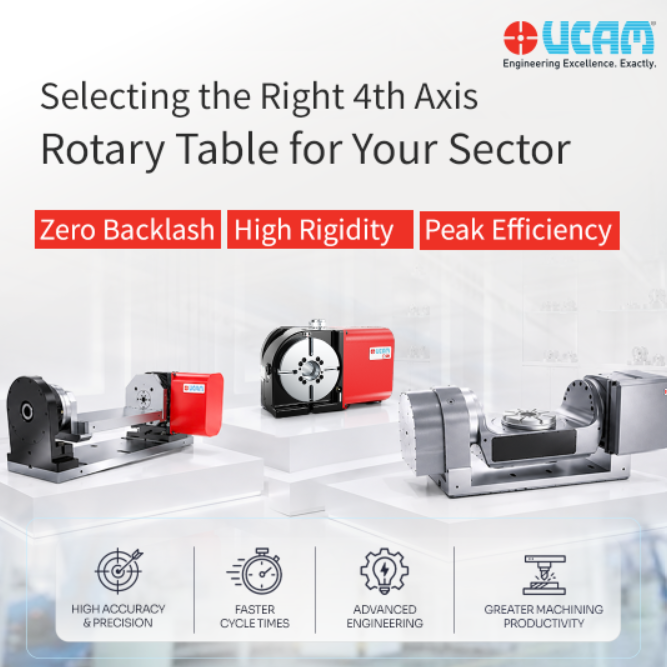
4th Axis vs. 5th Axis Capability
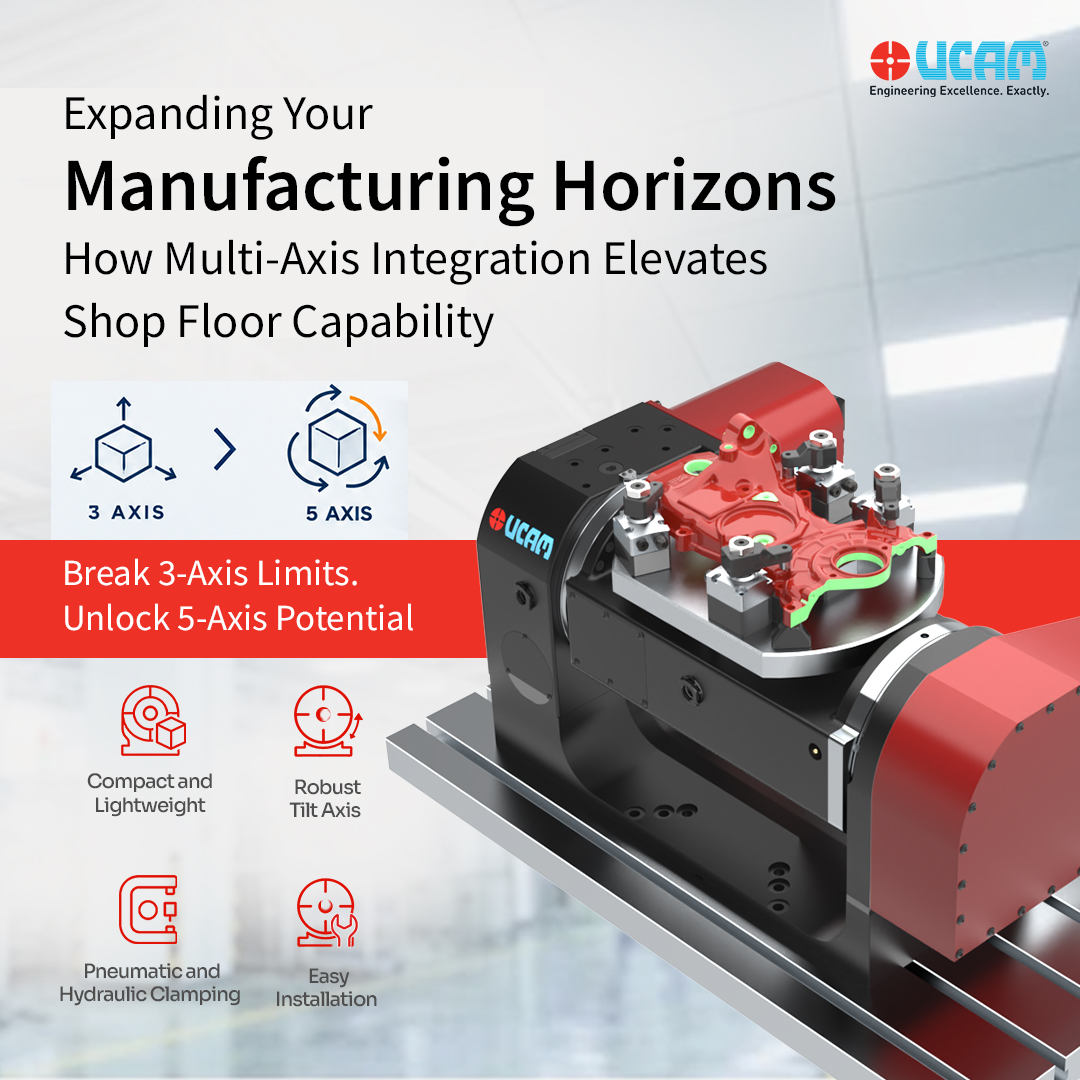
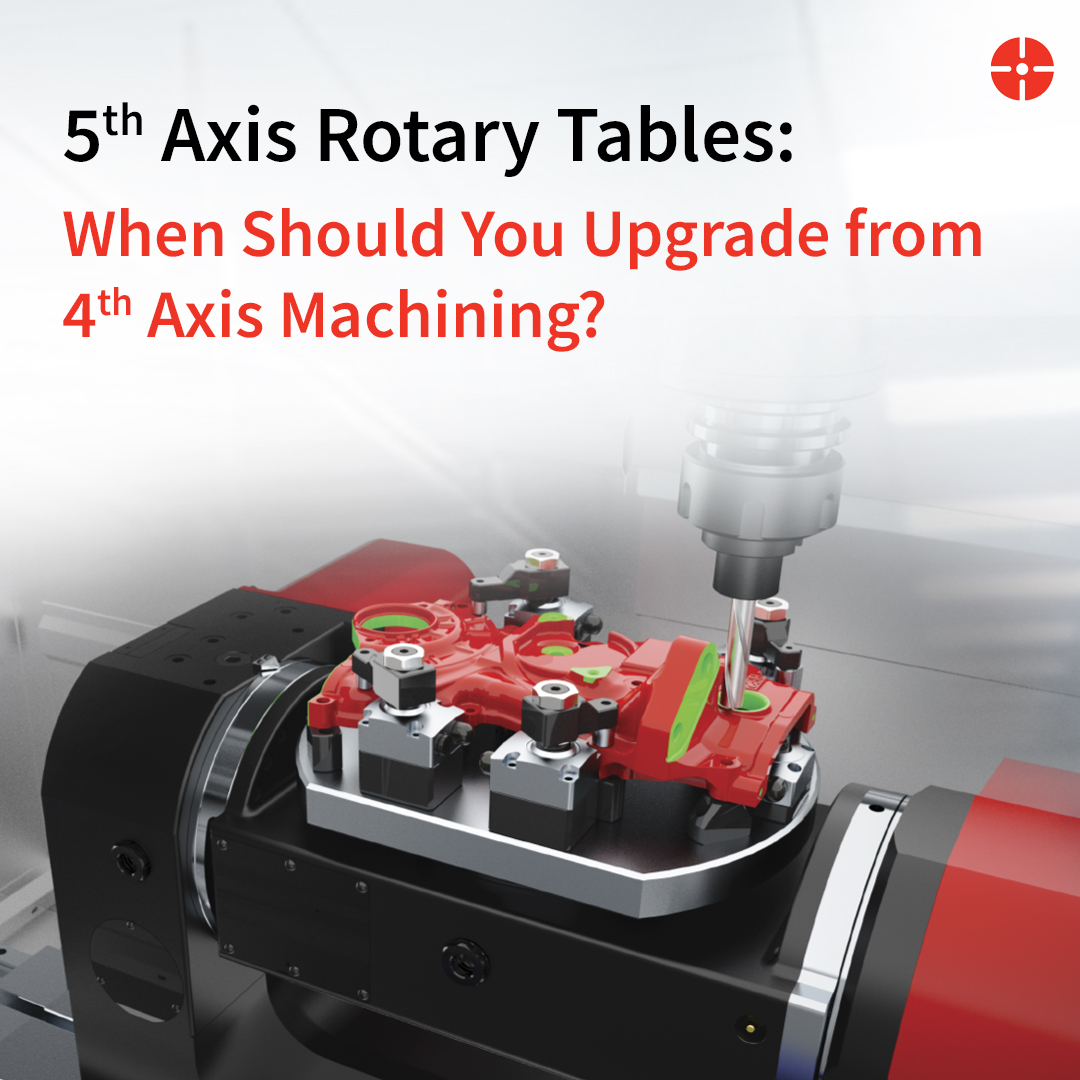
The transition from a 4th axis setup to a 5th Axis Table fundamentally transforms the machining envelope. A 5-axis configuration introduces two additional rotary axes to a standard 3-axis machine (usually a tilting axis and a rotating axis).
While a 4-axis allows the tool to access the sides of a part, 5-axis capabilities allow the spindle to approach the workpiece from almost any conceivable angle. This dual-axis rotation unlocks two distinct modes of operation: 3+2 positional indexing (locking the axes rigidly at complex compound angles) and full simultaneous 5 axis machining, where the X, Y, Z, and both rotary axes move fluidly together in real-time.
The Advantages of CNC Tilting Rotary Tables
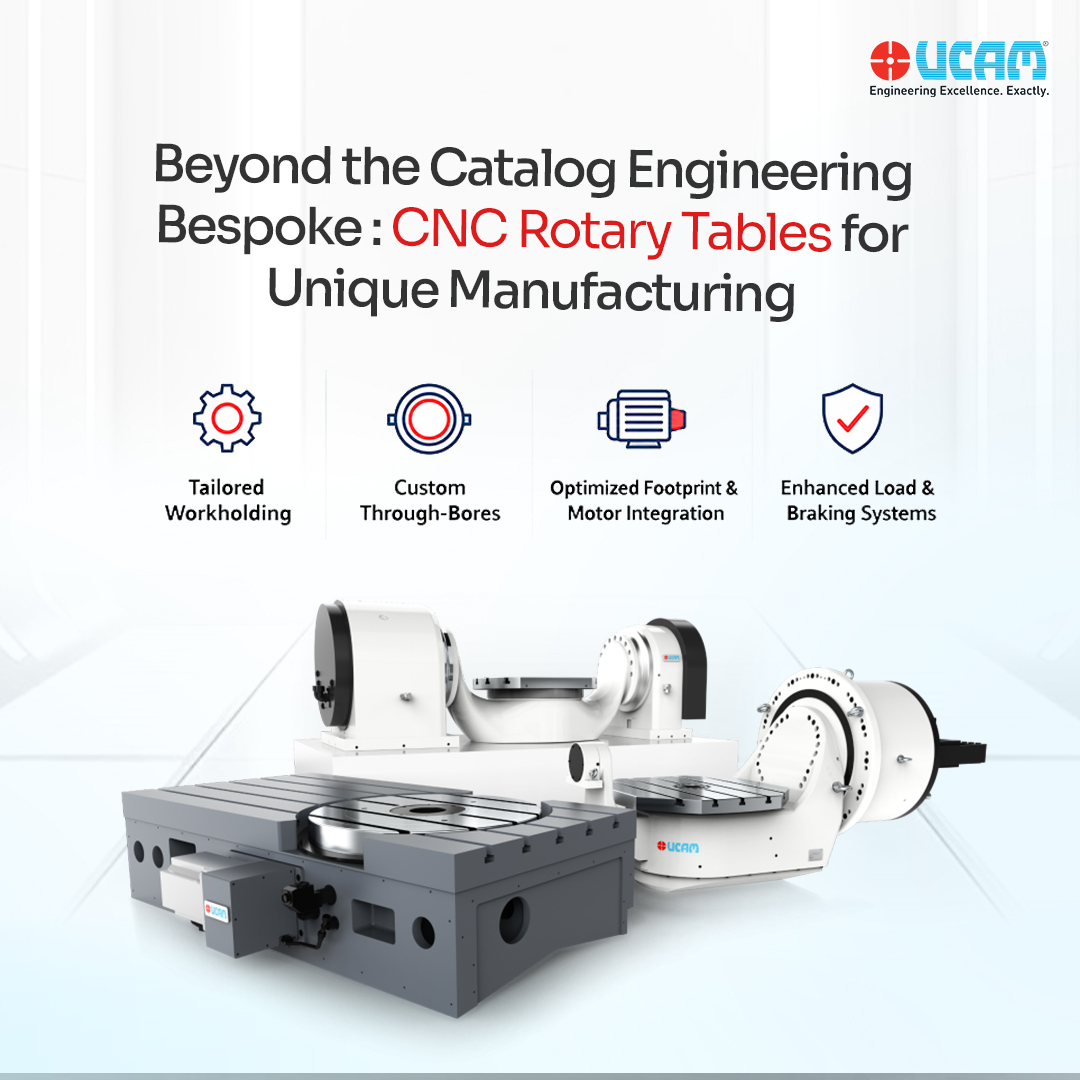
The core of this multi-axis upgrade lies in CNC Tilting Rotary Tables. These highly engineered units feature a platter that rotates a full 360 degrees while the entire trunnion assembly tilts back and forth.
One of the greatest advantages of this architecture is tool optimization. By tilting the workpiece toward the spindle, programmers can utilize much shorter, thicker, and more rigid cutting tools. This drastically reduces tool deflection and chatter. Furthermore, utilizing a deep tilting rotary table allows the workpiece to be tilted well past 90 degrees, offering unparalleled, collision-free access to severe undercuts and intricate internal cavities.
When Should Shops Upgrade? Aerospace & Complex Applications
A shop should seriously evaluate upgrading when they consistently face high scrap rates due to manual fixturing errors, when they spend excessive time engineering custom jigs, or when they want to bid on highly lucrative, complex contracts.
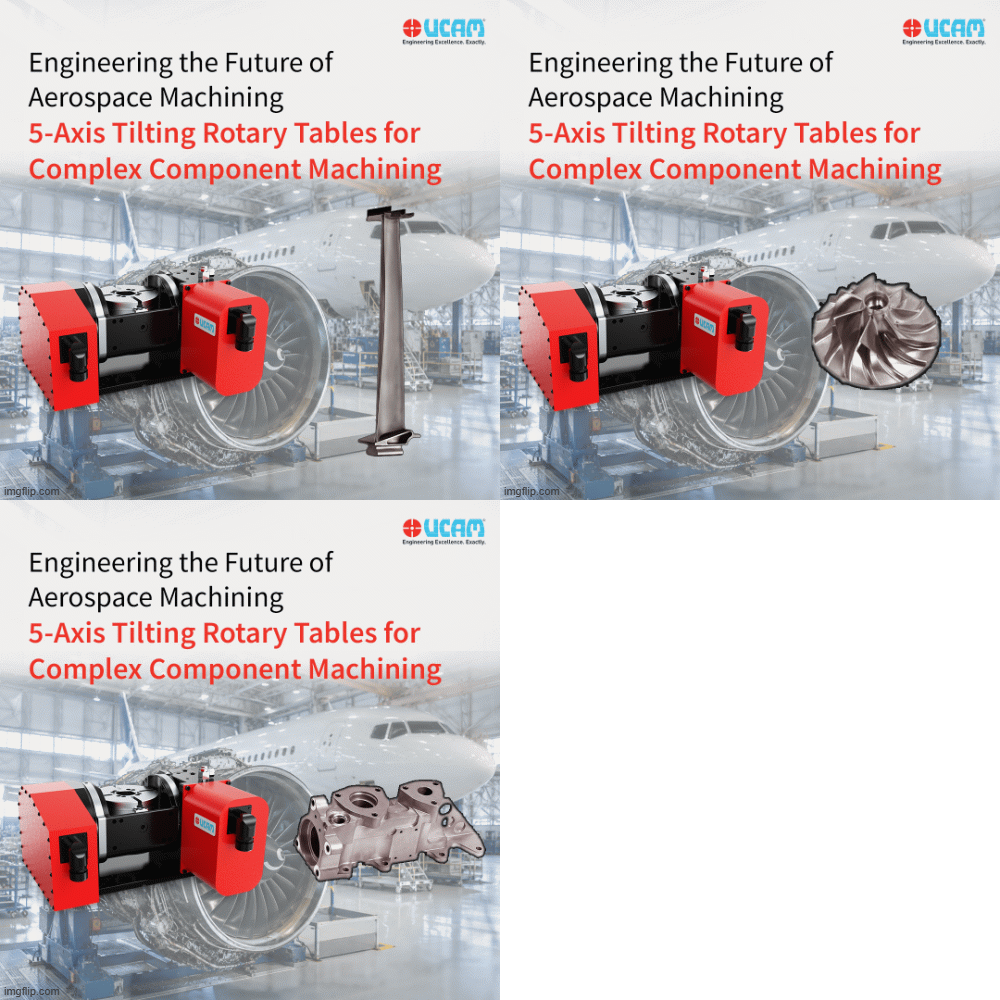
This upgrade is practically mandatory for aerospace manufacturing. Aircraft components—such as structural ribs, turbine blades, and jet engine impellers—are engineered with complex, sweeping aerodynamic contours. Machining these geometries out of solid superalloys requires the fluid motion of simultaneous 5 axis machining to keep the tool perfectly perpendicular to the cutting surface at all times. Similarly, the medical implant and mold-making industries rely heavily on this technology to carve organic curves and deep, draft-angled cavities with flawless mirror finishes.
Retrofit ROI vs. Machine Replacement
A common misconception is that acquiring 5-axis capability requires massive capital expenditure on a brand-new, dedicated 5-axis machining center. In reality, retrofitting a rigid, reliable 3-axis VMC with a high-quality 5th Axis Table offers a significantly faster and more attractive ROI.
This retrofit strategy transforms your existing equipment into a highly capable multi-axis cell for a fraction of the cost of full machine replacement. It instantly unlocks the ability to execute “done-in-one” setups on complex parts, drastically reduces non-cutting idle time, and maximizes the profitability of the assets already sitting on your shop floor.
Conclusion
Staying competitive in modern manufacturing means having the capability to machine complex geometries quickly and flawlessly. Upgrading your VMC with advanced multi-axis workholding is the most effective way to eliminate production bottlenecks and take on high-value contracts. If your facility is ready to leave the limitations of 3- and 4-axis machining behind, explore our robust lineup of precision solutions at UCAM.
FAQs
What is the main difference between 4th axis and 5th axis machining?
A 4th axis rotates the workpiece along a single plane, allowing access to the sides of a part. A 5th axis adds a tilting mechanism, allowing the machine to approach the part from virtually any angle to machine compound surfaces and undercuts.
What is simultaneous 5 axis machining?
This is an advanced machining process where the machine’s three linear axes (X, Y, Z) and the two rotary axes of the table all move at the exact same time. It is required for machining complex, freeform surfaces like turbine blades and aerospace impellers.
Is it cheaper to retrofit a machine with a 5th axis table or buy a new machine?
Retrofitting an existing 3-axis VMC with CNC Tilting Rotary Tables is vastly more cost-effective than purchasing a completely new 5-axis machine. It provides an excellent ROI by giving your current equipment high-end, multi-axis capabilities at a fraction of the capital cost.


 ucam_marketing