
 10 April 2026
 2549
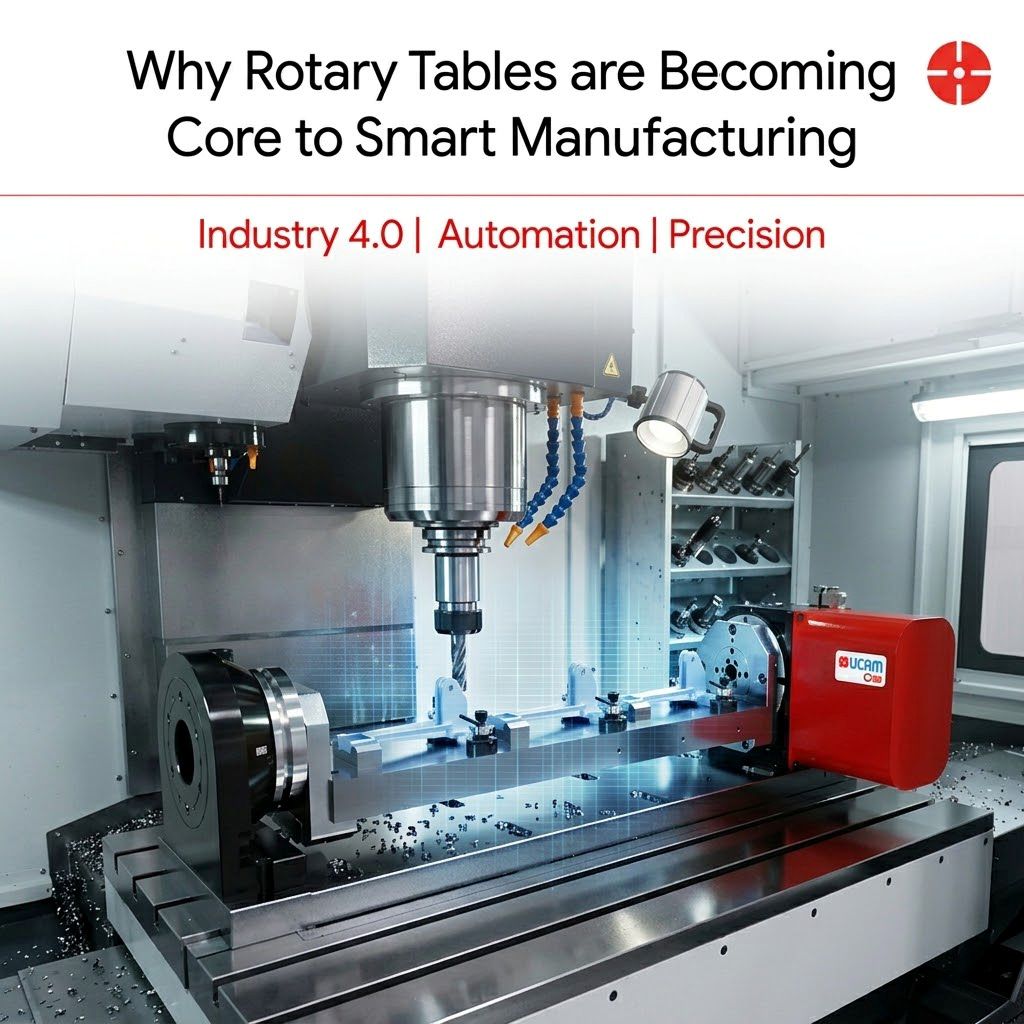
2549Under Industry 4.0, manufacturing demands rapid automation and higher productivity. The CNC Rotary Table has evolved from a simple accessory into a core enabler of smart factory systems.
The Shift to Multi-Axis Precision
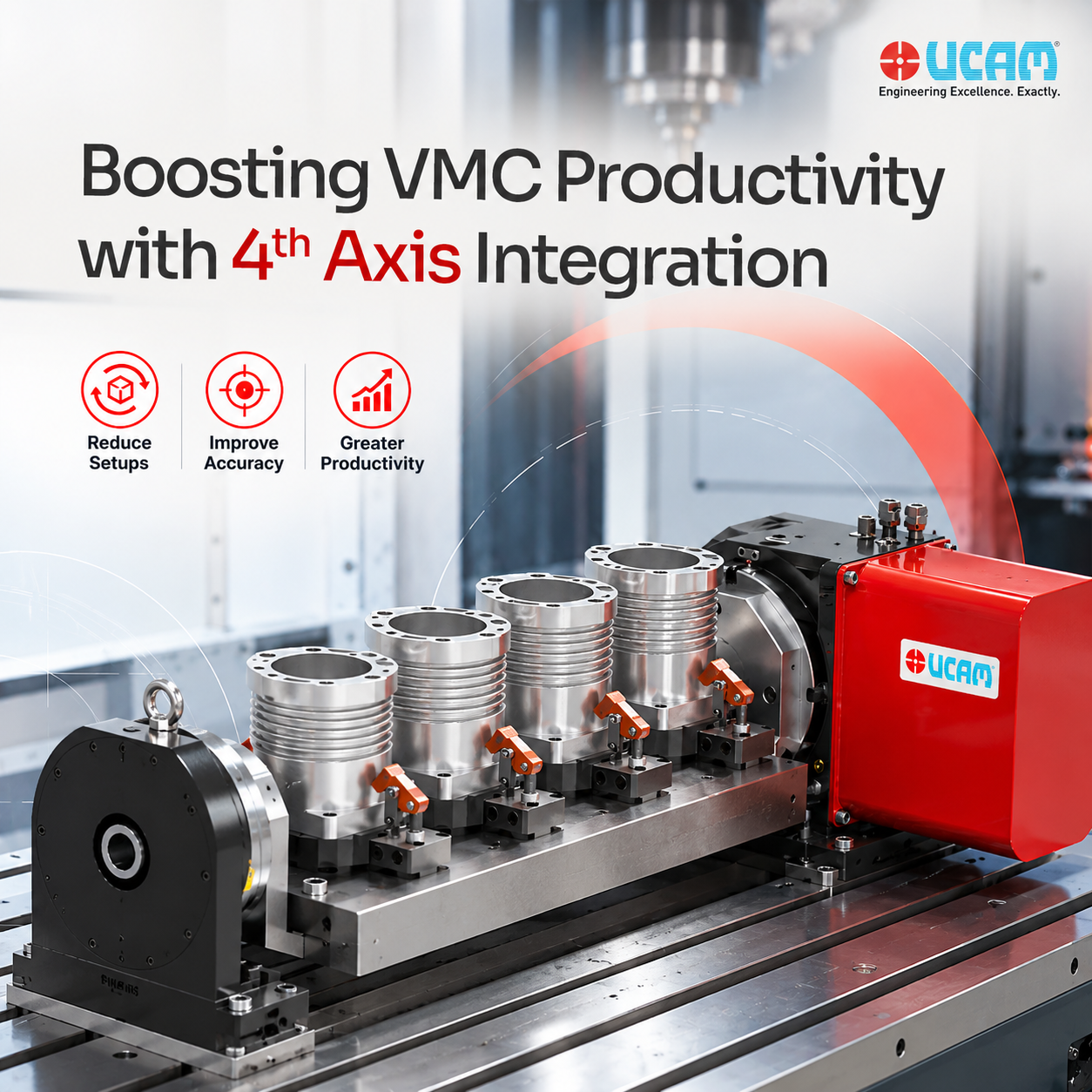
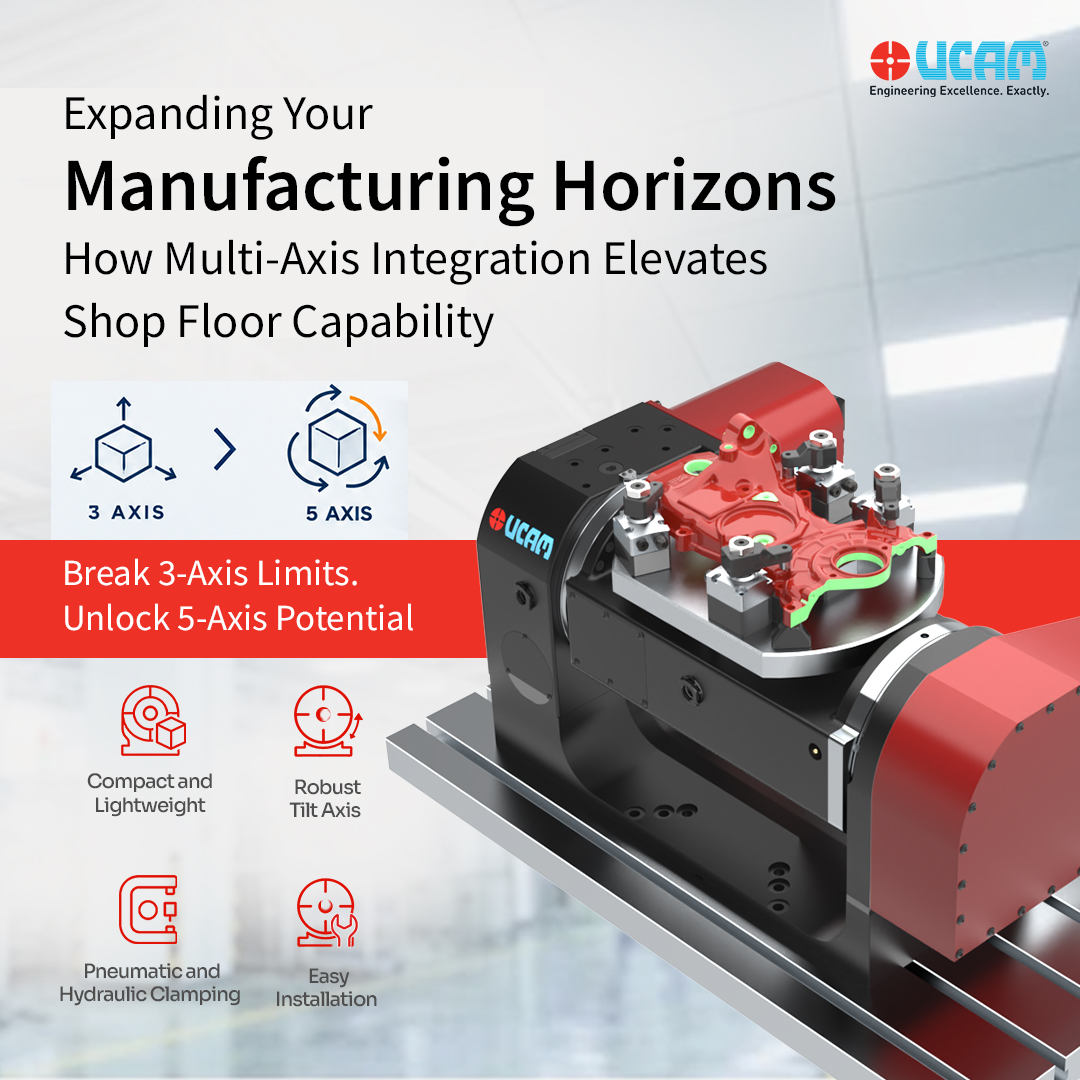
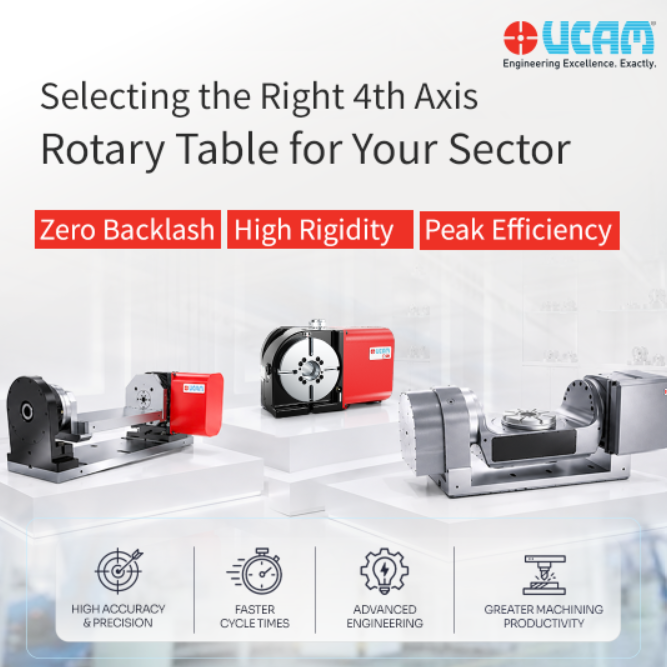
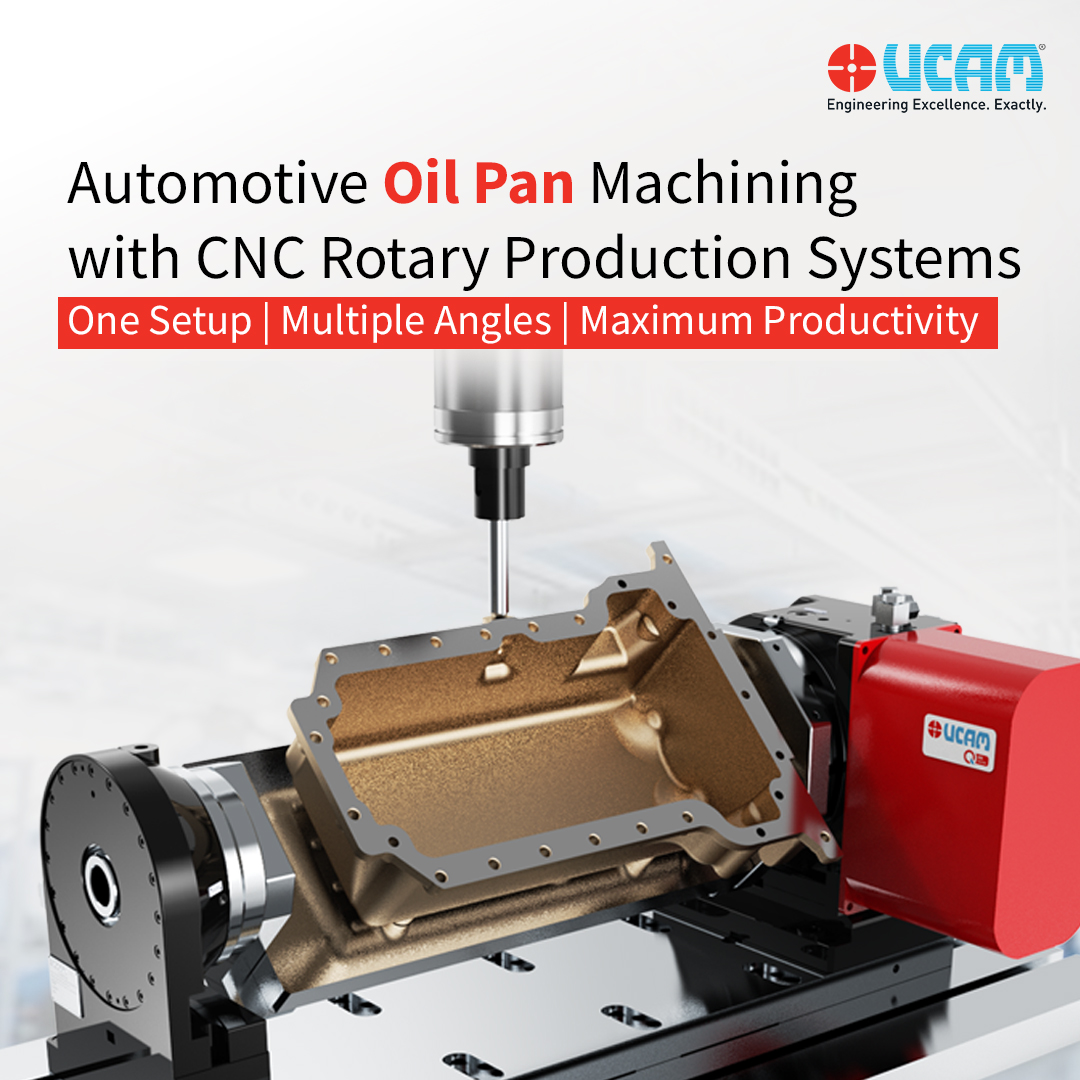
Complex components expose the limitations of traditional 3-axis machines. Rotary Tables add rotational axes, transforming standard equipment into 4-axis or 5-axis systems. Machining multiple faces in a single setup drastically reduces cycle times, eliminates re-fixturing errors, and maximizes spindle utilization for high-mix production.
Driving Automation and IoT Integration
Rotary Tables are essential for automated “lights-out” production, seamlessly integrating with robotic loaders, pallet changers, and flexible manufacturing systems (FMS). Modern systems feature high-resolution encoders and smart connectivity, enabling real-time performance monitoring, machine health diagnostics, and predictive maintenance.
Scalability with the UCAM Advantage
Instead of purchasing costly new multi-axis machines, integrating Rotary Tables provides a scalable, cost-effective upgrade. UCAM aligns with emerging industry needs by offering:
- High-Speed Direct Drive: Engineered for rapid indexing, superior accuracy, and reduced maintenance.
- Digital Integration: Seamless compatibility with major CNC controllers.
- Automation Readiness: Designed to support robotic and FMS workflows.
- AI-Driven Monitoring: Advanced feedback systems ready for predictive maintenance.
Integrating advanced Rotary Tables is no longer a luxury—it is a strategic necessity for competitive manufacturing.
FAQs
How do CNC Rotary Tables serve as a foundational technology for the broader goals of Industry 4.0?
Rotary tables enable digital connectivity by including sensors and features that allow real-time performance monitoring, predictive maintenance, and data-driven production optimization. They support the core tenets of Industry 4.0 by enabling multi-axis capabilities, enhancing automation, and integrating into larger digital ecosystems.
What specific limitations of traditional 3-axis machining are addressed by adding a rotary table?
Traditional 3-axis machining often requires multiple setups to access different surfaces of a complex component. By adding a rotational axis, rotary tables transform the machine into a 4-axis or 5-axis system, which drastically reduces setup time, increases productivity, and results in fewer setups overall.
Why is "Deep Tilting" important for Aerospace manufacturing?
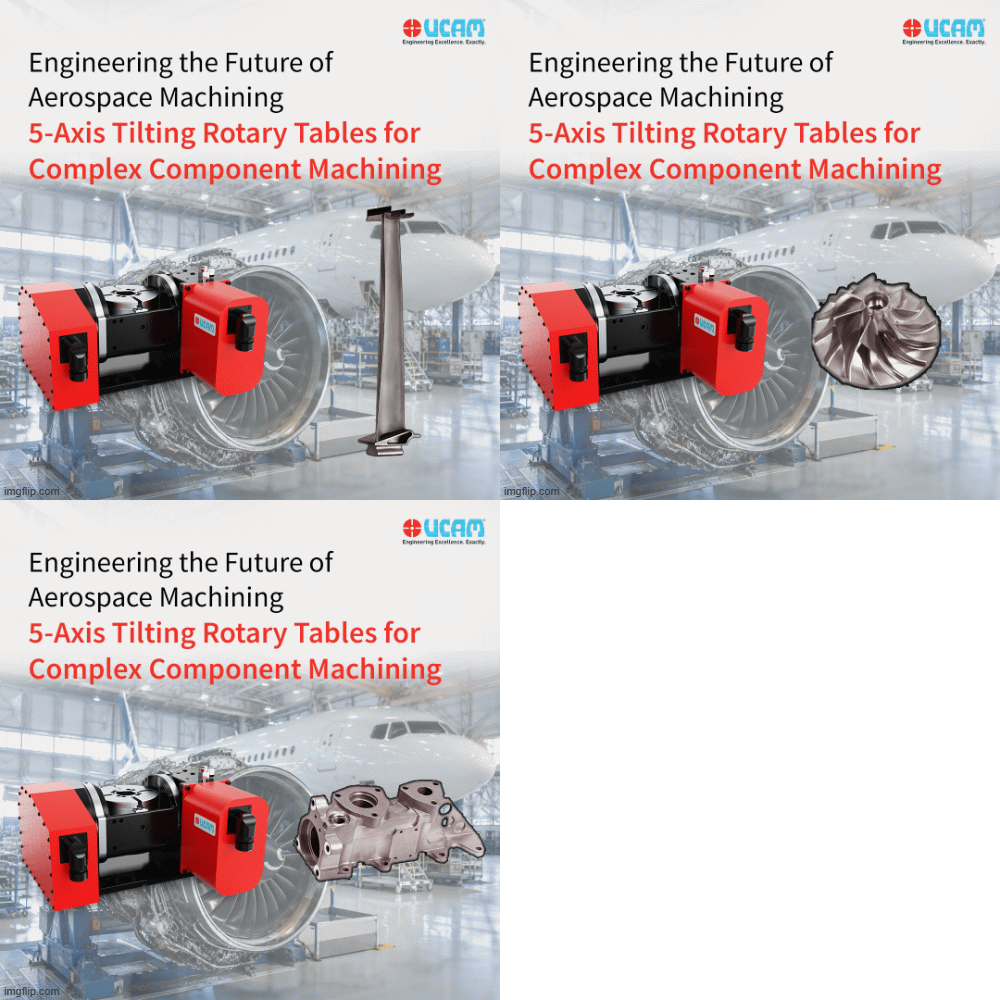
Aerospace parts often have deep pockets and undercuts. A Deep Tilting table allows the part to be positioned at extreme angles, allowing shorter, more rigid tools to reach these features, which improves surface finish and tool life.
What is the main strategic advantage of integrating a rotary table compared to purchasing a completely new multi-axis machine?
Rotary tables offer a cost-effective path to achieving advanced capabilities by allowing manufacturers, including small and medium enterprises, to upgrade existing CNC machines. This scalability helps manufacturers increase productivity and unlock multi-axis capabilities while controlling capital investment.



 ucam_marketing