 17 October 2026
 22
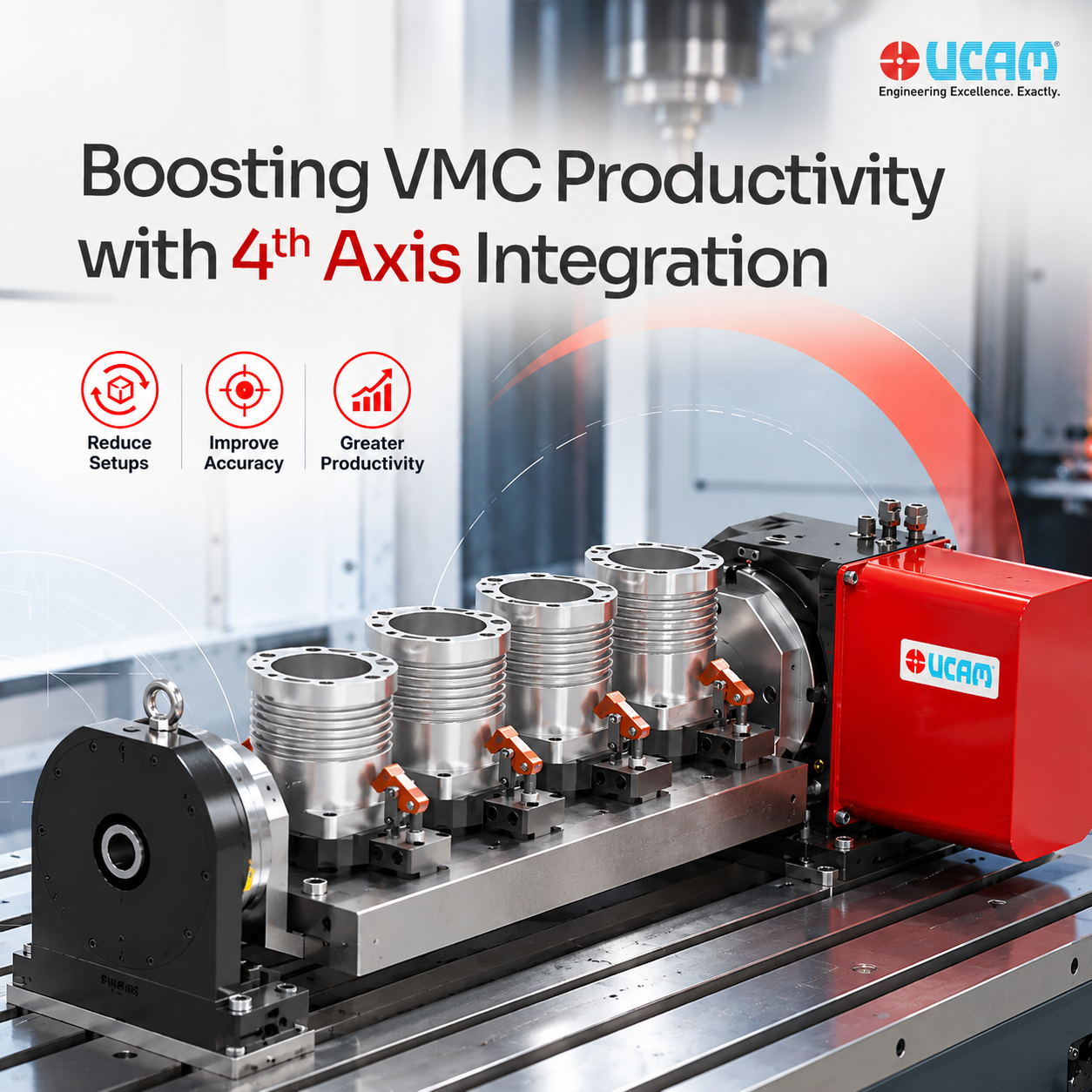
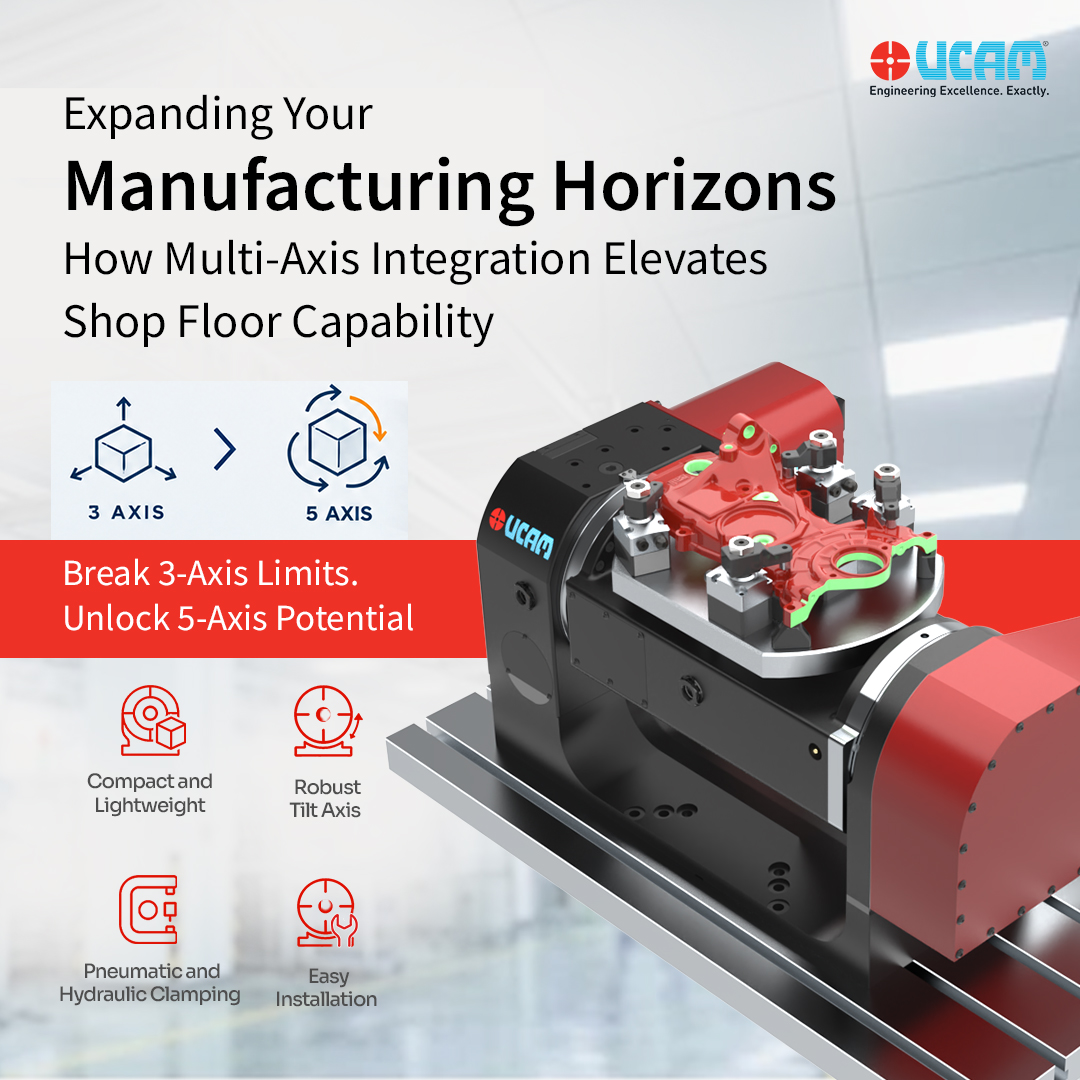
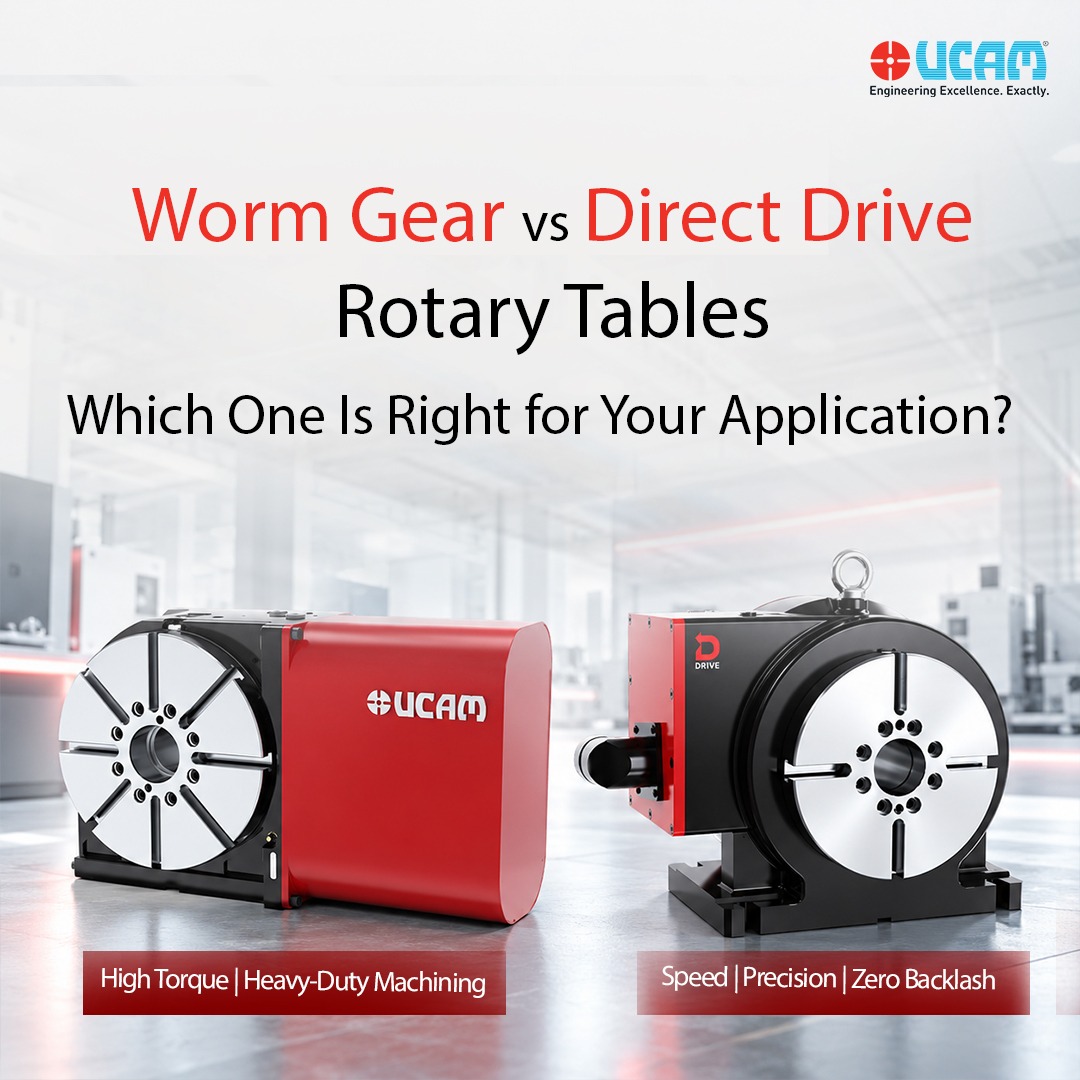
When manufacturing facilities evaluate a machine tool upgrade, the decision often comes down to the underlying mechanics of the workholding. Upgrading a Vertical Machining Center or Horizontal Machining Center with a 4th or 5th-axis Rotary table fundamentally expands factory capabilities. However, production engineers and technical buyers face a critical technological choice: should the rotary table be driven by a traditional worm gear mechanism or a modern direct drive motor?
Across global manufacturing markets—from automotive hubs in Europe to rapidly expanding industrial zones in the UAE—decision-makers constantly compare these two technologies before finalizing their capital investments. The choice between direct drive and worm gear is not a matter of one being universally superior. Rather, it is about matching the physics of the drive mechanism to the specific cutting forces and cycle times required by your components.
Here is a definitive engineering comparison to help you select the exact technology your shop floor needs.
Worm Gear Rotary Tables: The Heavyweight Standard
The worm gear mechanism is the time-tested backbone of heavy industrial machining. In this setup, an AC servo motor turns a threaded worm shaft, which meshes with the teeth of a worm wheel attached to the rotary faceplate.
Engineering Strengths
- Mechanical Advantage and Torque: The primary advantage of a worm gear system is its massive torque multiplication. The gear reduction ratio allows a standard servo motor to generate immense rotational thrust, making it ideal for manipulating multi-ton parts.
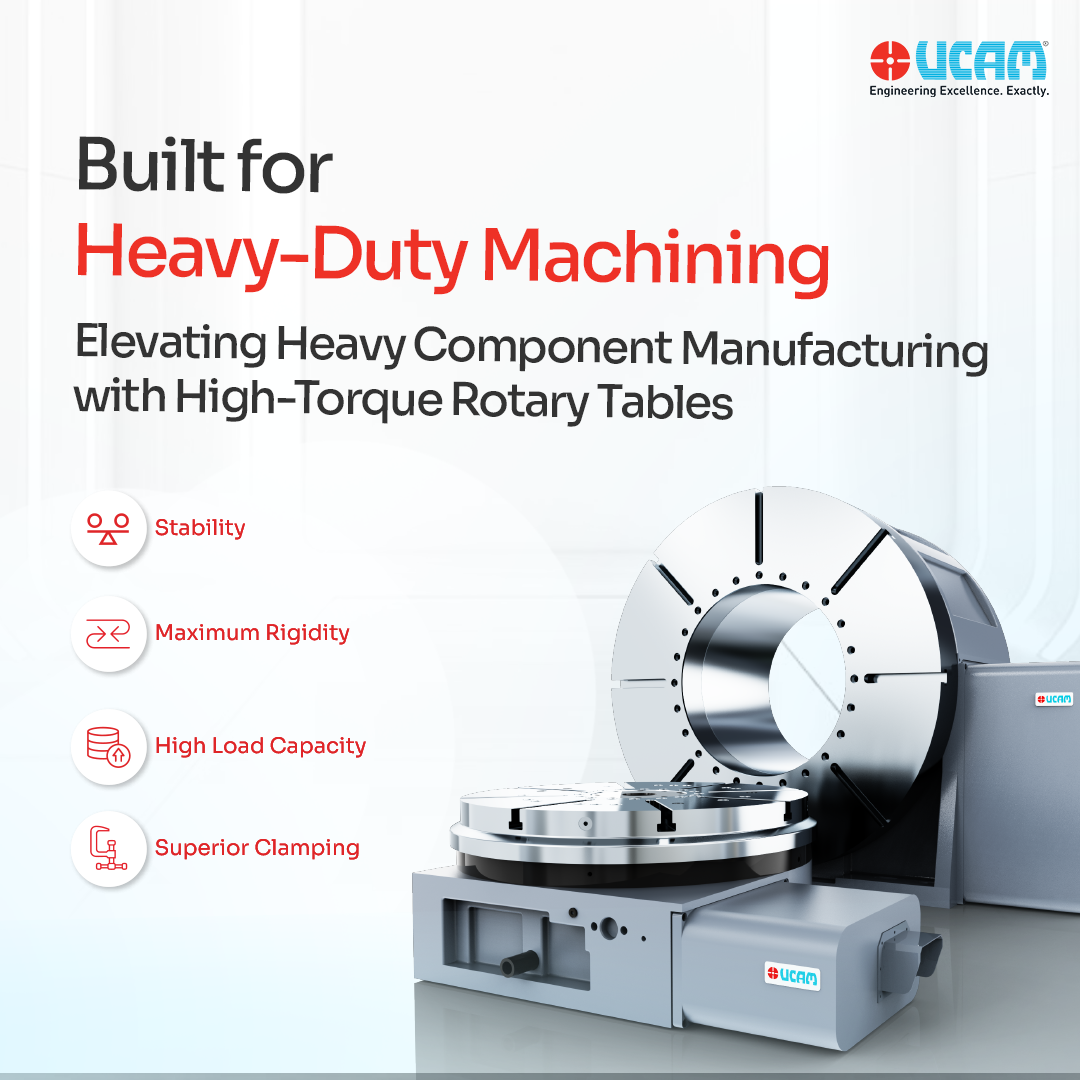
- Heavy Metal Removal: When paired with high-pressure hydraulic clamping—such as the 1,700 Nm braking torque found on UCAM’s URX Series—worm gear tables provide unyielding rigidity. They easily absorb the aggressive radial forces generated by large indexable face mills or deep-hole boring tools without deflecting.
- Cost-Effective Durability: Modern worm gear systems, like UCAM’s Dual Lead Worm Gear sets, utilize case-hardened steel shafts and specialized non-ferrous alloy wheels. This design ensures even load distribution and long-term durability for general engineering and automotive cast-iron machining.
Best For: Heavy automotive castings, energy sector valves, large flanges, and any application requiring aggressive roughing cuts on heavy payloads.
Direct Drive Rotary Tables: The Speed and Precision Pioneer
A Direct Drive Rotary table completely eliminates the internal gear system. Instead, the rotary faceplate acts as the rotor of a massive, high-torque permanent magnet synchronous motor. The magnetic field directly spins the table, completely removing physical contact between drive components.
Engineering Strengths
- Zero Mechanical Backlash: “Backlash” is the microscopic play between interlocking gear teeth. Because direct drive tables (such as UCAM’s UDDR Series) have no gears, there is strictly zero mechanical backlash. When paired with a high-resolution direct-mounted encoder, the table achieves sub-micron, flawless positioning accuracy.
- Extreme Acceleration and RPM: Without the friction of a gear train to hold it back, a direct drive motor delivers instantaneous torque. It accelerates to high RPMs in fractions of a second, drastically cutting down index times between drilling positions.
- Zero Wear: Because the drive mechanism operates via magnetic fields rather than physical gear meshing, there is no mechanical wear over time. The indexing accuracy on day one will be the exact same indexing accuracy in year ten.
Best For: Aerospace turbine blades, medical device machining, complex simultaneous 5-axis contouring, and ultra-high-speed aluminum component manufacturing.
Head-to-Head Architectural Breakdown
Drive Mechanism
- Worm Gear (e.g., UCAM URX Series): Powered by an AC servo motor driving a precision worm shaft and wheel assembly.
- Direct Drive (e.g., UCAM UDDR Series): Powered by a gearless, magnetic torque motor integrated directly into the faceplate assembly.
Speed and Acceleration
- Worm Gear: Delivers controlled, steady indexing speeds optimal for heavy position-locking operations.
- Direct Drive: Delivers ultra-high rotational RPMs and instantaneous acceleration to slash non-cutting transition times.
Payload & Cutting Capacity
- Worm Gear: Offers maximum physical load capacity and extreme resistance against heavy, interrupted cutting forces.
- Direct Drive: Optimized for moderate payloads and continuous multi-axis profiling with high dynamic response.
Backlash & Maintenance
- Worm Gear: Features micro-adjustable Dual Lead mechanisms to eliminate long-term gear play through routine maintenance intervals.
- Direct Drive: Inherently backlash-free with zero internal gear friction, resulting in a virtually maintenance-free drive system.
Making the Decision
If your facility is taking on heavy steel forgings or massive iron castings that demand raw holding torque and aggressive roughing, a premium Worm Gear Rotary Table is the structural foundation you need. Conversely, if your contracts mandate zero-backlash precision, simultaneous 5-axis surfacing, and lightning-fast indexing to slash cycle times, a Direct Drive Rotary Table is the ultimate performance upgrade.
FAQs
Does a Direct Drive Rotary Table lack holding torque during heavy milling?
While direct drive motors provide high rotational torque, they rely entirely on their magnetic field and internal braking system to hold a part still during a cut. They do not have the natural mechanical resistance of a worm gear. To compensate, high-quality direct drive tables use robust pneumatic or hydraulic clamping brakes. However, for the absolute heaviest roughing applications, worm gear tables still offer superior mechanical rigidity.
How is backlash eliminated in modern worm gear rotary tables?
While gearless direct drives have zero backlash by nature, premium worm gear tables utilize a “Dual Lead” design. This allows the worm shaft to be micro-adjusted deeper into the worm wheel as the table naturally wears over the years. This restores the gear mesh to factory tolerances, maintaining extreme precision throughout the table’s lifespan.
Will my existing CNC controller support a Direct Drive Rotary Table?
Integrating a direct drive table requires a controller capable of handling high-resolution encoder feedback and managing the specific tuning parameters of a torque motor. Most modern Tier-1 controllers support this, but your machine’s electrical cabinet must be audited to ensure compatibility before making the upgrade.


 ucam_marketing