
 10 August 2026
 340
340Aerospace CNC machining operations take place under some of the most demanding parameters within the manufacturing sector. Producing mission-critical components from tough aerospace-grade metals and advanced composites demands uncompromising precision. For decades, traditional 3-axis Vertical Machining Centers (VMCs) served as the reliable backbone of component production. However, as modern aircraft designs evolve to include complex aerodynamic surfaces and intricate internal channels, conventional machining setups have become a severe bottleneck.
To maintain a competitive edge and fulfill the stringent dimensional tolerances required by tier-one manufacturers, facilities are rapidly adopting 5-axis CNC Tilting Rotary Table machining configurations. By upgrading existing machines with these advanced tables, manufacturers are instantly transforming their standard VMCs into high-performance 5-axis manufacturing cells.
The Bottleneck of Conventional Machining
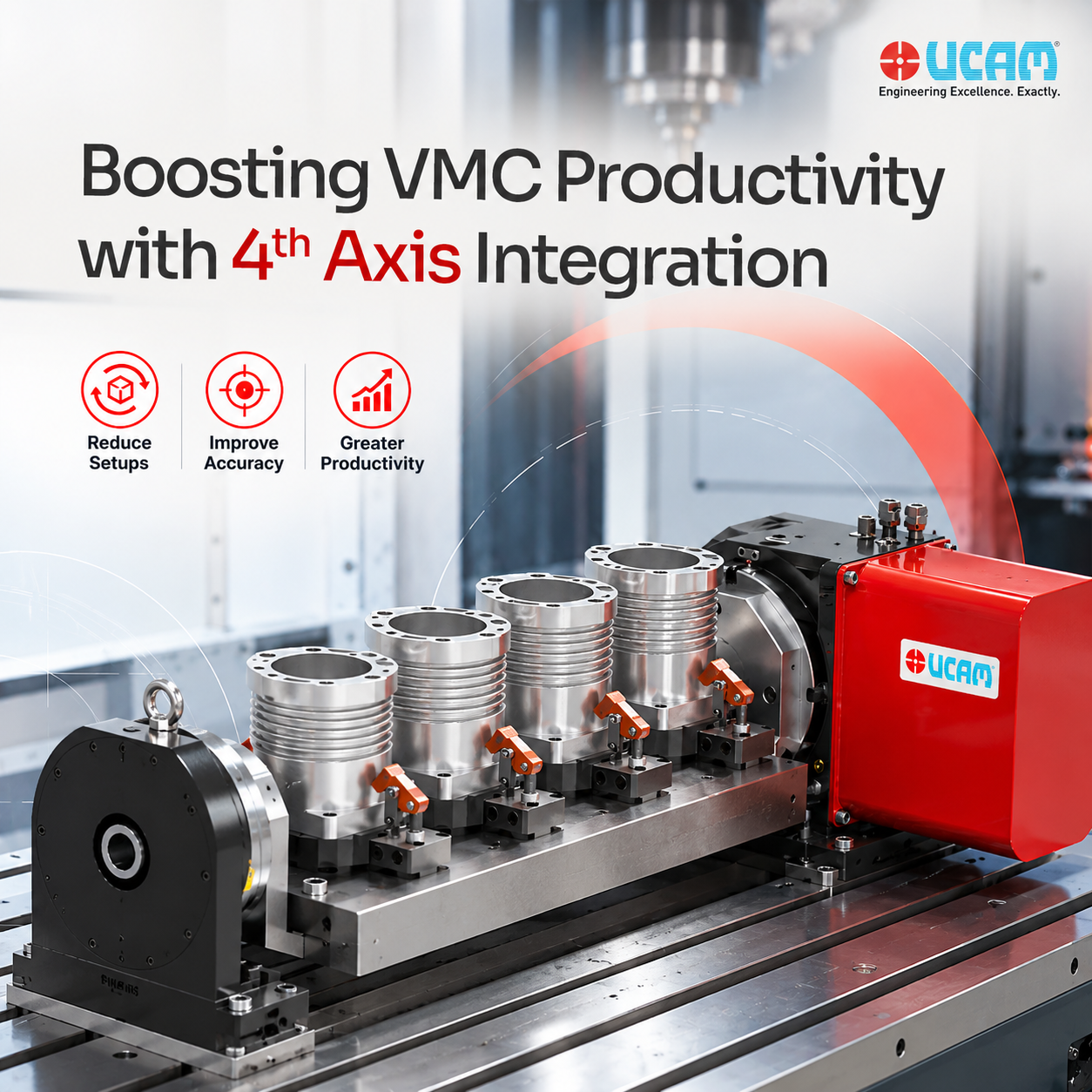
Machining a multifaceted aerospace component—such as a structural bracket or landing gear fitting—on a standard 3-axis VMC requires the operator to halt the machine multiple times. To cut different sides, the operator must manually unclamp the workpiece, reposition it in a new fixture, realign the machine, and restart. This multi-setup approach introduces two critical failures into the production line:
- Alignment Errors (Tolerance Stack-Up): Every manual refixturing step introduces microscopic alignment errors. Across multiple setups, these minute deviations compound. In an industry where tolerances are often held to the width of a human hair, this “stack-up” of errors is a primary cause of rejected parts.
- Spindle Downtime: Manual refixturing forces the machine to sit idle. When highly skilled operators spend hours wrestling with custom fixtures instead of actually cutting metal, overall factory efficiency drops significantly.
The Mechanics of the 5-Axis Tilting Rotary Table
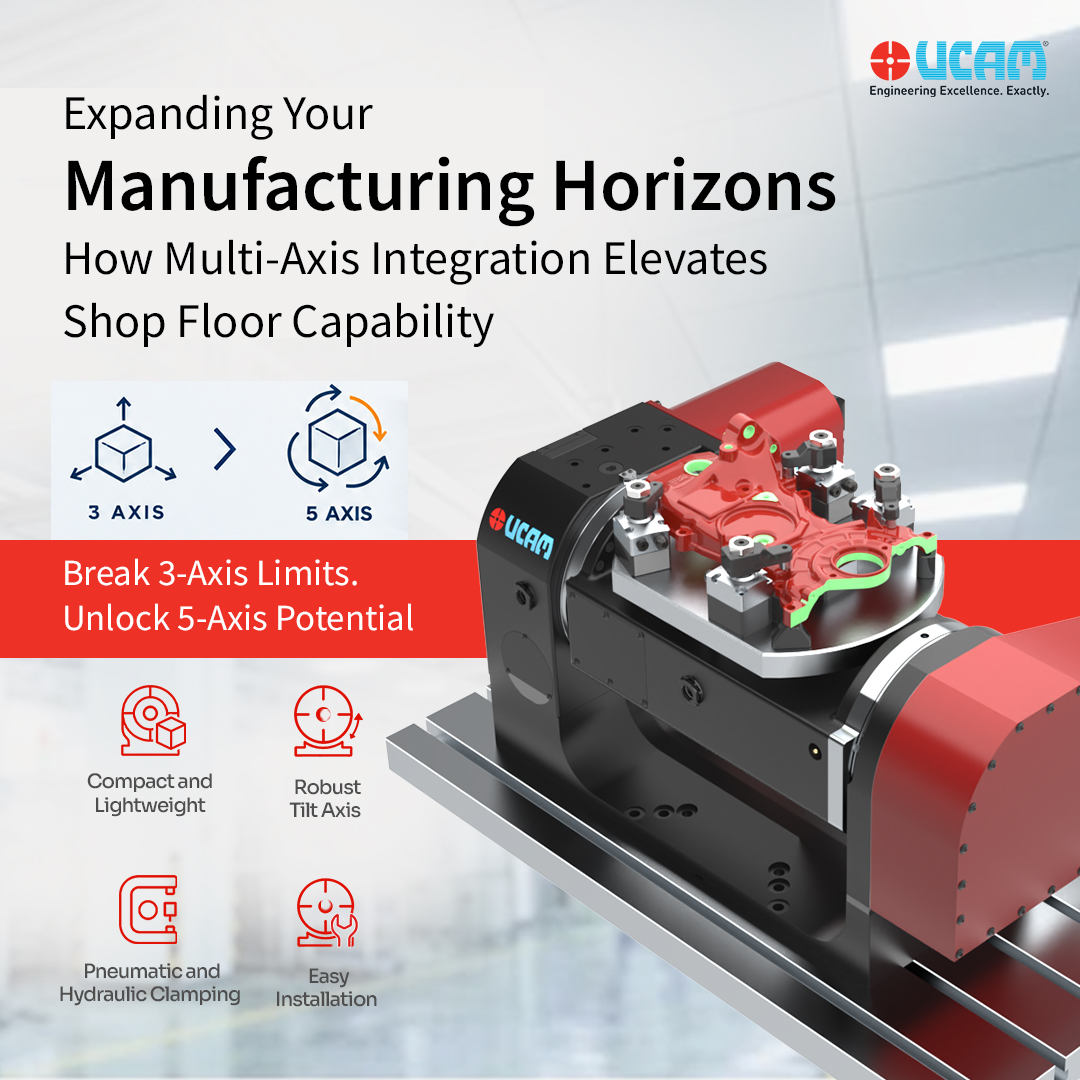
The most effective engineering solution is the integration of a Tilting Rotary Table. Rather than investing millions in brand new, fully dedicated 5-axis machining centers, manufacturers can retrofit these advanced systems onto their existing VMCs. This adds two critical axes of movement to the machine:
- The Rotary Axis: The platter of the table rotates a full 360 degrees, providing access all the way around the workpiece.
- The Tilting Axis: The entire rotary mechanism physically tilts forward and backward, exposing the top, sides, and complex compound angles to the machine’s cutting tool.
This capability enables two types of cutting: 3+2 Positional Machining (tilting the part to a specific angle, locking it in place, and performing heavy cuts) and Simultaneous 5-Axis Machining (synchronized motion across all axes to cut smooth, flowing contours). By accessing up to five sides of a part in a single setup, this “Done-in-One” method completely eliminates manual refixturing, eradicates alignment errors, and guarantees perfect part geometry.
Solving Aerospace Machining Challenges
Integrating a tilting table directly addresses the most persistent challenges encountered during complex component machining. As global hubs of aerospace manufacturing expand—with regions like Abu Dhabi in the UAE rapidly scaling up their advanced aerospace production alongside traditional centers in North America and Europe—the demand for highly efficient multi-axis machining has never been higher.
Here is how tilting tables solve specific aerospace applications:
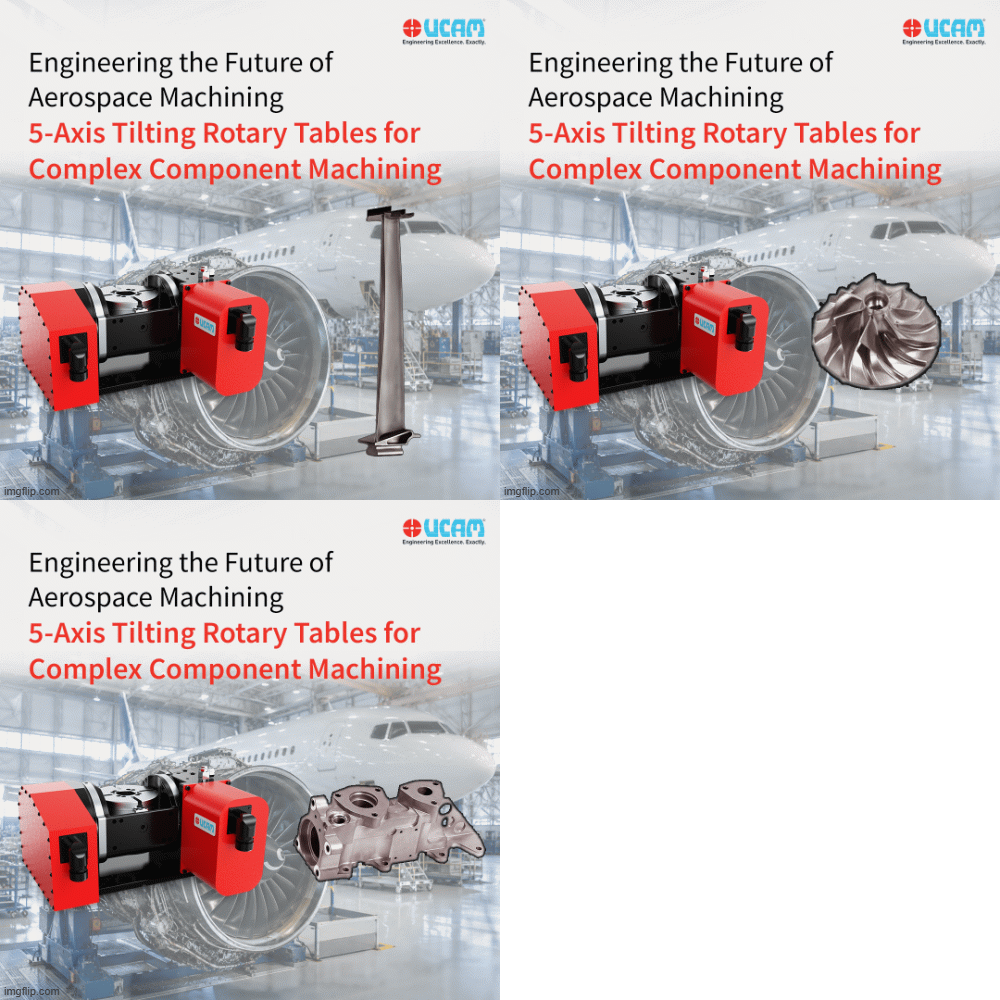
- Turbine Blades and Impellers: Turbine blades feature sweeping aerodynamic curves. A tilting rotary table enables simultaneous 5-axis milling, tilting the blade in real-time to keep the cutting tool perfectly angled against the surface. This reduces cycle times drastically while yielding a smooth, polished surface finish that requires zero manual rework.
- Structural Brackets: Modern airframes utilize highly optimized, thin-walled brackets that are prone to vibrating during the machining process. Tilting the part allows the machine dynamic access to deep cavities without requiring long, unstable cutting tools. Programmers can orient the part to direct cutting forces into the most rigid section of the material, preventing the thin walls from bending or distorting.
- Engine Housings: Jet engine housings require high-precision holes and flat surfaces on multiple intersecting angles. By tilting the component to the exact required angle, the machine executes operations seamlessly, ensuring all features line up perfectly without the need for specialized right-angle attachments.
Counteracting Heavy Cutting Forces
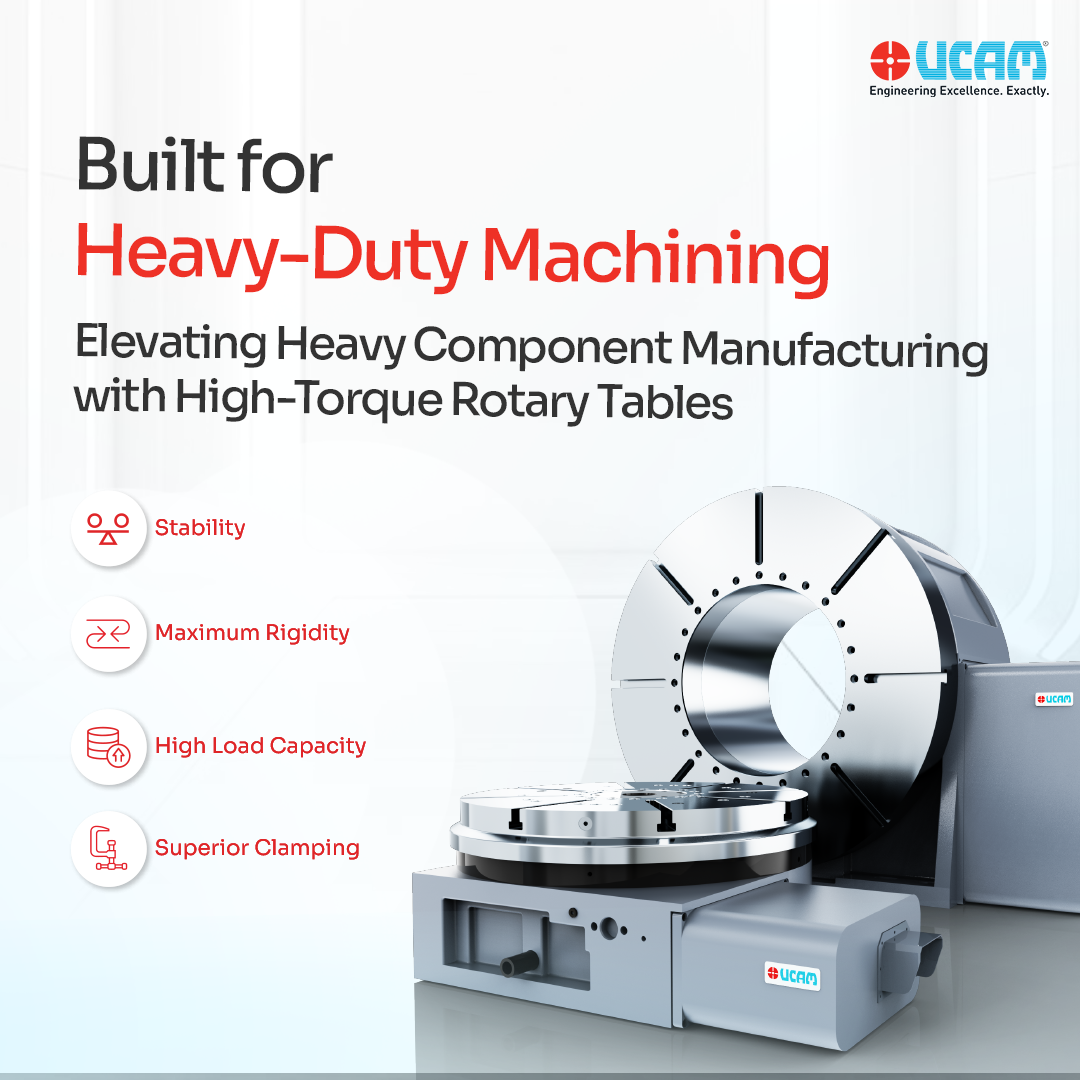
Aerospace metals are famously tough, generating immense cutting forces and extreme heat. If a rotary table lacks structural rigidity, these extreme forces will cause the table to flex or bend slightly. Even microscopic movement induces vibration (chatter), which shatters cutting tools and ruins the surface finish of the part.
Leading precision manufacturers like UCAM engineer their CNC tilting rotary tables specifically to counteract these massive forces through highly rigid design architectures:
- Heavy-Duty Bearings: High-end aerospace tables utilize premium roller bearings that distribute heavy cutting forces across a wide surface area. This provides unparalleled stiffness, absorbing the intense vibrations generated when aggressively cutting tough aerospace metals.
- Zero-Backlash Drives: Advanced tables utilize precision gear sets that eliminate mechanical play (backlash). For ultra-high-speed operations, direct-drive rotary tables eliminate gears entirely, using powerful motors to deliver instantaneous, frictionless movement.
- High-Torque Hydraulic Clamping: Pneumatic (air) clamping acts like a sponge under heavy tool pressure and is insufficient for aerospace metals. Advanced tilting tables utilize robust, high-pressure hydraulic clamping systems. Because fluid cannot be compressed, it provides massive locking torque, securely fusing the table in place for unyielding rigidity during heavy roughing cuts.
The Economics of the Upgrade
UCAM offers a comprehensive portfolio engineered specifically for aerospace demands, ranging from compact tilting tables for structural fittings to large-bore models that accommodate specialized automated clamping.
From a business and management perspective, upgrading existing VMCs with a tilting table maximizes the return on equipment already sitting on the shop floor. The financial benefits are realized rapidly:
- Drastic Setup Reduction: Reducing a complex four-setup process to a single setup cuts non-productive machine handling time by up to 70%, keeping the spindle turning and generating revenue.
- Elimination of Custom Fixtures: Operators can use standard clamping systems directly on the rotary table, eliminating the massive costs associated with designing and storing dedicated angle fixtures for every single part.
- Scrap Eradication: Removing human error from manual part repositioning drops scrap rates for high-value metal parts to near zero, heavily protecting the facility’s profit margins.
Conclusion
In the high-stakes environment of aerospace manufacturing, dimensional precision and process reliability are non-negotiable. As component designs grow more demanding, the limitations of traditional 3-axis machining are fully exposed. By upgrading existing vertical machining centers with advanced 5-axis tilting rotary tables, facilities can instantly bridge the technology gap. Featuring uncompromising rigidity and massive holding power, these engineered rotary solutions empower manufacturers globally to eliminate production bottlenecks, reduce waste, and confidently secure high-margin aerospace contracts.
FAQs
When should a manufacturer upgrade a standard 3-axis machine with a 5-axis tilting rotary table instead of buying a dedicated 5-axis machine?
Retrofitting an existing Vertical Machining Center (VMC) with a tilting rotary table is highly cost-effective. It delivers full 5-axis capability—both positional (3+2) and simultaneous—at a fraction of the capital expenditure of a new machine, maximizing the return on your current shop floor equipment while avoiding massive installation and foundation costs.
How does a tilting rotary table eliminate part scrap during complex aerospace machining?
Traditional setups require operators to manually unclamp and reposition a part multiple times to machine different angles, which introduces microscopic alignment errors (tolerance stack-up). A tilting rotary table uses a “Done-in-One” single-setup approach. The part is clamped once, and the table tilts and rotates to expose all angles, eliminating human repositioning errors and dropping scrap rates to near zero.
Why is hydraulic clamping mandatory over pneumatic clamping for aerospace-grade applications?
Aerospace metals generate intense cutting forces that can cause weaker systems to flex, leading to tool chatter and ruined surface finishes. Pneumatic (air) clamping acts like a sponge under heavy tool pressure because air is compressible. Hydraulic clamping utilizes incompressible fluid to deliver massive locking torque, effectively fusing the table in place to ensure absolute rigidity during aggressive roughing cuts.


 ucam_marketing