
 20 July 2026
 472
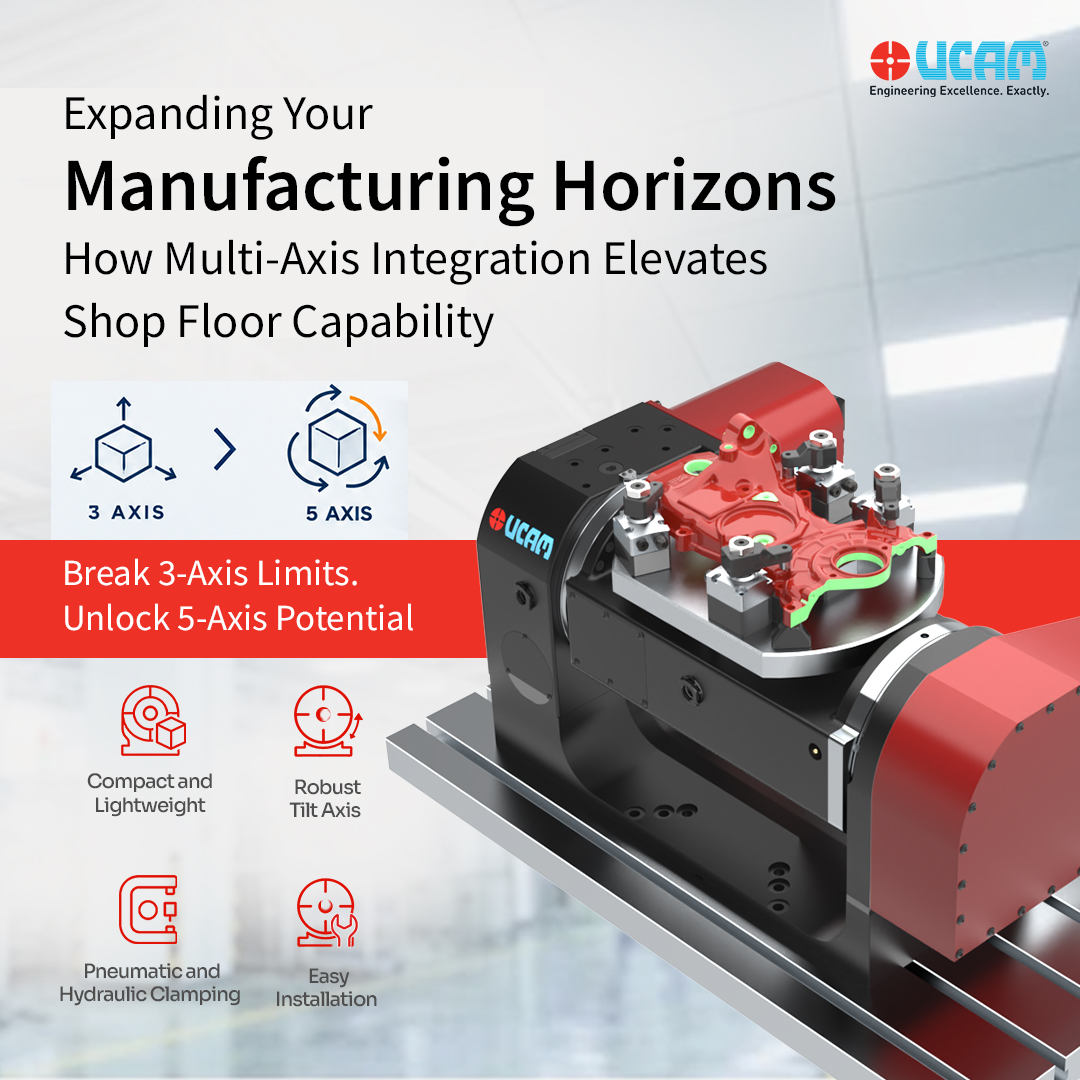
472In modern manufacturing, profitability comes down to spindle uptime and volumetric precision. For most multi-axis applications, integrating a standard CNC rotary table into a Vertical Machining Center (VMC) is the most practical way to upgrade a traditional 3-axis machine. It immediately expands the machine’s work envelope, reduces part handling, and fundamentally elevates process capability.
However, as you take on more complex components, off-the-shelf equipment eventually hits its physical limits. If you are machining heavy, asymmetrical castings or building tight-tolerance robotic cells, a standard catalog table will quickly bottleneck your spindle utilization. When a one-size-fits-all setup starts costing you cycle time and forces operators into makeshift clamping routines, custom engineering becomes a strategic necessity.
This expert guide explains how purpose-built, special purpose rotary tables solve severe payload and clearance challenges, maximize your machine’s output, and deliver a direct return on investment for your facility.
Identifying the Limits of Standard Equipment
Standard Rotary Tables are engineered for a predictable range of median applications. They are highly optimized for symmetrical payloads, standard center heights, and conventional clamping methodologies. Attempting to adapt a highly unique component to a standard rotary table often introduces mechanical compromises. These compromises manifest as reduced cutting feeds, makeshift fixturing, and increased harmonic vibration during the cut.
Plant operations leaders and manufacturing engineers will recognize the critical need for a customized solution when they encounter the following operational constraints:
- Extreme Moments of Inertia: Machining large, uniquely shaped components with an off-center center of gravity creates severe eccentric mass. A standard bearing configuration will struggle to support this continuous imbalance. Over time, this leads to radial runout, premature bearing failure, and severe surface chatter during heavy milling operations.
- Work Envelope Interference: The physical dimensions of the workpiece, or the standard rotary table’s motor housing, may physically clash with the VMC’s internal sheet metal, the automatic tool changer, or the strict limits of the Z-axis stroke.
- Complex Pass-Through & Automation: Specific applications require a significantly enlarged center bore to seamlessly accommodate long bar stock or specialized hydraulic rotary joints. Furthermore, advanced automated cells require highly specific servo motor placements and smart sensors to communicate flawlessly with a central robotic control system.
Defining the Special Purpose Rotary Table
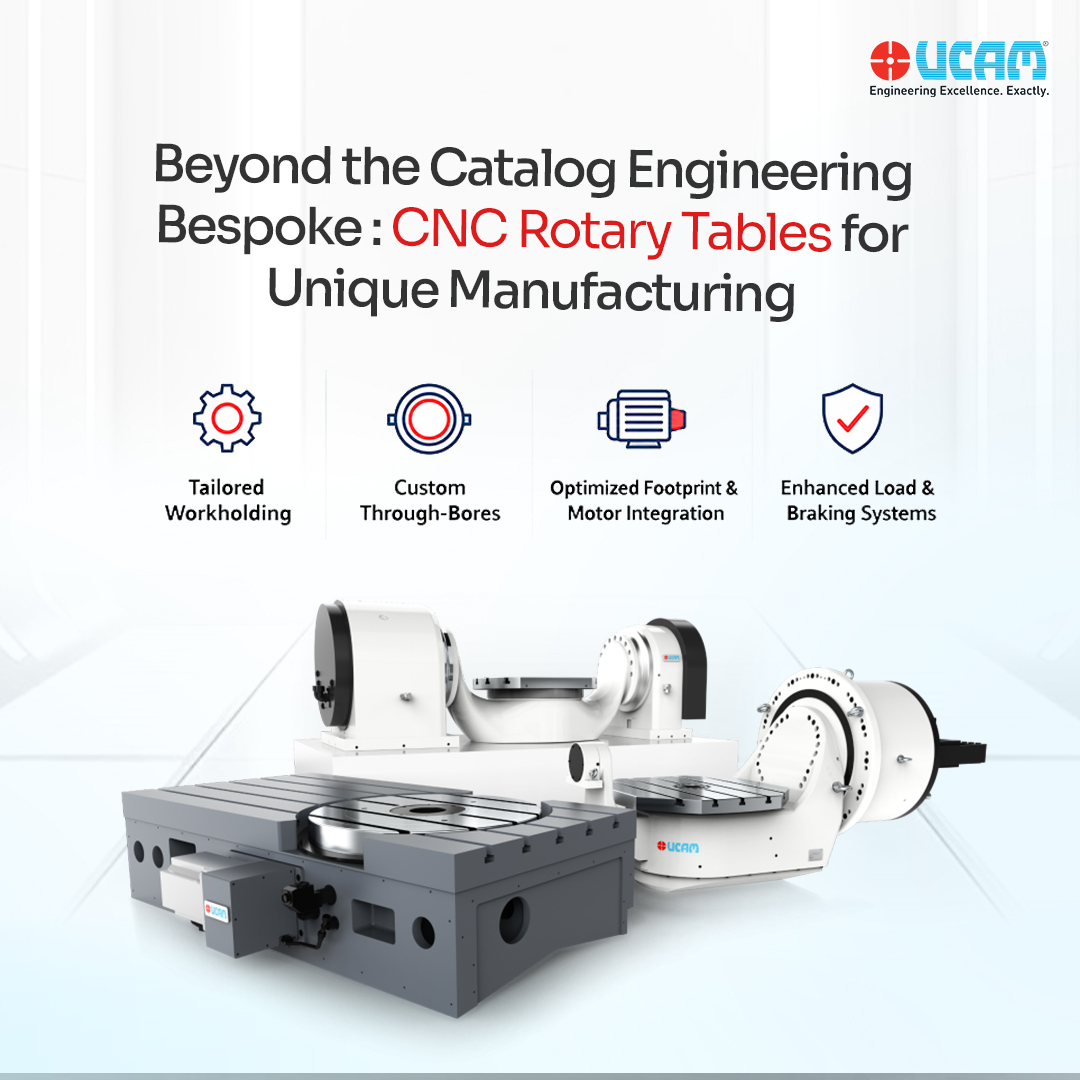
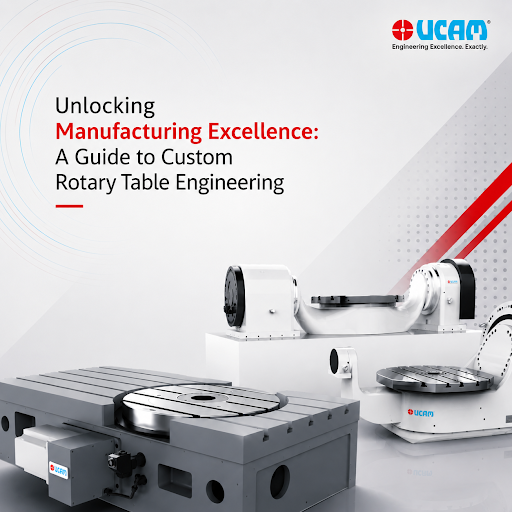
A special purpose rotary table is a multi-axis positioning system designed, engineered, and manufactured from the ground up to conquer one specific manufacturing application flawlessly. Instead of forcing a facility to alter its machining parameters to protect the equipment, custom engineering intelligently modifies several critical subsystems to achieve perfect operational harmony:
- Architectural Customization: Expert engineers can completely redesign the internal drivetrain. By featuring a top-mounted, rear-mounted, or fully integrated motor housing, the table prevents physical clashes with machine guarding. This directly maximizes the usable work envelope and allows cutting tools optimal reach without requiring extended, vibration-prone holders.
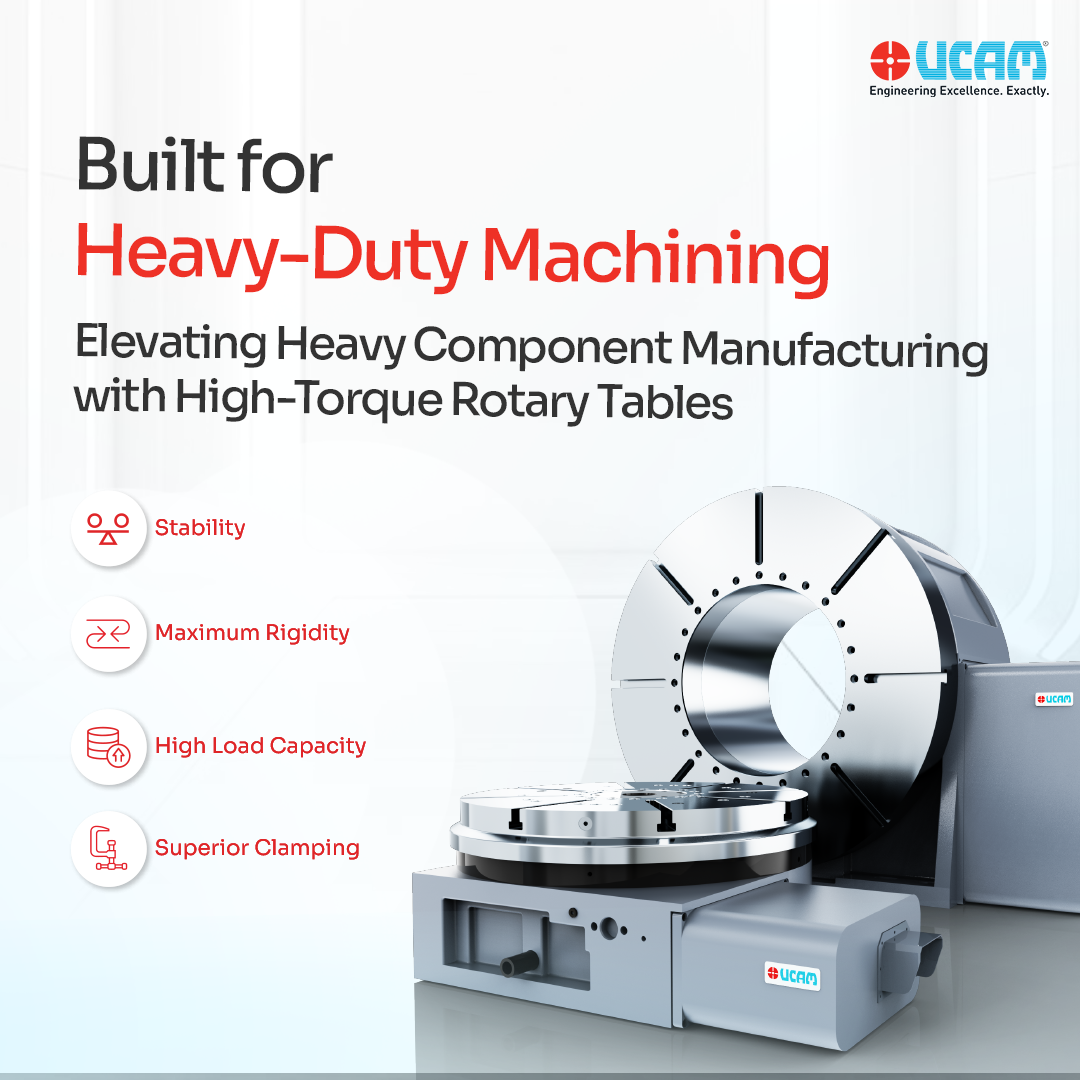
- Upgraded Dynamic Stiffness: Heavy material removal requires unyielding rigidity. For facilities milling high-tensile materials, the internal clamping mechanism can be significantly upgraded. By engineering a high-pressure, bespoke hydraulic braking system and utilizing high-capacity axial-radial roller bearings, the rotary table delivers exceptional locking torque. This ensures it remains absolutely rigid under the heaviest cutting forces.
- Purpose-Built Workholding: Custom engineering allows for the expert adaptation of the faceplate interface. Whether designing specific T-slot geometries, routing internal hydraulic channels for automated clamping, or ensuring the table mates perfectly with a bespoke custom CNC fixture, this level of customization secures the unique payload with sub-micron repeatability.
| Feature | Standard Rotary Table | Custom Rotary Table Solution |
Component Fit | Accommodates standard, symmetrical parts | Engineered perfectly for exact, unique geometries |
Motor Placement | Fixed position | Relocated securely to maximize the work envelope |
Workholding | Requires manual, standard clamping | Integrates flawlessly with a custom CNC fixture |
Load Capacity | Rated for median, centered weight | Reinforced specifically for massive, off-center loads |
Real-World Applications of Custom Engineering
Custom machining solutions are a practical necessity across the global heavy industry. Here is how custom tables solve specific mechanical challenges in the field, looking at heavy-duty energy components and automated robotic cells.
- Heavy-Duty Valve Machining In expanding industrial markets, such as the UAE, energy sector suppliers frequently process large, high-pressure flow control valves for oil and gas infrastructure. These asymmetrical castings create eccentric loads that cause severe stress and deflection on standard rotary tables. By utilizing a special purpose rotary table built specifically for these unique valve families, a facility eliminates these physical limits. Equipped with reinforced thrust bearings to handle the off-center weight and a high-torque hydraulic brake, the custom table allows the operator to maintain aggressive cutting feeds while holding tight geometric tolerances.
- Robotic Automation Cell Integration When integrating 6-axis robotic arms for continuous automated loading, standard rotary tables often cause severe clearance and communication issues. A custom table solves this directly. The motor housing can be relocated to clear the robot’s loading path, and absolute encoders and pressure sensors are wired directly to the cell controller. When combined with a custom CNC fixture equipped with pneumatic seating sensors, the system physically verifies proper part clamping before the spindle starts, completely preventing crashes during unmanned shifts.
The Strategic Return on Investment
Upgrading to a custom rotary table requires upfront capital, but it directly improves shop floor profitability through three primary factors:
- Maximized Spindle Uptime: Eliminating the need to build complex, makeshift clamping solutions for non-standard machining causes setup times to plummet. Parts locate perfectly on the first load, which significantly elevates Overall Equipment Effectiveness (OEE).
- Zero Scrap and Perfect Yields: Uncompromising dynamic stiffness counteracts the exact cutting forces of a unique operation. Destructive micro-vibrations and tool chatter are completely eliminated, ensuring that every component is machined with a superior surface finish and remains strictly within tolerance.
- Securing High-Margin Contracts: Purpose-built fixtures secure heavy components exactly as engineered, mitigating the risk of a part shifting under heavy cutting loads. Possessing customized, heavy-duty capabilities allows a facility to confidently bid on and secure highly lucrative contracts that competitors with standard equipment simply cannot handle.
The UCAM Partnership
Procuring a custom piece of industrial equipment should be a seamless, highly reassuring process based on hard engineering data. When buyers partner with UCAM, they gain a dedicated extension of their own engineering team.
Our collaborative process begins with a deep technical analysis of the facility’s component CAD models, material specifications, cutting force calculations, and VMC spatial constraints. Our expert engineering team then develops a comprehensive 3D solid model of the proposed rotary table. We utilize Finite Element Analysis (FEA) to simulate load distributions and ensure every operational requirement is met before manufacturing commences. Following precision manufacturing, rigorous simulated load testing and lifelong global support guarantee the custom investment remains a high-performing, highly profitable asset for decades.
Conclusion
When standard equipment reaches its physical limitations, a custom-engineered solution empowers your facility to confidently take on the industry’s most challenging contracts. Whether a production line requires a heavy-duty rotary table, a seamlessly integrated table for a continuous robotic cell, or a flawlessly executed custom CNC fixture, custom rotary table engineering is the ultimate key to unlocking maximum manufacturing potential. By embracing purpose-built solutions, production facilities eliminate operational bottlenecks, ensure perfect component quality, and secure their position as reliable leaders in the global manufacturing arena.
FAQs
When should a manufacturing facility consider a custom rotary table instead of a standard model?
You should explore a custom solution when standard equipment begins bottlenecking your spindle utilization. This typically occurs when machining parts with extreme off-center weights, when standard motor housings physically clash with your machine’s enclosure, or when you need specialized sensor integration for automated robotic cells.
What specific features can be modified on a special purpose rotary table?
Custom engineering can tailor almost every subsystem to your exact application. Common modifications include relocating the motor housing to maximize the work envelope, upgrading the hydraulic braking system for higher clamping torque, enlarging the center bore, and engineering bespoke faceplates to integrate perfectly with custom CNC fixtures.
How does a custom rotary table deliver a Return on Investment (ROI)?
While requiring a higher upfront capital investment, a custom table delivers rapid ROI by drastically reducing setup times through “one-time clamping” solutions. It also eliminates tool chatter and scrap rates by providing superior dynamic stiffness, allowing your facility to confidently secure complex, high-margin contracts.


 ucam_marketing