
 17 April 2026
 2512
2512Introduction
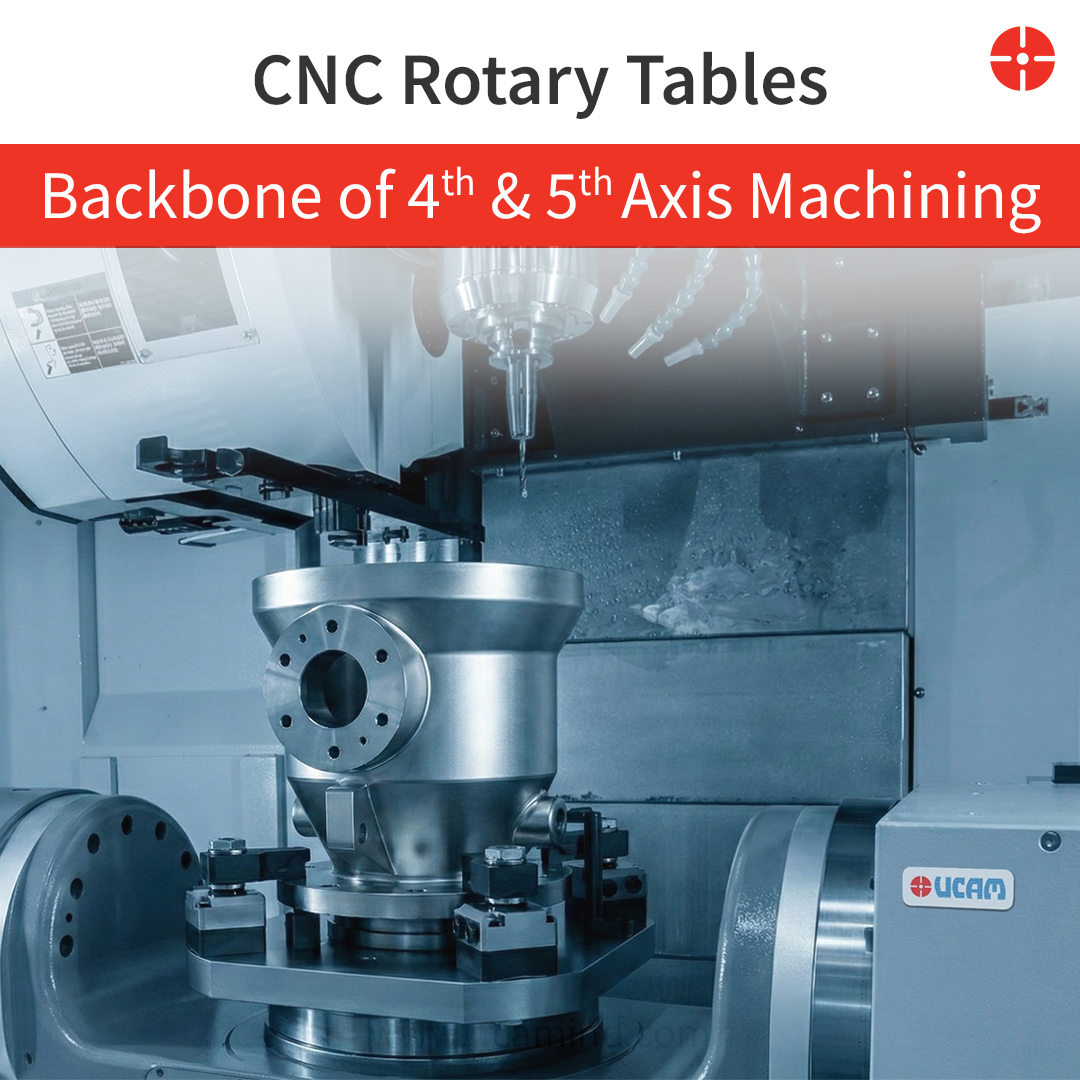
The CNC Rotary table is a key component in the shift toward higher precision and automation, transforming conventional machining centers into multi-axis systems.
By enabling complex geometries and improving accuracy, these tables are foundational to 4th and 5-axis machining in today’s industrial landscape.
What Makes CNC Rotary Tables So Essential Today?
CNC Rotary Tables enable controlled workpiece rotation, significantly boosting productivity and capability.
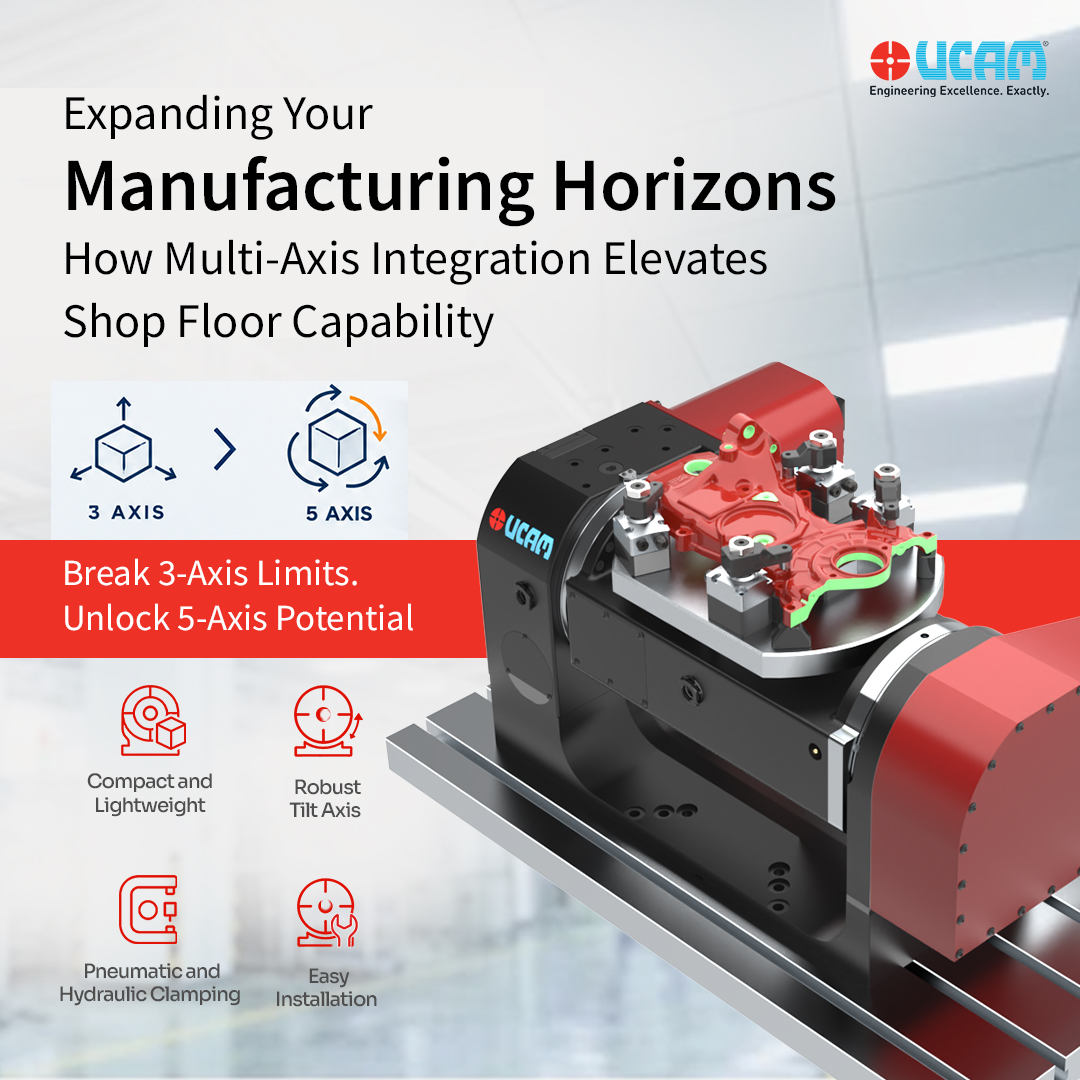
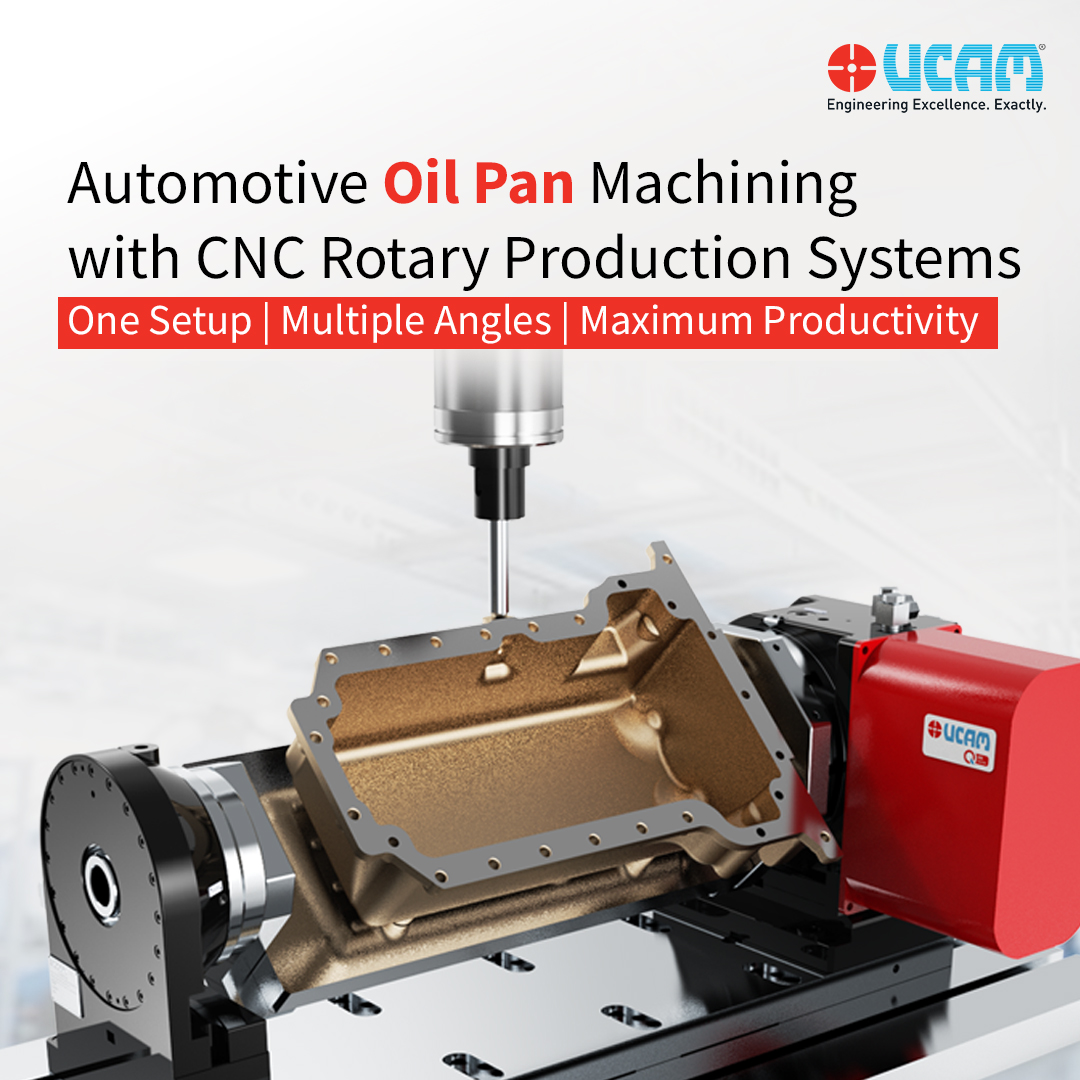
Adding a 4th axis allows single-setup machining of multiple faces, while 5-axis integration supports complex, simultaneous machining.
This transition to single-setup operations makes rotary tables essential for modern precision manufacturing.
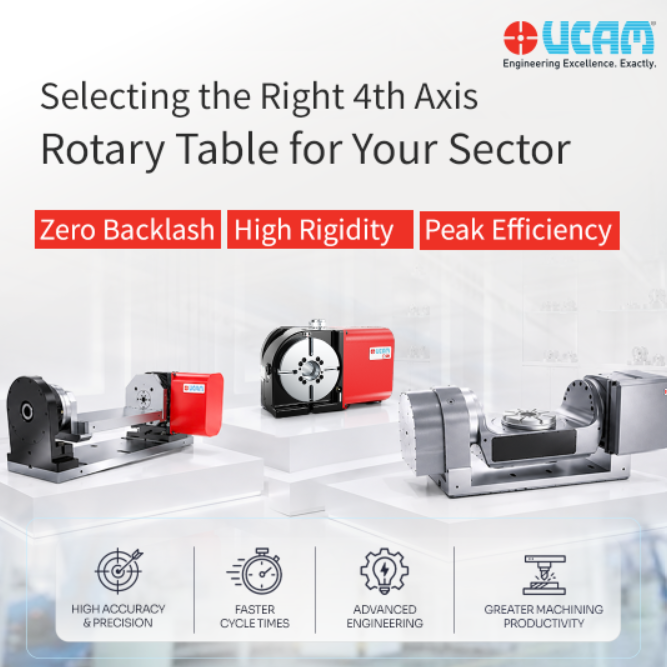
Enabling 4th Axis Machining: Precision with Efficiency
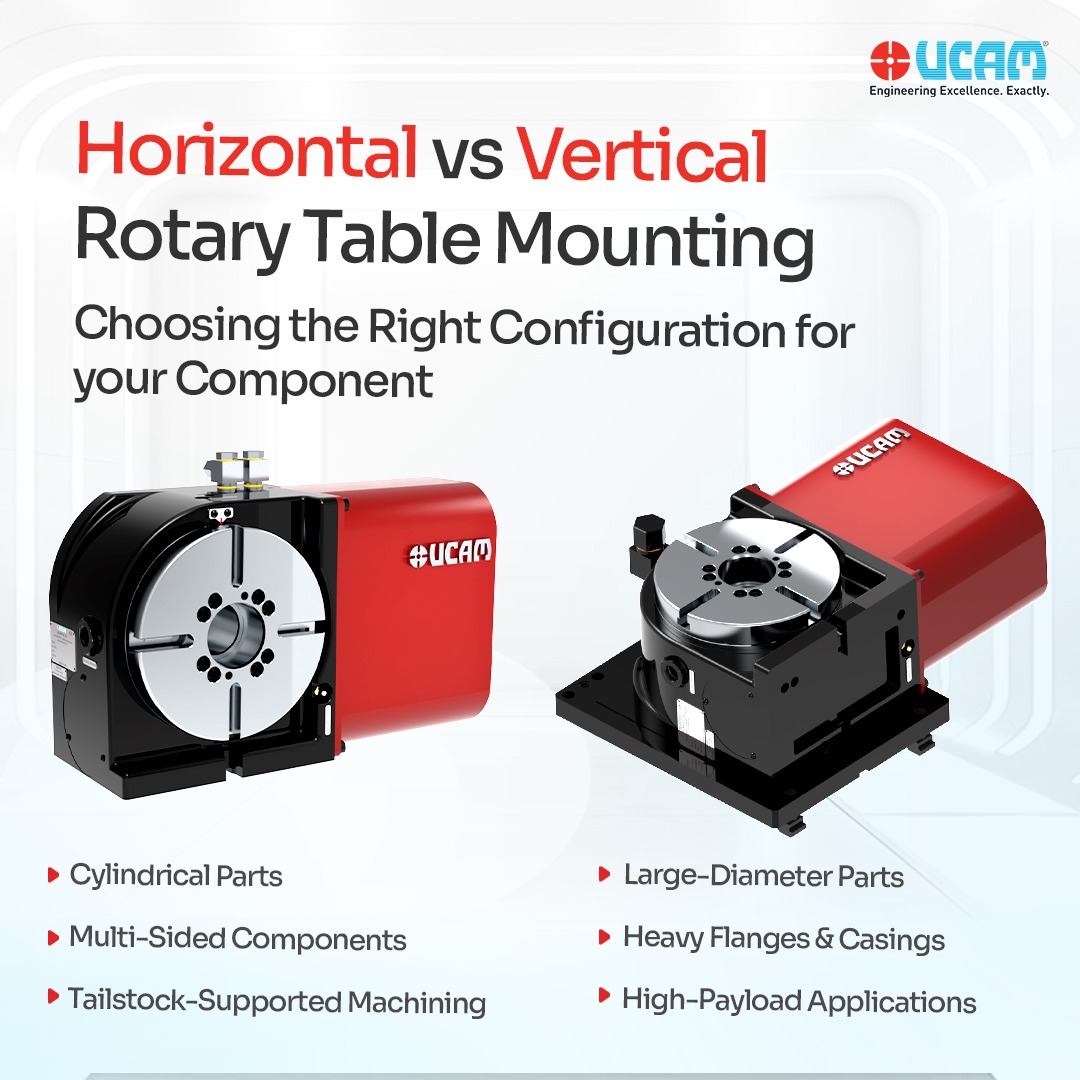
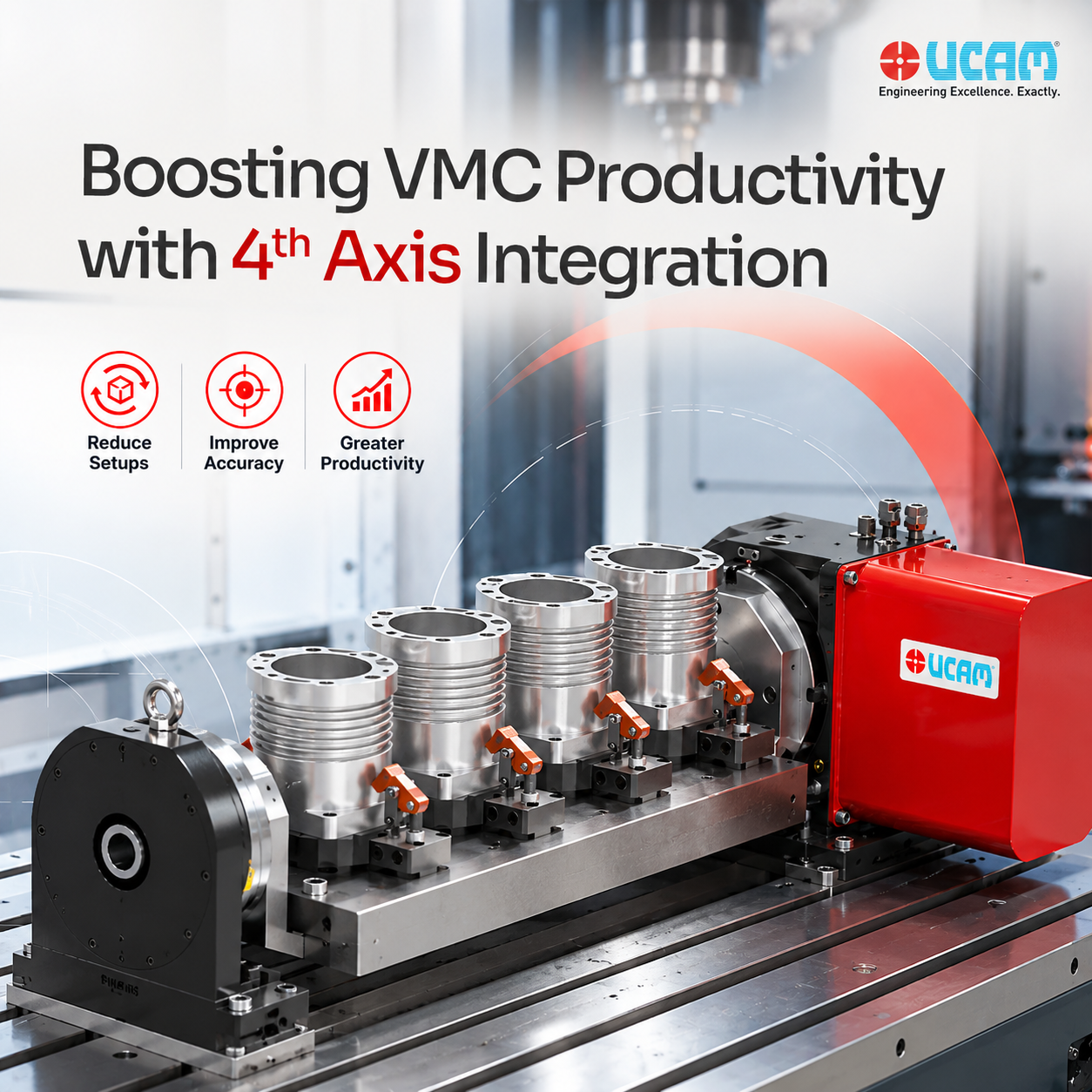
In 4th axis machining, the rotary table indexes the component to predefined positions, allowing cutting operations on different sides without manual repositioning.
Key advantages include:
- Reduced setup time and fixture changes
- Improved positional accuracy and repeatability
- Higher throughput with minimal operator intervention
This is particularly valuable for components requiring multi-face machining, such as housings, flanges, and prismatic parts.
Powering 5-Axis Machining: Complexity Made Practical
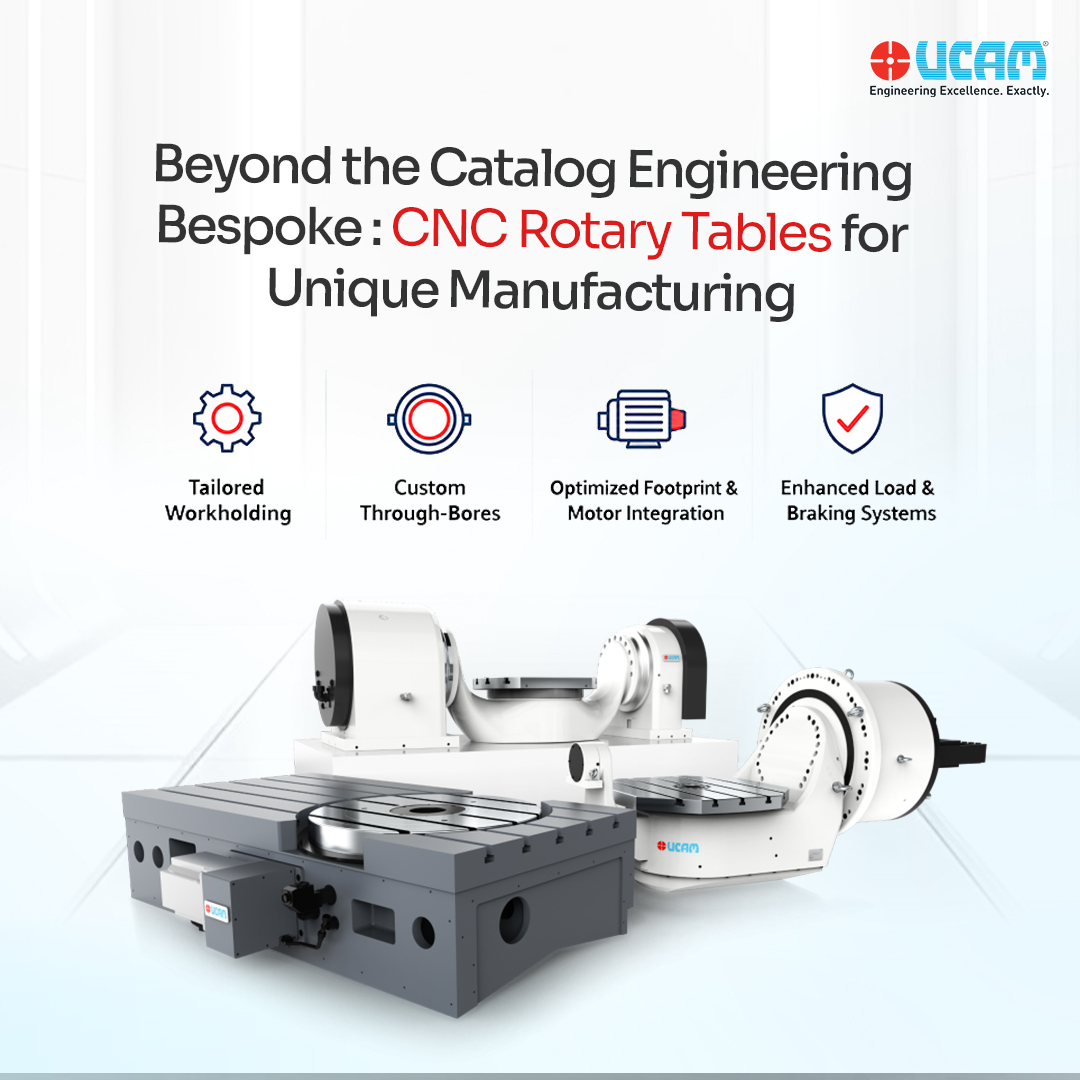
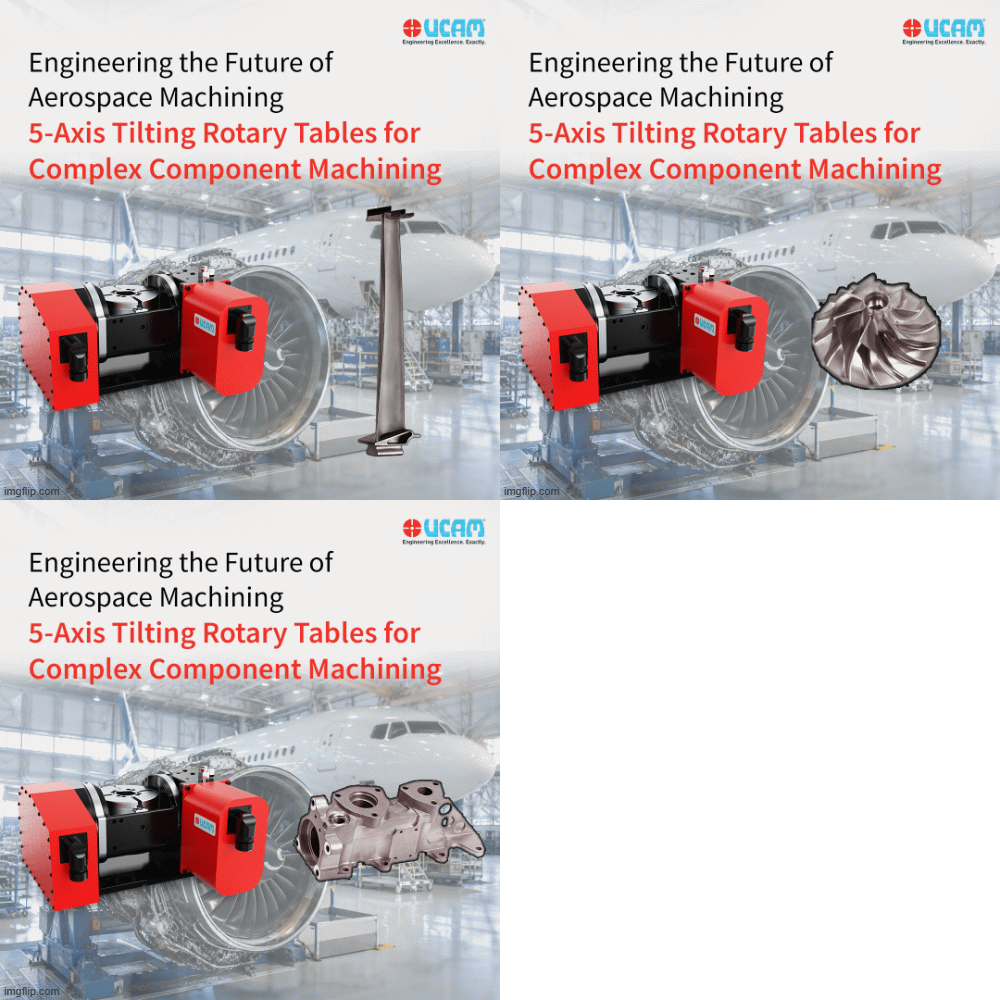
As product designs become more sophisticated, the limitations of 3-axis and 4-axis machining become evident. This is where CNC rotary tables—especially Tilting Rotary Tables — play a vital role.
By enabling rotation and tilt, they allow:
- Machining of complex contours and freeform surfaces
- Better tool access to hard-to-reach areas
- Reduced need for special fixtures
The result is faster production of high-precision components with improved surface finish—critical for industries like aerospace, medical, and die & mold.
Applications Across Industries
The versatility of CNC rotary tables makes them essential across multiple sectors:
Aerospace
- Complex structural parts
- Turbine and blade machining
- High-precision multi-axis components
Automotive
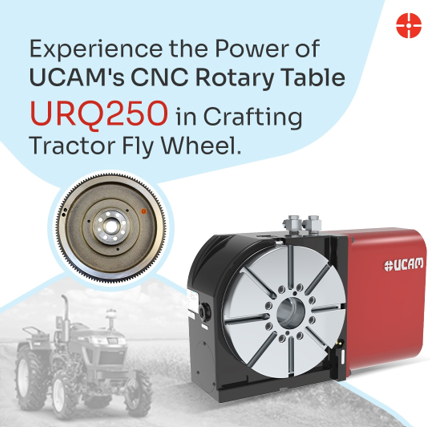
- Engine and transmission components
- Gear housings and rotary parts and may other parts
Medical Manufacturing
- Orthopedic implants
- Surgical instruments requiring micro-level precision
General Engineering
- Valves, pumps, and tooling components
- Precision parts with multi-face machining requirements
And many other industries like Agriculture, Mining, Oil and Gas, Cutting Tools, Power generation, Pump and Valve, Die and Mould and for sunrise sectors like EV, semiconductors.
Conclusion
CNC rotary tables are foundational to modern machining, enabling efficient 4th and 5-axis operations to achieve higher precision, reduced cycle times, and complex designs.
For businesses looking to enhance productivity and stay ahead in a competitive market, investing in the right CNC rotary table is not just an upgrade—it’s a strategic move toward future-ready manufacturing.
FAQs
How does a CNC Rotary Table enable 4th-axis machining?
It adds a rotational axis to a standard machine, indexing the component to predefined positions. This allows the cutting tool to machine multiple faces in a single setup, drastically reducing fixture changes and improving positional accuracy.
What is the advantage of a 5-axis Rotary Table?
A tilting 5-axis Rotary Table enables both rotation and tilt. This allows for the machining of complex contours and freeform surfaces, providing better tool access to hard-to-reach areas without requiring special manual fixtures.
Can a CNC Rotary Table improve manufacturing automation?
Yes. CNC Rotary Tables seamlessly integrate with Industry 4.0 automated systems, including robotic loaders and pallet changers. This minimizes manual operator intervention and is critical for building flexible, lights-out manufacturing environments.



 ucam_marketing